My husband took one bite of this bratwurst and sauerkraut skillet, stopped chewing, and just stared at the pan for a second. Honestly, I thought something was wrong. He’s not the type to get dramatic over dinner, especially on a random Tuesday night when I was just trying to use up the brats lingering in the fridge. But he looked at me and said, “This is the best thing you’ve made in months.” Which, okay, was a little backhanded, but I took the win.
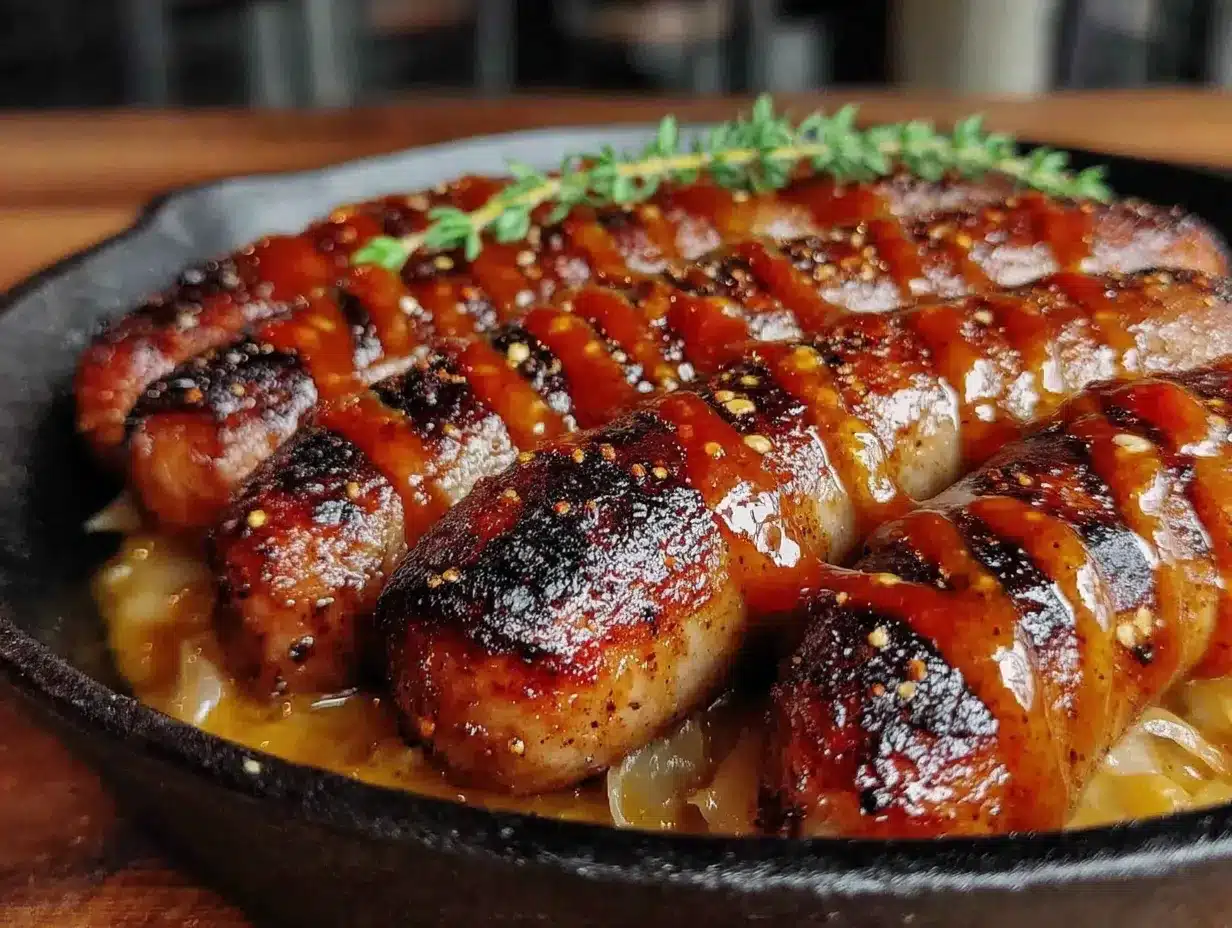
That’s the thing about this savory bratwurst and sauerkraut skillet with mustard glaze. It doesn’t look fancy. It’s one pan, a handful of ingredients, and about thirty minutes of your time. But the way the caramelized bratwurst mingles with the tangy sauerkraut and that sticky, slightly sharp mustard glaze? It’s the kind of comfort food that makes you forget you were tired. I wasn’t trying to reinvent the wheel here. I just wanted a dinner that felt hearty without a sink full of dishes.
And you know what? It worked. This recipe has become our go-to for those nights when we need something filling, fast, and genuinely satisfying. It’s proof that you don’t need a long ingredient list or complicated steps to make something that tastes like it simmered all day. Sometimes the best meals come from a little fridge foraging and a whole lot of mustard.
Why You’ll Love This Recipe
I’ve tested this savory bratwurst and sauerkraut skillet more times than I care to admit. I burned the first batch of brats, oversalted the second, and let the glaze get too thick on the third. But by the fourth try, I had it dialed in. Here’s why this version is the one you’ll come back to.
- Quick & Easy : From fridge to table in under 30 minutes. No marinating, no complicated steps, just straightforward cooking that works on a busy weeknight.
- Simple Ingredients : You probably already have bratwurst, sauerkraut, and mustard in your kitchen. If not, they’re easy to find at any grocery store. No fancy trips required.
- Perfect for Cozy Nights : This skillet is hearty enough for a cold evening but light enough to enjoy year-round. It’s especially great when you want something warm and tangy without feeling weighed down.
- Crowd-Pleaser : I’ve served this to friends who swore they didn’t like sauerkraut, and they went back for seconds. The mustard glaze balances the tanginess perfectly.
- Unbelievably Delicious : The combination of caramelized bratwurst, tender sauerkraut, and that glossy mustard glaze is pure comfort. It’s the kind of meal that makes you close your eyes after the first bite.
What makes this recipe different from the rest? It’s the glaze, honestly. Most skillet recipes just toss everything together and hope for the best. But taking the extra two minutes to whisk up a simple mustard glaze transforms the whole dish. It coats every piece of bratwurst and every strand of sauerkraut in a layer of savory-sweet goodness that ties everything together. This isn’t just another sausage and kraut recipe—it’s the best version I’ve ever made.
What Ingredients You Will Need
This recipe uses simple, wholesome ingredients that come together to create something truly satisfying. Most of these are pantry staples or easy to find at your local market. Here’s what you’ll need.
For the Skillet
- 4 bratwurst sausages (about 1 pound), sliced into 1-inch rounds (I prefer Johnsonville or a local butcher brand for the best flavor)
- 1 tablespoon olive oil (or avocado oil, for searing)
- 1 medium yellow onion, thinly sliced
- 2 cloves garlic, minced
- 1 can (14 ounces) sauerkraut, drained but not rinsed (look for Bavarian-style for a milder flavor)
- 1/2 cup chicken broth (low-sodium preferred)
- 1 teaspoon caraway seeds (optional, but highly recommended for that classic flavor)
- 1/4 teaspoon black pepper
- Pinch of salt (go easy, since sauerkraut is already salty)
For the Mustard Glaze
- 3 tablespoons whole-grain mustard (I like Maille or Grey Poupon for texture)
- 1 tablespoon Dijon mustard
- 1 tablespoon honey (or maple syrup, for a slightly different sweetness)
- 1 tablespoon apple cider vinegar
Ingredient Tips and Substitutions
If you can’t find bratwurst, Italian sausage or kielbasa work beautifully here. Just adjust the cooking time slightly since kielbasa is typically pre-cooked. For the sauerkraut, look for refrigerated bags over canned if you can—they tend to have a crisper texture and brighter flavor. If you’re avoiding gluten, check your bratwurst labels, as some brands use breadcrumbs as a binder. Most are naturally gluten-free, but it’s worth a quick look.
The mustard glaze is pretty flexible, too. If you only have yellow mustard, it’ll work in a pinch, but you’ll miss that lovely whole-grain texture. And if you’re watching your sugar intake, you can skip the honey entirely—the glaze will still be tangy and delicious.
Equipment Needed
You don’t need a lot of fancy tools for this one, which is part of its charm. Here’s what I use every time.
- A large skillet (12-inch cast iron or non-stick works best—cast iron gives you a better sear on the bratwurst)
- A sharp chef’s knife for slicing the bratwurst and onion
- A cutting board
- A wooden spoon or spatula for stirring
- A small bowl for whisking the glaze together
- A whisk or fork
- Measuring spoons
If you don’t have a cast iron skillet, don’t worry. A good non-stick pan will work just fine. You might not get quite as deep of a sear on the bratwurst, but the flavor will still be excellent. And honestly, I’ve made this in a stainless steel pan before and it turned out great—just make sure to use enough oil to prevent sticking.
One tip: if you’re using a non-stick skillet, avoid using metal utensils to protect the coating. A wooden spoon or silicone spatula is your friend here.
Preparation Method
Let’s get cooking. This savory bratwurst and sauerkraut skillet comes together fast, so I like to have everything prepped before I turn on the heat. Here’s the step-by-step.
- Prep your ingredients. Slice the bratwurst into 1-inch rounds. Thinly slice the onion. Mince the garlic. Drain the sauerkraut but don’t rinse it—you want some of that tangy brine to stay. Set everything within arm’s reach.
- Make the mustard glaze. In a small bowl, whisk together the whole-grain mustard, Dijon mustard, honey, and apple cider vinegar. Set it aside. The glaze will look a little thin now, but it will thicken beautifully as it cooks.
- Sear the bratwurst. Heat your large skillet over medium-high heat and add the olive oil. Once the oil shimmers, add the sliced bratwurst in a single layer. Let them cook undisturbed for 3-4 minutes, until the bottoms are deeply browned. Flip and cook another 2-3 minutes. You’re not cooking them through completely here—just building that beautiful crust. Transfer the bratwurst to a plate and set aside.
- Cook the onions. Reduce the heat to medium. Add the sliced onions to the same skillet (don’t wipe it out—those browned bits are flavor gold). Cook, stirring occasionally, for 5-6 minutes, until the onions are soft and starting to caramelize. If the pan looks dry, add a splash of chicken broth.
- Add the garlic and caraway. Stir in the minced garlic and caraway seeds (if using). Cook for about 30 seconds, until the garlic is fragrant. Be careful not to burn it.
- Add the sauerkraut and broth. Add the drained sauerkraut and chicken broth to the skillet. Stir everything together, scraping up any browned bits from the bottom of the pan. Let it simmer for 3-4 minutes, until the liquid reduces slightly.
- Return the bratwurst to the pan. Nestle the seared bratwurst pieces back into the sauerkraut mixture. Pour the mustard glaze over everything. Stir gently to coat the bratwurst and sauerkraut in that glossy sauce.
- Finish cooking. Let everything simmer together for 5-7 minutes, stirring occasionally, until the bratwurst is cooked through and the glaze has thickened into a sticky, savory coating. The sauerkraut should look glossy and the bratwurst should be glistening.
- Serve immediately. Spoon the skillet contents onto plates or into bowls. Garnish with fresh parsley or chives if you’re feeling fancy. Serve hot.
Sensory cues to watch for: When you sear the bratwurst, listen for that satisfying sizzle. The onions should smell sweet and slightly caramelized after a few minutes. The sauerkraut will release a tangy, earthy aroma as it heats. And when you add the glaze, the whole kitchen will smell like a German beer hall in the best way possible.
My personal tip: Don’t rush the searing step. That deep brown crust on the bratwurst is where so much flavor lives. I once tried to save time by just tossing the raw brats into the pan with everything else, and the texture was sad—pale and soft. Take the extra five minutes. You won’t regret it.
Cooking Tips & Techniques
I’ve made this savory bratwurst and sauerkraut skillet probably twenty times by now, and I’ve learned a few things the hard way. Here’s what I wish someone had told me.
Don’t overcrowd the pan. When you’re searing the bratwurst, give each piece some space. If you pile them in, they’ll steam instead of sear, and you’ll miss out on that gorgeous crust. Cook in batches if you need to. It’s worth the extra minute.
Watch your salt. Sauerkraut is already salty, and bratwurst can be too. I usually skip adding extra salt until the very end, and even then, I taste first. You can always add salt, but you can’t take it away.
Deglaze properly. When you add the chicken broth, scrape up all those browned bits from the bottom of the pan. That’s called deglazing, and it’s where so much flavor lives. Don’t skip it.
Let the glaze reduce. The mixture might look a little soupy at first, but trust the process. Let it simmer uncovered for a few minutes, and the liquid will reduce into a sticky, glossy glaze that clings to every piece of bratwurst and sauerkraut.
My biggest failure: The first time I made this, I used too much mustard in the glaze. I thought “more is better,” but it ended up overpowering everything. Balance is key. The recipe as written gives you that perfect tangy-sweet-savory harmony. Stick with it.
Variations & Adaptations
One of the best things about this recipe is how flexible it is. Here are some variations I’ve tried and loved.
Dietary Adaptations: For a lower-carb version, skip the honey in the glaze and use a sugar-free maple syrup or a pinch of stevia instead. The dish is naturally gluten-free if you choose gluten-free bratwurst. For a dairy-free option, this recipe is already dairy-free as written—just double-check your bratwurst ingredients.
Seasonal Twist: In the fall, I love adding a diced apple to the skillet along with the onions. The sweetness of the apple pairs beautifully with the tangy sauerkraut and mustard glaze. It’s a cozy, harvest-inspired variation that feels perfect for cooler weather. If you like that kind of flavor profile, you might also enjoy my cozy apple cider braised pork chops—they have a similar sweet-savory vibe.
Spicy Version: Add a pinch of red pepper flakes or use spicy bratwurst for a kick. I’ve also stirred in a teaspoon of sriracha to the glaze for extra heat. It’s not traditional, but it’s delicious.
Different Proteins: Swap the bratwurst for smoked kielbasa, Italian sausage, or even chicken sausage. Each one brings a different flavor, but the recipe works beautifully with all of them.
Personal Variation: My favorite twist is adding a handful of thinly sliced bell peppers along with the onions. The peppers add color, sweetness, and a little crunch. It makes the skillet feel even more like a complete meal.
Serving & Storage Suggestions
This savory bratwurst and sauerkraut skillet is best served hot, straight from the pan. I like to spoon it into shallow bowls and let the glaze pool a little at the bottom.
What to serve with it: A side of crusty bread or soft pretzels is perfect for soaking up any extra glaze. Mashed potatoes or egg noodles also work beautifully. For a lighter option, serve it over a bed of sautéed greens or alongside a simple green salad. If you’re in the mood for something hearty and warm, this dish pairs wonderfully with a bowl of cozy crockpot fall harvest chicken stew for a full comfort-food spread.
Beverage pairings: A cold beer—lager, pilsner, or a dark ale—is the classic choice. For wine drinkers, a crisp Riesling or a dry Gewürztraminer cuts through the richness beautifully.
Storage: Leftovers keep well in an airtight container in the refrigerator for up to 4 days. The flavors actually meld together overnight, so it tastes even better the next day.
Reheating: Reheat in a skillet over medium heat with a splash of broth or water to loosen the glaze. Microwave works in a pinch, but the stovetop gives you better texture. The bratwurst stays juicy, and the sauerkraut doesn’t get mushy.
Freezing: This skillet freezes well for up to 3 months. Let it cool completely, then transfer to a freezer-safe container. Thaw overnight in the refrigerator and reheat as directed. The glaze might separate slightly, but a good stir brings it back together.
Nutritional Information & Benefits
Here’s an approximate nutritional breakdown per serving (based on 4 servings):
- Calories: 420
- Protein: 22g
- Fat: 28g
- Carbohydrates: 18g
- Fiber: 4g
- Sugar: 10g
- Sodium: 980mg
Health benefits: Sauerkraut is a fermented food, which means it’s packed with probiotics that support gut health. It’s also rich in vitamin C and fiber. Bratwurst provides protein and B vitamins, especially B12. The mustard seeds in the glaze contain antioxidants and anti-inflammatory compounds. This isn’t a health food, per se, but it’s a balanced meal with real nutritional value.
Dietary considerations: This recipe is naturally dairy-free and can be made gluten-free with the right bratwurst. It’s also relatively low in carbs compared to many comfort-food dinners. If you’re watching your sodium, look for low-sodium sauerkraut and broth, and go easy on the added salt.
Conclusion
This savory bratwurst and sauerkraut skillet with mustard glaze is the kind of recipe that proves you don’t need a lot to make something memorable. It’s quick, it’s forgiving, and it delivers big flavor with minimal effort. Whether you’re feeding a family on a busy weeknight or just want a cozy dinner for yourself, this one-pan meal delivers every time.
I love that I can make this on a whim, with ingredients I usually have on hand, and it never fails to satisfy. The tangy sauerkraut, the juicy bratwurst, that glossy mustard glaze—it’s comfort food at its best. And honestly, the fact that it comes together in thirty minutes? That’s just the cherry on top.
I’d love to hear how this turns out for you. Did you try any variations? Serve it with something unexpected? Drop a comment below and let me know. And if you’re looking for another quick, satisfying dinner, you might enjoy my cozy one-pot fall chicken and wild rice dinner—it’s another weeknight hero in my kitchen.
Happy cooking, friends!
Frequently Asked Questions
Can I use fresh bratwurst instead of pre-cooked?
Absolutely. Fresh bratwurst works perfectly here. Just make sure to cook them through completely during the searing step. You can also parboil them in beer or water for 10 minutes before slicing, which ensures they’re fully cooked and extra juicy.
Can I make this in a slow cooker?
You can, but the texture will be different. Sear the bratwurst and onions in a skillet first, then transfer everything to a slow cooker with the sauerkraut, broth, and glaze. Cook on low for 4-6 hours. The bratwurst will be very tender, but you’ll lose some of that crispy edge.
How do I keep the sauerkraut from being too sour?
If you’re sensitive to sourness, rinse the sauerkraut briefly under cold water before draining. This removes some of the brine and mellows the flavor. You can also add a pinch of sugar to balance the acidity.
Can I double this recipe?
Yes, but use a larger skillet or cook in batches. Overcrowding the pan will steam everything instead of searing it. If you’re doubling, I recommend using two skillets or cooking the bratwurst in batches.
What’s the best way to reheat leftovers?
Stovetop is best. Add a splash of broth or water to a skillet, heat over medium, and stir until warmed through. The microwave works in a pinch, but the bratwurst can get rubbery. Leftovers keep for up to 4 days in the fridge.
Pin This Recipe!

Savory Bratwurst & Sauerkraut Skillet: Easy 30-Minute Dinner

This savory bratwurst and sauerkraut skillet with mustard glaze is a quick, one-pan dinner that delivers big flavor with minimal effort. Caramelized bratwurst, tangy sauerkraut, and a sticky, slightly sharp mustard glaze come together in under 30 minutes for a hearty and satisfying meal.
- Prep Time: 10 minutes
- Cook Time: 20 minutes
- Total Time: 30 minutes
- Yield: 4 servings 1x
- Category: Main Course
- Cuisine: German
Ingredients
- 4 bratwurst sausages (about 1 pound), sliced into 1-inch rounds
- 1 tablespoon olive oil
- 1 medium yellow onion, thinly sliced
- 2 cloves garlic, minced
- 1 can (14 ounces) sauerkraut, drained but not rinsed
- 1/2 cup chicken broth (low-sodium preferred)
- 1 teaspoon caraway seeds (optional)
- 1/4 teaspoon black pepper
- Pinch of salt
- 3 tablespoons whole-grain mustard
- 1 tablespoon Dijon mustard
- 1 tablespoon honey
- 1 tablespoon apple cider vinegar
Instructions
- Prep your ingredients. Slice the bratwurst into 1-inch rounds. Thinly slice the onion. Mince the garlic. Drain the sauerkraut but don’t rinse it.
- Make the mustard glaze. In a small bowl, whisk together the whole-grain mustard, Dijon mustard, honey, and apple cider vinegar. Set aside.
- Sear the bratwurst. Heat a large skillet over medium-high heat and add the olive oil. Once the oil shimmers, add the sliced bratwurst in a single layer. Cook undisturbed for 3-4 minutes until deeply browned, then flip and cook another 2-3 minutes. Transfer to a plate and set aside.
- Cook the onions. Reduce heat to medium. Add the sliced onions to the same skillet. Cook, stirring occasionally, for 5-6 minutes until soft and starting to caramelize. Add a splash of chicken broth if the pan looks dry.
- Add the garlic and caraway. Stir in the minced garlic and caraway seeds (if using). Cook for about 30 seconds until fragrant.
- Add the sauerkraut and broth. Add the drained sauerkraut and chicken broth to the skillet. Stir, scraping up any browned bits from the bottom. Let simmer for 3-4 minutes until the liquid reduces slightly.
- Return the bratwurst to the pan. Nestle the seared bratwurst pieces back into the sauerkraut mixture. Pour the mustard glaze over everything. Stir gently to coat.
- Finish cooking. Let everything simmer together for 5-7 minutes, stirring occasionally, until the bratwurst is cooked through and the glaze has thickened into a sticky coating.
- Serve immediately. Spoon onto plates or into bowls. Garnish with fresh parsley or chives if desired.
Notes
Don’t rush the searing step for the best flavor. Watch your salt, as sauerkraut and bratwurst are already salty. Let the glaze reduce to a sticky consistency. For a milder sauerkraut flavor, rinse briefly before draining.
Nutrition
- Serving Size: 1 serving (about 1/4
- Calories: 420
- Sugar: 10
- Sodium: 980
- Fat: 28
- Saturated Fat: 10
- Carbohydrates: 18
- Fiber: 4
- Protein: 22
Keywords: bratwurst, sauerkraut, skillet, one-pan dinner, quick dinner, 30-minute meal, German recipe, comfort food