Late September, and the only thing I want is a pot of figs bubbling on the stove. The farmers market had those last baskets of Black Mission figs this morning, all soft and purple-black, practically begging to be turned into something that lasts. I bought more than I should have, as usual, and now the kitchen smells like a cross between a bakery and a vineyard. There is a particular kind of peace that comes from standing over a simmering pot, watching fruit break down into something jewel-like. It is not about preserving a season, really, it is about slowing down long enough to let a single ingredient tell you what it wants to become. This perfect small-batch fig jam with vanilla bean is that story. It is not complicated, but it is honest. The figs do all the work. The vanilla just whispers along.
I have made a lot of jam over the years—strawberry, peach, even a questionable batch of mint jelly that my neighbor politely accepted and never mentioned again. But fig jam is different. It feels less like a project and more like a quiet ritual. The sugar is minimal, just enough to coax out the natural sweetness. The vanilla bean adds this floral warmth that makes you pause mid-bite. I will be honest with you: I have burned a batch before. Got distracted by a phone call, came back to a pot of what looked like fig lava. That is why this recipe is small-batch. Less risk, more reward, and you can finish it before it ever has a chance to go bad. This is the kind of recipe you keep in your back pocket for when you want to feel like you accomplished something beautiful before breakfast.
Why You’ll Love This Recipe
This isn’t just another jam recipe. It is the one I tested four times to get the balance exactly right—not too sweet, not too runny, with that vanilla flavor woven through every spoonful. I have brought jars of this to brunch, tucked them into gift baskets, and eaten it straight from the jar with a spoon when I thought nobody was watching. Here is why it works:
- Small-Batch, Zero Waste : Makes just about two cups, perfect for using up a pound of figs without committing to a canning marathon.
- Simple Ingredients : Figs, sugar, lemon, vanilla bean, and a pinch of salt. That is it. No pectin, no weird additives.
- Beginner-Friendly : If you can stir a pot, you can make this. No water bath canning required if you plan to eat it within a few weeks.
- Incredibly Versatile : Spoon it over yogurt, slather it on toast, swirl it into overnight oats, or pair it with creamy BLT pasta salad for a sweet-savory surprise.
- Gift-Ready : Tie a ribbon around a jar and you have the most thoughtful homemade gift, no baking required.
Honestly, the first time I made this, I stood over the cooling pot and ate almost a quarter of it with a cracker before I even put it in a jar. It is that good. The vanilla bean really does make a difference—skip the extract, trust me on this one. The tiny specks of vanilla throughout the jam are not just pretty, they add a depth that extract just cannot replicate. This is the kind of recipe that makes you look like you spent hours in the kitchen when really, it was just you and a pot and a quiet afternoon.
What Ingredients You Will Need
This recipe uses simple, wholesome ingredients to deliver a jam that tastes like it came from a fancy farmers market stall. The magic is in the quality of what you start with, so choose your figs carefully.
- 1 pound fresh Black Mission figs (about 10-12 figs, stems removed and quartered) — Look for figs that are soft to the touch but not mushy. If they are slightly underripe, that is okay; they will cook down nicely. I personally prefer Black Mission for their deep sweetness, but any dark fig variety works.
- 3/4 cup granulated sugar (150 grams) — This is less than many jam recipes call for. The figs bring their own sweetness, so you do not need to overwhelm them. Organic cane sugar works beautifully here.
- 1 vanilla bean — This is non-negotiable for the best flavor. You will split it lengthwise and scrape the seeds into the pot. The pod goes in too, infusing the jam with that warm, floral vanilla depth. I buy vanilla beans in bulk online and keep them in a sealed jar; they last for months.
- 2 tablespoons fresh lemon juice (about half a lemon) — Fresh is important here. Bottled lemon juice has a flat, metallic taste that can dull the brightness of the figs. The acidity balances the sweetness and helps the jam set.
- Pinch of fine sea salt — Just a small pinch, about 1/16 teaspoon. It rounds out the flavors and keeps the jam from tasting one-dimensional.
That is everything. Seriously. No pectin, no commercial fruit pectin, no lemon zest unless you want to add it. I have made this with brown sugar once, and it was good, but it masked the fig flavor a bit. Stick with white sugar for the cleanest taste. If you are out of fresh figs, frozen figs can work in a pinch—just thaw them first and drain off any excess liquid. The texture will be slightly softer, but the flavor is still lovely.
Equipment Needed
You do not need a fancy kitchen setup for this recipe. Here is what I use every time:
- Medium heavy-bottomed saucepan (2-3 quart) — A heavy pot distributes heat evenly and prevents scorching. I use a stainless steel saucier, but a Dutch oven works too.
- Wooden spoon or silicone spatula — Something sturdy for stirring. Metal can react with the acidity of the lemon and figs.
- Sharp knife and cutting board — For trimming and quartering the figs.
- Small bowl — To hold the vanilla bean seeds and pod after scraping.
- Jar with a tight-fitting lid (16-ounce capacity) — A Weck jar or a repurposed jam jar works perfectly. Wash it in hot soapy water and dry it thoroughly.
- Small funnel (optional but helpful) — Makes pouring the hot jam into the jar much less messy.
- Tongs — For handling the hot jar if you are filling it while the jam is still bubbling.
If you do not have a heavy-bottomed saucepan, just keep a closer eye on the heat and stir more frequently. I have made this in a nonstick skillet before, and it worked fine, though the jam cooked faster and needed constant attention. Budget-friendly options are totally fine here—the recipe is forgiving.
Preparation Method
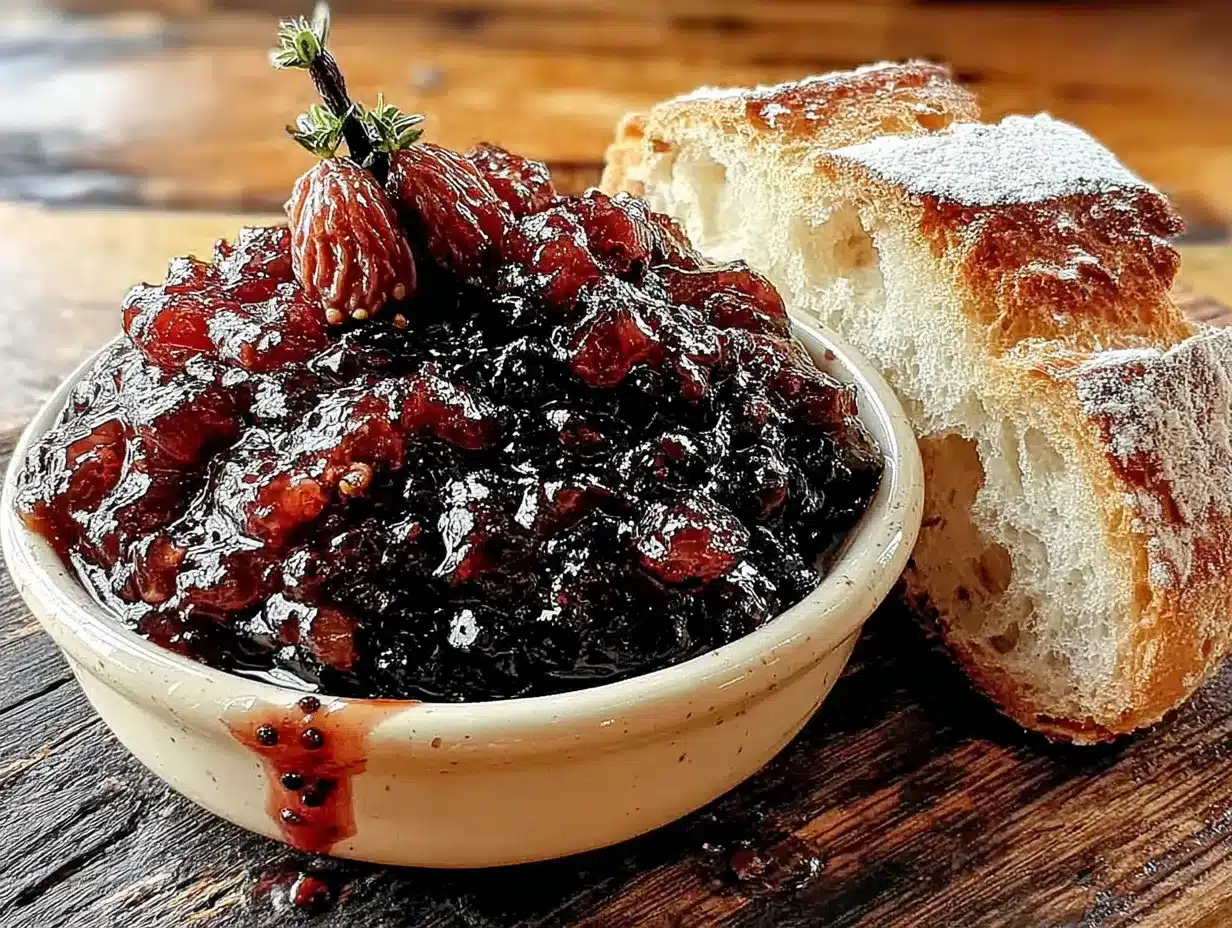
This process takes about 40 minutes from start to finish, most of which is hands-off simmering. Here is how to do it:
- Prep the figs. Rinse the figs gently under cool water and pat them dry. Trim off the hard stem ends with a sharp knife. Quarter each fig lengthwise—they should be bite-sized pieces. If you have very large figs, cut them into sixths. Place them in your saucepan.
- Scrape the vanilla bean. Lay the vanilla bean flat on your cutting board. Use a paring knife to split it lengthwise from top to bottom, keeping one side intact. Open the pod like a book and use the back of the knife to scrape out the tiny black seeds. Add the seeds and the empty pod to the saucepan with the figs. Do not throw the pod away—it will infuse the jam with flavor as it cooks.
- Add sugar, lemon juice, and salt. Sprinkle the sugar over the figs, then add the lemon juice and salt. Stir everything together gently with your wooden spoon. Let it sit for about 10 minutes. This maceration step draws out the figs’ natural juices and helps the sugar dissolve. You will see a syrupy liquid forming at the bottom of the pot.
- Start cooking. Place the saucepan over medium heat. Stir occasionally as the mixture comes to a gentle boil. The figs will release more liquid, and the sugar will fully dissolve. Once it is bubbling steadily, reduce the heat to medium-low. You want a gentle, steady simmer—not a violent boil. Set a timer for 25 minutes.
- Simmer and stir. Stir the jam every 5 minutes or so, scraping the bottom and sides of the pot to prevent sticking. As it cooks, the figs will soften and break down. Some chunks will remain, which is exactly what you want. The liquid will thicken and turn a deep garnet color. Around the 20-minute mark, start checking the consistency.
- Test for doneness. Place a small plate in the freezer before you start cooking. To test, drop a small spoonful of jam onto the cold plate. Let it sit for 30 seconds, then push it with your finger. If it wrinkles and holds its shape, it is done. If it runs like thin syrup, cook for another 3-5 minutes and test again. Be careful not to overcook—the jam will thicken more as it cools.
- Remove the vanilla pod. Use tongs to fish out the vanilla bean pod. Rinse it off, let it dry, and you can bury it in a jar of sugar to make vanilla sugar later. Do not waste it!
- Cool and jar. Let the jam cool in the pot for about 5 minutes. It will look slightly looser than you expect, but that is fine. Transfer it to your clean jar using the funnel. Let it cool completely at room temperature before putting the lid on. Then refrigerate.
One note: if you want a smoother jam, you can use an immersion blender for a few pulses before jarring. I prefer a chunky texture, so I leave it as is. The first time I made this, I blended it too much and ended up with fig paste. Still delicious, but not the same experience.
Cooking Tips & Techniques
I have made this jam enough times to know exactly where things can go sideways. Here is what I have learned, sometimes the hard way:
- Do not walk away. I know I said this is low-maintenance, but jam can go from perfect to scorched in about 90 seconds. Stay within earshot and check it regularly. That one time I burned a batch, I was folding laundry. Not worth it.
- Trust the cold plate test. Visual cues are tricky with dark jam. The cold plate test never lies. If you do not have a plate, dip a spoon in the jam and tilt it. If the jam coats the spoon and moves slowly, it is close. But the plate method is more reliable.
- Use a wide pot if you can. A wider surface area means faster evaporation and a thicker jam in less time. If your pot is narrow and deep, the jam will take longer to reduce. Adjust your simmer time accordingly.
- Skim off foam if you want. As the jam simmers, a foamy scum may rise to the surface. You can skim it off with a spoon for a clearer, more polished jam. I usually leave it because I am lazy and it tastes fine, but if you are gifting it, skim it.
- Let it rest before jarring. That 5-minute cool-down in the pot is important. If you pour boiling jam into a cold jar, the jar can crack. Let it settle a bit, then pour.
Honestly, the biggest tip I can give you is to taste the figs before you start. If they are bland, the jam will be bland. Good figs make great jam. Bad figs make sad jam. It is that simple.
Variations & Adaptations
This recipe is a great base for experimentation. Here are a few ways I have played with it:
- Spiced Fig Jam : Add 1/2 teaspoon of ground cinnamon, 1/4 teaspoon of ground cardamom, and a pinch of black pepper along with the sugar. The warm spices pair beautifully with the vanilla and figs. I made this version for Thanksgiving cheese boards, and it disappeared fast.
- Balsamic Fig Jam : Replace the lemon juice with 1 tablespoon of balsamic vinegar and 1 tablespoon of water. The balsamic adds a tangy, slightly savory depth that is incredible with roasted meats or flavorful grilled honey sriracha chicken skewers.
- Low-Sugar Version : Reduce the sugar to 1/2 cup. The jam will be looser and less shelf-stable, but it will still taste wonderful. Eat it within two weeks. You can add a tablespoon of chia seeds to help thicken it without sugar.
- Rosemary Fig Jam : Add two sprigs of fresh rosemary to the pot while the jam simmers. Remove them before jarring. The herbal note is unexpected and lovely. I served this with a soft goat cheese and crackers at a party, and people asked for the recipe all night.
- Vegan and Gluten-Free : This recipe is naturally both, as long as you serve it with appropriate accompaniments. Spread it on cozy sourdough pop tarts for a next-level breakfast.
If you want to use dried figs instead of fresh, rehydrate them in hot water for 20 minutes, drain them, and proceed with the recipe. The flavor will be more concentrated and the texture will be chewier. It is a different jam, but still good.
Serving & Storage Suggestions
This jam is happiest at room temperature, so let it sit out for about 15 minutes before serving if it has been in the fridge. Here is how I use it:
- On toast or biscuits : Slather it thickly over warm buttered toast, or spoon it onto fluffy strawberry shortcake biscuits for a seasonal twist.
- With cheese : Fig jam is a classic partner for soft goat cheese, sharp cheddar, or creamy brie. Add some walnuts and you have an instant appetizer.
- Over yogurt or oatmeal : Swirl a spoonful into Greek yogurt or warm oatmeal for a quick, elegant breakfast. I do this almost every morning in the fall.
- As a glaze : Thin it with a little warm water and brush it over roasted pork, chicken, or even crispy air fryer corn on the cob for a sweet-savory finish.
- In desserts : Use it as a filling for thumbprint cookies, layer it in a trifle, or swirl it into ice cream base before churning.
For storage, keep the jam in a sealed jar in the refrigerator for up to three weeks. Because this is a small-batch recipe with no added pectin and lower sugar, it is not shelf-stable at room temperature. If you want to can it for long-term storage, process the filled jars in a boiling water bath for 10 minutes. I have never done that with this recipe because I eat it too fast, but it works. The flavor actually deepens after a day or two in the fridge, so do not be discouraged if it tastes a little different right after cooking.
Nutritional Information & Benefits
This jam is a treat, but it also has some redeeming qualities. Figs are a good source of dietary fiber, potassium, and antioxidants. Vanilla bean contains small amounts of vanillin, which has been studied for its calming properties. Here is the estimated nutrition per 1-tablespoon serving:
- Calories : 45
- Carbohydrates : 11g
- Sugar : 10g
- Fiber : 1g
- Fat : 0g
- Sodium : 5mg
This recipe is naturally gluten-free, dairy-free, and vegan. The main allergen consideration is that it contains fruit and sugar, which most people tolerate well. If you are watching your sugar intake, use the low-sugar variation mentioned above, or simply use it sparingly. A little goes a long way. Honestly, I view this jam as a way to add joy to an otherwise plain meal, not as a health food. But knowing that it is made from whole ingredients with no preservatives makes me feel good about eating it.
Conclusion
This perfect small-batch fig jam with vanilla bean is more than a recipe. It is a way to capture a fleeting season and keep it on your shelf for a little while longer. The process is simple, the ingredients are few, and the result is genuinely special. I love that I can make it on a Tuesday afternoon and have something that feels like a gift by dinner time. Whether you spread it on toast, give it away in little jars, or eat it by the spoonful (no judgment here), I hope it brings you the same quiet satisfaction it brings me. If you make it, I would love to hear how it turns out. Leave a comment below, tag me in your photos, or tell me what you paired it with. And if you have a favorite variation, share that too. This recipe is meant to be played with. Happy cooking, friends.
Frequently Asked Questions
Can I use dried figs instead of fresh?
Yes, but you will need to rehydrate them first. Soak 1 cup of dried figs in hot water for 20-30 minutes until they are plump. Drain them well, then proceed with the recipe. The flavor will be more concentrated and the texture will be chewier. You may need to add an extra tablespoon of water during cooking to help them break down.
Do I need to use a vanilla bean, or can I use vanilla extract?
You can use vanilla extract in a pinch, but the flavor will not be the same. Vanilla bean adds tiny specks and a floral, aromatic depth that extract cannot replicate. If you must substitute, use 1 teaspoon of pure vanilla extract added after the jam is off the heat. Avoid imitation vanilla, which can taste artificial.
How do I know when the jam is done?
Use the cold plate test. Place a small plate in the freezer for 10 minutes. Drop a spoonful of jam onto the cold plate and let it sit for 30 seconds. Push it with your finger. If it wrinkles and holds its shape, it is done. If it runs like thin syrup, cook for a few more minutes and test again.
Can I double this recipe?
Absolutely. Double all the ingredients and use a larger pot. The cooking time will increase by about 10-15 minutes because there is more liquid to evaporate. Keep a close eye on it and use the cold plate test to determine doneness. A doubled batch makes about 4 cups of jam.
How long does this jam last in the fridge?
Stored in a sealed jar in the refrigerator, this jam will stay fresh for up to three weeks. Because it has less sugar than traditional jam and no added pectin, it is not shelf-stable at room temperature. If you want to keep it longer, process the filled jars in a boiling water bath for 10 minutes, then store in a cool, dark place for up to a year.
Pin This Recipe!
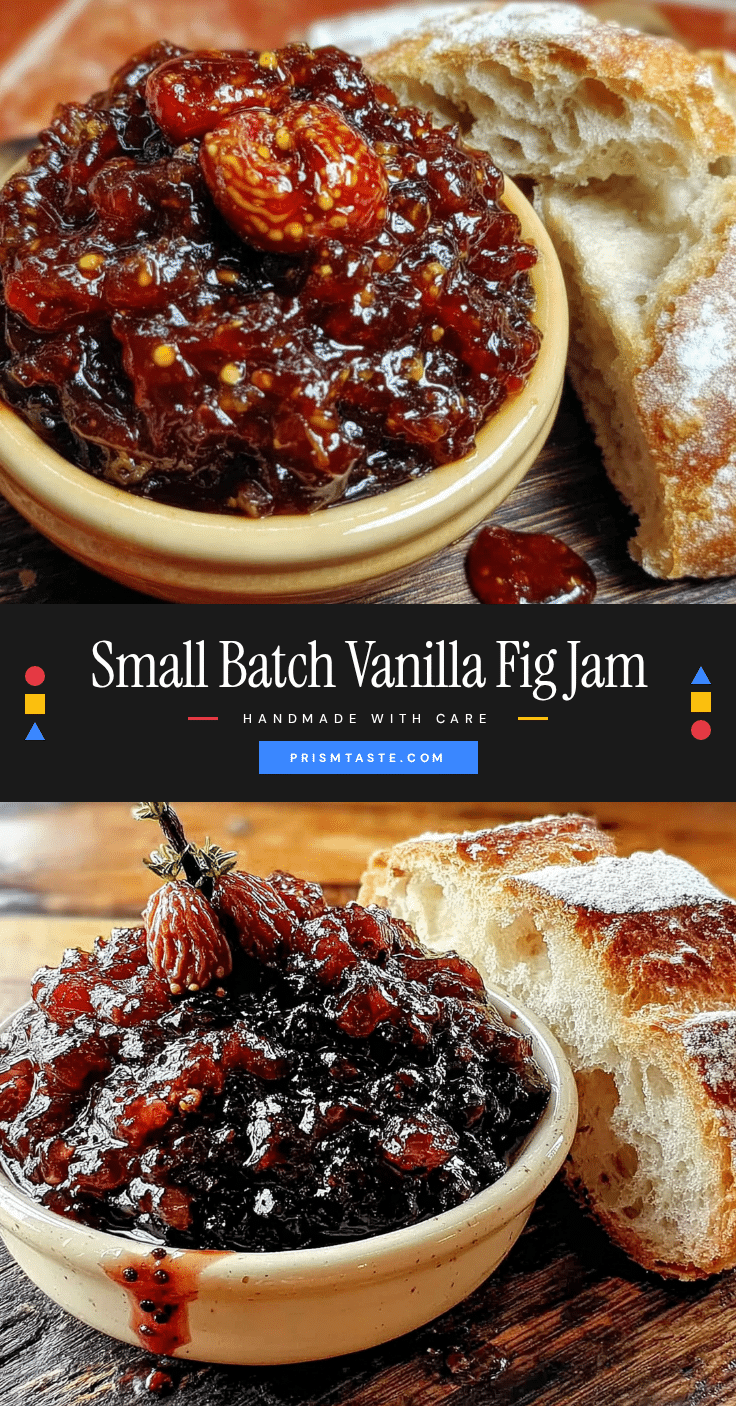
Perfect Small-Batch Fig Jam with Vanilla Bean
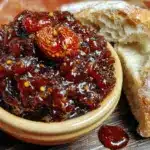
A simple, honest fig jam made with fresh Black Mission figs, minimal sugar, and a vanilla bean for floral warmth. This small-batch recipe is perfect for using up a pound of figs without committing to a canning marathon.
- Prep Time: 10 minutes
- Cook Time: 25 minutes
- Total Time: 40 minutes
- Yield: 2 cups (about 16 servings) 1x
- Category: Condiment
- Cuisine: American
Ingredients
- 1 pound fresh Black Mission figs (about 10–12 figs, stems removed and quartered)
- 3/4 cup granulated sugar (150 grams)
- 1 vanilla bean
- 2 tablespoons fresh lemon juice (about half a lemon)
- Pinch of fine sea salt (about 1/16 teaspoon)
Instructions
- Prep the figs. Rinse the figs gently under cool water and pat them dry. Trim off the hard stem ends with a sharp knife. Quarter each fig lengthwise—they should be bite-sized pieces. If you have very large figs, cut them into sixths. Place them in your saucepan.
- Scrape the vanilla bean. Lay the vanilla bean flat on your cutting board. Use a paring knife to split it lengthwise from top to bottom, keeping one side intact. Open the pod like a book and use the back of the knife to scrape out the tiny black seeds. Add the seeds and the empty pod to the saucepan with the figs. Do not throw the pod away—it will infuse the jam with flavor as it cooks.
- Add sugar, lemon juice, and salt. Sprinkle the sugar over the figs, then add the lemon juice and salt. Stir everything together gently with your wooden spoon. Let it sit for about 10 minutes. This maceration step draws out the figs’ natural juices and helps the sugar dissolve. You will see a syrupy liquid forming at the bottom of the pot.
- Start cooking. Place the saucepan over medium heat. Stir occasionally as the mixture comes to a gentle boil. The figs will release more liquid, and the sugar will fully dissolve. Once it is bubbling steadily, reduce the heat to medium-low. You want a gentle, steady simmer—not a violent boil. Set a timer for 25 minutes.
- Simmer and stir. Stir the jam every 5 minutes or so, scraping the bottom and sides of the pot to prevent sticking. As it cooks, the figs will soften and break down. Some chunks will remain, which is exactly what you want. The liquid will thicken and turn a deep garnet color. Around the 20-minute mark, start checking the consistency.
- Test for doneness. Place a small plate in the freezer before you start cooking. To test, drop a small spoonful of jam onto the cold plate. Let it sit for 30 seconds, then push it with your finger. If it wrinkles and holds its shape, it is done. If it runs like thin syrup, cook for another 3-5 minutes and test again. Be careful not to overcook—the jam will thicken more as it cools.
- Remove the vanilla pod. Use tongs to fish out the vanilla bean pod. Rinse it off, let it dry, and you can bury it in a jar of sugar to make vanilla sugar later. Do not waste it!
- Cool and jar. Let the jam cool in the pot for about 5 minutes. It will look slightly looser than you expect, but that is fine. Transfer it to your clean jar using the funnel. Let it cool completely at room temperature before putting the lid on. Then refrigerate.
Notes
Do not walk away from the pot; jam can go from perfect to scorched quickly. Use the cold plate test for doneness. Let the jam rest for 5 minutes before jarring to prevent cracking the jar. For a smoother jam, use an immersion blender for a few pulses before jarring. The flavor deepens after a day or two in the fridge.
Nutrition
- Serving Size: 1 tablespoon
- Calories: 45
- Sugar: 10
- Sodium: 5
- Carbohydrates: 11
- Fiber: 1
Keywords: fig jam, small-batch jam, vanilla bean jam, homemade jam, fig recipe, easy jam, no pectin jam