I figured a cranberry mimosa would be just a slightly tart version of the classic orange one—pretty, sure, but nothing to write home about. It took about one sip at a quiet New Year’s Eve gathering a few years back for that assumption to fall apart completely. The host had made a pitcher of this deep ruby drink, and honestly, I wasn’t expecting much beyond the usual bubbly. But that first taste? It stopped me mid-conversation. The champagne cut through the tart cranberry perfectly, and there was this subtle sweetness that didn’t hit you over the head. I spent the rest of the night hovering near the pitcher, trying to figure out what else was in there. Was it a syrup? A juice blend? A secret ingredient?
Turns out, it was simpler than I thought. A good cranberry base, a little orange liqueur to brighten things up, and the right kind of bubbly. No complicated mixology degree required. I’ve been tweaking my version ever since, trying to capture that same balance of tart and celebratory fizz. This perfect cranberry mimosa recipe is the result of all those happy experiments, and it’s become my go-to for ringing in the new year—or just making a Tuesday feel a little more special. It’s the kind of drink that looks like you fussed, but really, you just let the ingredients do the work.
Why You’ll Love This Recipe
This isn’t just another pretty drink for your New Year’s Eve party. It’s the one that will actually get finished, refilled, and requested again. Here’s why it works so well:
- Quick & Easy : You can have a pitcher ready in under 10 minutes. No shaking, straining, or fancy techniques. Just pour, stir, and serve.
- Simple Ingredients : No hunting down obscure liqueurs or seasonal fruits. You can find everything at a standard grocery store, even on New Year’s Eve day.
- Perfect for NYE : The deep red color is festive and elegant. It feels special without being fussy—exactly what you want for a celebration.
- Crowd-Pleaser : It’s not too sweet, not too tart. Even guests who claim they don’t like champagne usually end up asking for a refill.
- Unbelievably Delicious : The balance here is key. The champagne’s dryness offsets the cranberry’s tang, while a hint of orange rounds everything out. It’s refreshing, not cloying.
What makes this version different from the dozens of other cranberry mimosa recipes out there? It’s the ratio. I’ve tested this more times than I care to admit, and I’ve found that a 2:1 ratio of champagne to cranberry mixture is the sweet spot. Too much juice and you lose the bubbles. Too little and it’s just sad, pink champagne. This is the Goldilocks of mimosas. It’s the kind of drink that makes you close your eyes after the first sip—not because it’s complicated, but because it’s just that right.
This recipe isn’t just good for a party. It’s the kind of thing that makes a quiet night in feel like a celebration. It’s comfort in a glass, reimagined for a festive occasion—faster to make than a cocktail, but with the same soul-soothing satisfaction. Perfect for impressing guests without stress, or turning a simple midnight toast into something memorable.
What Ingredients You Will Need
This recipe uses a handful of simple ingredients to deliver a bold, refreshing flavor without the fuss. Most of these are pantry staples for any home bartender, and the rest are easy to find at any grocery store.
- Champagne or Sparkling Wine : You don’t need an expensive bottle here. A dry Brut or Extra Brut works best because it balances the sweetness of the cranberry. I usually go for a $12-15 bottle of Cava or Prosecco—they’re crisp and reliable. (A sweeter sparkling wine like Moscato will make the drink too sugary, so stick with dry.)
- 100% Pure Cranberry Juice : Not cranberry juice cocktail. That stuff is loaded with added sugar and will make your mimosa taste like candy. Look for pure, unsweetened cranberry juice in the refrigerated section or near the other juices. It’s tart, which is exactly what you want. (I like the Lakewood Organic brand for its clean, sharp flavor.)
- Orange Liqueur : A little goes a long way. Triple sec, Cointreau, or Grand Marnier all work. This adds a subtle citrus note that lifts the cranberry and ties everything together. If you don’t have any, you can skip it, but it really does make a difference. (Use a splash of fresh orange juice as a non-alcoholic substitute if needed.)
- Simple Syrup : Just sugar and water. This is optional, but I like to add a teaspoon or two to balance the tartness of the pure cranberry juice. You can buy it at the store or make it at home by simmering equal parts sugar and water until dissolved. (Skip this if you’re using cranberry juice cocktail or if you prefer a more tart drink.)
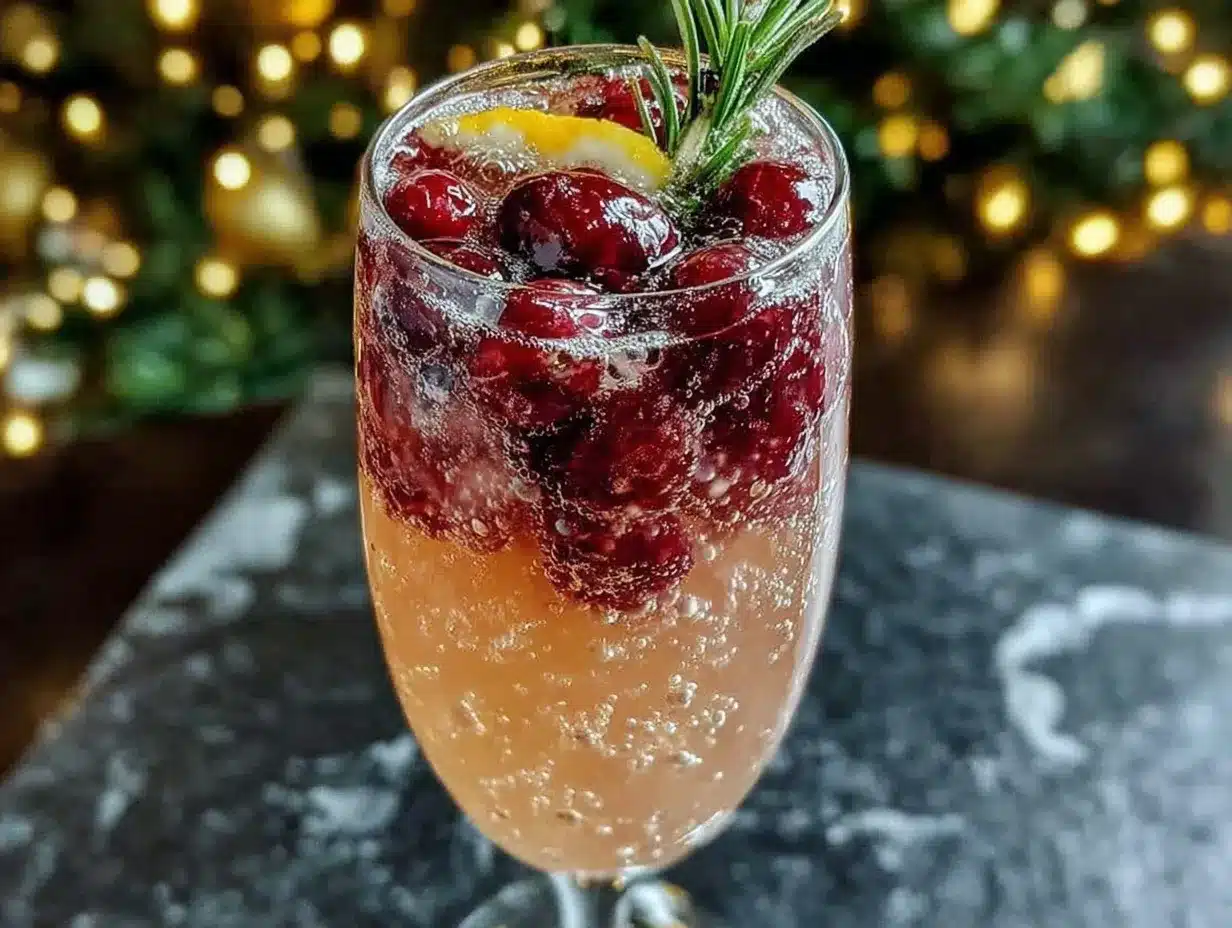
- Fresh Cranberries and Rosemary (for garnish) : These are purely for looks, but they make a huge difference. The bright red cranberries and sprig of rosemary floating in the glass look incredibly festive. Plus, the rosemary adds a subtle herbal note if it brushes your nose as you sip. (You can also use orange slices or star anise for a different look.)
Equipment Needed
You don’t need a full bar setup for this one. Here’s what you’ll actually use:
- Champagne Flutes or Wine Glasses : Flutes are classic and help keep the bubbles from escaping too quickly. But honestly, any glass works. I’ve used mason jars in a pinch. (Just make sure they’re clean and dry—residual soap can kill the bubbles.)
- A Pitcher or Large Measuring Cup : For mixing the cranberry base. A glass pitcher is nice so you can see the color, but a large Pyrex measuring cup works just fine.
- A Bar Spoon or Long Spoon : For stirring the base. A chopstick works too. Anything long enough to reach the bottom.
- A Jigger or Small Measuring Cup : For measuring the orange liqueur and simple syrup. Eyeballing it is fine, but for consistency, I recommend measuring.
- A Cutting Board and Knife : For slicing the orange or rosemary if you’re using them for garnish.
Preparation Method
Making this perfect cranberry mimosa is almost embarrassingly easy. The key is having everything prepped and chilled so you can assemble it quickly right before serving.
- Chill your ingredients. Put your bottle of champagne, cranberry juice, and orange liqueur in the fridge at least 2 hours before you plan to serve. Nothing ruins a mimosa faster than warm champagne. (If you’re in a rush, you can put the bottle in the freezer for 20 minutes—just don’t forget it’s in there.)
- Make the cranberry base. In your pitcher or large measuring cup, combine 1 cup (240 ml) of pure cranberry juice, 2 tablespoons (30 ml) of orange liqueur, and 1-2 teaspoons of simple syrup (depending on how sweet you like it). Stir gently with your bar spoon until the simple syrup is fully dissolved. (The base can be made up to 24 hours ahead and stored in the fridge. Just give it a quick stir before using.)
- Prep your garnish. Rinse a handful of fresh cranberries and pat them dry. Cut a few small sprigs of rosemary—about 3 inches long each. (You can also run the rosemary sprig under cold water to make it look extra fresh.) Set these aside on a small plate.
- Assemble the mimosa. Pour about 2-3 tablespoons (30-45 ml) of the cranberry base into each champagne flute. You want the glass to be about 1/4 full with the base. (The exact amount depends on the size of your glass, but the key is the 2:1 ratio of champagne to base.)
- Top with champagne. Slowly pour the chilled champagne into the glass, aiming for the center to avoid too much foam. Fill the glass to about 3/4 full. The bubbles will rise and mix with the cranberry base, creating a beautiful gradient from deep red to pale pink. (If you pour too fast, you’ll lose a lot of the carbonation. Take your time.)
- Add the garnish. Drop a few fresh cranberries into the glass—they’ll float or sink, either way it looks pretty. Slide a sprig of rosemary into the glass so it peeks out the top. (The rosemary is also a great stirrer if you want to mix the drink a little more.)
- Serve immediately. Mimosas are best enjoyed fresh while the bubbles are still lively. Don’t let them sit around. (If you’re making a pitcher for a party, mix the base and champagne in the pitcher right before serving, then pour into glasses. Don’t let it sit in the pitcher for more than a few minutes.)
Sensory Cues: When you pour the champagne, you’ll hear that satisfying hiss of bubbles. The color should shift from a deep ruby at the bottom to a soft, blush pink at the top. The rosemary should smell fresh and piney, a nice contrast to the tart cranberry. If you taste it and it’s too sharp, add a tiny bit more simple syrup. If it’s too sweet, add a splash more cranberry juice. Trust your palate.
Cooking Tips & Techniques
I’ve made my share of flat, sad mimosas over the years. Here’s what I’ve learned so you don’t have to repeat my mistakes.
Don’t skip chilling everything. This is the number one mistake. Warm champagne loses its bubbles almost instantly. Warm cranberry juice dilutes the drink. Cold ingredients keep the carbonation locked in longer. I once made a batch for a brunch and forgot to chill the juice. The result was a lukewarm, flat mess that nobody wanted to drink. Learn from me.
Pour the champagne down the side of the glass. If you pour it directly into the center, you’ll create a massive foam that spills over the rim. Tilt the glass slightly and pour the champagne slowly down the inside wall. This preserves the carbonation and gives you a prettier drink.
Use a dry champagne. I cannot stress this enough. A sweet or semi-sweet sparkling wine will make your mimosa taste like liquid candy. The whole point is the contrast between the dry bubbles and the tart cranberry. A Brut or Extra Brut is your best friend here. (If you accidentally buy a sweet one, you can balance it with extra cranberry juice and a squeeze of lemon.)
Make a non-alcoholic version for designated drivers. Just swap the champagne for a good quality sparkling water or non-alcoholic sparkling wine. The cranberry base is so flavorful that you won’t miss the alcohol. I’ve served this at parties and had guests actually prefer the non-alcoholic version. (Use a lemon-lime sparkling water for a little extra zing.)
Prep the garnish ahead of time. I like to arrange the cranberries and rosemary sprigs on a small tray so I can grab them quickly. It makes the assembly process feel much more efficient, especially when you’re making a round for a group. (Plus, it looks pretty on the counter.)
Don’t overdo the simple syrup. Start with 1 teaspoon per cup of base and taste it. You can always add more, but you can’t take it out. I once got heavy-handed with the syrup and ended up with a drink that tasted more like cranberry candy than a sophisticated cocktail. Less is more here.
Variations & Adaptations
This recipe is a great starting point, but don’t be afraid to make it your own. Here are a few variations I’ve tried and loved.
- Spiced Cranberry Mimosa : Add a cinnamon stick and a star anise to the cranberry base while it sits. Let it infuse for at least 30 minutes before straining. The warm spices pair beautifully with the tart cranberry and make it feel extra festive. (I made this for a Christmas brunch and it was a huge hit.)
- Pomegranate Cranberry Mimosa : Replace half of the cranberry juice with pomegranate juice. The pomegranate adds a slightly sweeter, more floral note. Garnish with pomegranate arils instead of cranberries for a different look. (This is my go-to for Valentine’s Day.)
- Herbal Cranberry Mimosa : Muddle a few fresh sage or thyme leaves in the bottom of the glass before adding the cranberry base. The herbal notes cut through the tartness and add a sophisticated layer. (I tried this on a whim and was surprised by how well it worked.)
- Low-Sugar Version : Use a sugar-free simple syrup or skip it entirely. The pure cranberry juice is tart enough on its own, and the champagne adds enough dryness to balance it. (If you’re watching your sugar intake, this is a great option.)
- Frozen Cranberry Mimosa : Blend the cranberry base with a handful of ice until slushy, then top with champagne. It’s a fun, festive twist that’s perfect for a hot New Year’s Eve in the Southern Hemisphere. (Just don’t blend the champagne—it will go flat.)
Serving & Storage Suggestions
Serve this perfect cranberry mimosa ice cold. The glasses should be chilled if possible—pop them in the freezer for 10 minutes before you start. The cold glass helps keep the bubbles active and the drink refreshing.
For a New Year’s Eve party, set up a mimosa bar. Put out a pitcher of the cranberry base, a bottle of chilled champagne, and small bowls of garnishes like fresh cranberries, rosemary sprigs, orange slices, and star anise. Let guests build their own. It’s interactive and takes the pressure off you to be the bartender all night. (Plus, it looks beautiful on the table.)
These pair beautifully with light appetizers. Try serving them alongside our flavorful jalapeño popper deviled eggs for a spicy-sweet contrast, or with a batch of crispy sheet pan nachos for a more casual vibe. The bubbles cut through rich, savory foods perfectly.
Storage: The cranberry base (without champagne) can be made up to 3 days ahead and stored in an airtight container in the fridge. The champagne should be opened and used within a few hours. Once you’ve added champagne to the base, you need to drink it immediately. Leftover mimosas will be flat and sad. (If you have leftover champagne, use it to make creamy vanilla sweet cream cold brew for a boozy coffee treat the next morning.)
Reheating: You don’t reheat a mimosa. That would be weird. Just make a fresh one.
Flavors don’t really develop over time with this drink—it’s best fresh. But the cranberry base will deepen slightly in flavor after a day in the fridge, becoming a bit more mellow and integrated. I actually prefer it after it’s sat for a few hours.
Nutritional Information & Benefits
One serving of this perfect cranberry mimosa (using 2 oz cranberry base and 4 oz champagne) contains approximately:
- Calories: 120-150
- Carbohydrates: 15-20g
- Sugar: 12-16g (mostly from the cranberry juice and simple syrup)
- Alcohol: About 1 standard drink
Health Benefits: Pure cranberry juice is packed with antioxidants and vitamin C. It’s known for supporting urinary tract health and reducing inflammation. Of course, the champagne adds alcohol and sugar, so this isn’t exactly a health drink—but it’s a celebration, right? Everything in moderation.
Dietary Considerations: This recipe is naturally gluten-free and dairy-free. For a lower-sugar option, skip the simple syrup and use a dry champagne. For a non-alcoholic version, swap the champagne for sparkling water or a non-alcoholic sparkling wine. (Always check labels if you’re serving someone with dietary restrictions.)
Potential Allergens: None of the common allergens (nuts, dairy, eggs, soy, wheat) are present in this recipe. However, some cheaper champagnes may use fining agents derived from fish or eggs. If you’re serving someone with severe allergies, look for a vegan-friendly sparkling wine.
Conclusion
This perfect cranberry mimosa has become my signature New Year’s Eve drink for a reason. It’s simple enough to make while you’re juggling appetizers and party prep, but elegant enough to feel like a real celebration. The tart cranberry, the dry bubbles, the hint of orange—it all comes together in a glass that’s as beautiful as it is delicious.
I love that this recipe is forgiving. You can adjust the sweetness, swap in different garnishes, or make a big batch for a crowd without any stress. It’s the kind of drink that lets you focus on what really matters on New Year’s Eve: the people you’re with and the moment you’re sharing.
So go ahead—give it a try. Customize it to your taste. Make it your own. And when you take that first sip as the clock strikes midnight, I hope it tastes like the start of something wonderful.
I’d love to hear how yours turns out. Drop a comment below and let me know what garnish you used, or tag me in your photos if you share them online. Cheers to a happy, bubbly new year!
Frequently Asked Questions
Can I make this cranberry mimosa ahead of time for a party?
You can make the cranberry base up to 3 days ahead and store it in the fridge. But don’t add the champagne until right before serving. Once the bubbles are added, the drink needs to be enjoyed within 5-10 minutes. For a party, set up a self-serve bar with the base and champagne separate.
What’s the best champagne to use for this recipe?
A dry Brut or Extra Brut sparkling wine is ideal. You don’t need an expensive bottle—a $12-15 Cava or Prosecco works great. Avoid sweet sparkling wines like Moscato, as they’ll make the drink too sugary. The dryness of the champagne is what balances the tart cranberry.
Can I use cranberry juice cocktail instead of pure cranberry juice?
You can, but the drink will be much sweeter. If you use cocktail, skip the simple syrup entirely and consider adding a squeeze of fresh lemon to balance the sweetness. Pure cranberry juice gives a cleaner, more sophisticated flavor that I personally prefer.
How do I make a non-alcoholic version of this mimosa?
Simply swap the champagne for a good quality sparkling water or non-alcoholic sparkling wine. The cranberry base is flavorful enough that you won’t miss the alcohol. A lemon-lime sparkling water adds a nice citrus note. Garnish the same way for a festive look.
What other occasions is this drink good for besides New Year’s Eve?
This cranberry mimosa is perfect for any celebration. It’s great for Valentine’s Day, bridal showers, brunch parties, Thanksgiving, or Christmas. The deep red color makes it especially festive for holiday gatherings. I’ve also served it at casual summer barbecues—it’s refreshing and always a hit.
Pin This Recipe!
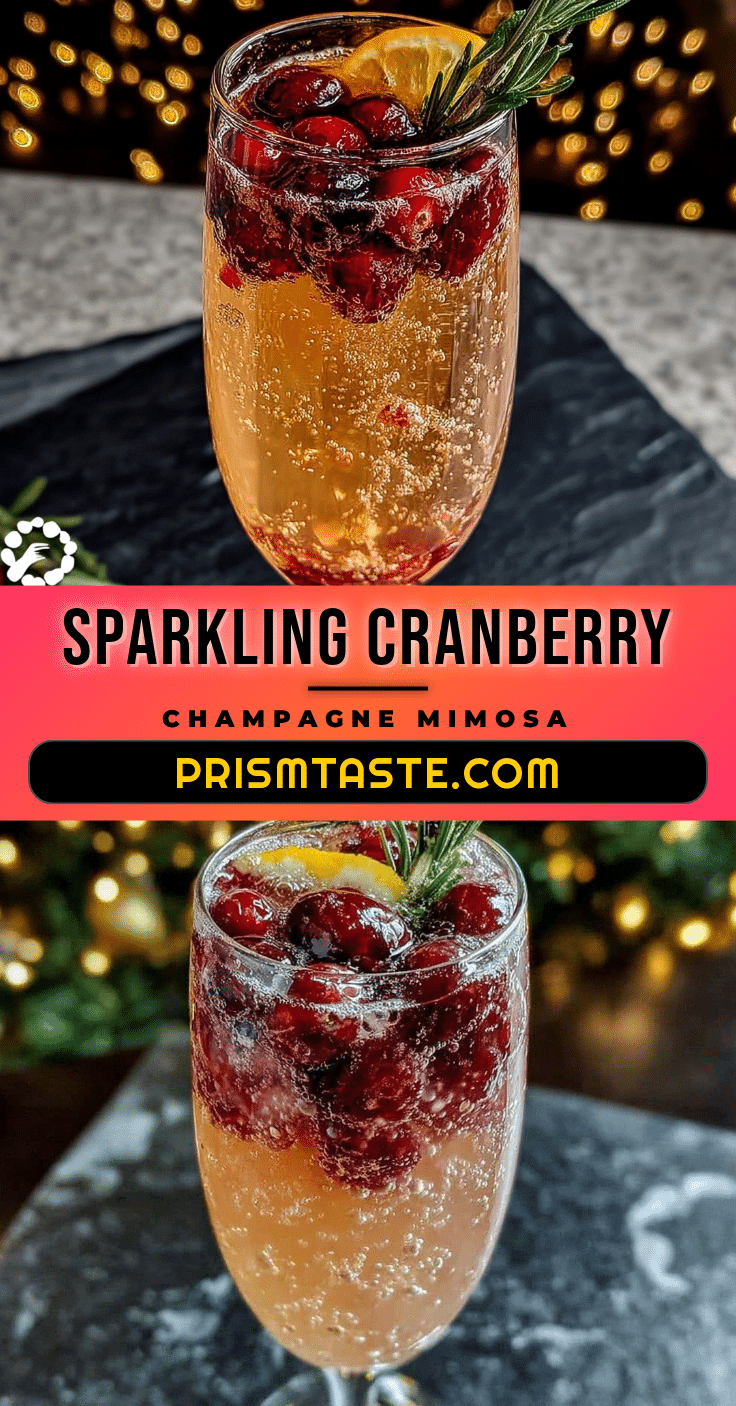
Perfect Cranberry Mimosa Easy Champagne Drink for NYE
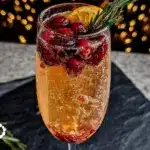
This perfect cranberry mimosa is a quick and easy champagne cocktail that balances tart cranberry juice with dry sparkling wine and a hint of orange liqueur. It’s the ideal festive drink for New Year’s Eve or any celebration.
- Prep Time: 10 minutes
- Cook Time: 0 minutes
- Total Time: 10 minutes
- Yield: 4 servings 1x
- Category: Beverage
- Cuisine: American
Ingredients
- 1 cup (240 ml) 100% pure cranberry juice
- 2 tablespoons (30 ml) orange liqueur (triple sec, Cointreau, or Grand Marnier)
- 1–2 teaspoons simple syrup (optional, to taste)
- 1 bottle (750 ml) dry Brut or Extra Brut champagne or sparkling wine (chilled)
- Fresh cranberries (for garnish)
- Fresh rosemary sprigs (for garnish)
Instructions
- Chill the champagne, cranberry juice, and orange liqueur in the refrigerator for at least 2 hours before serving.
- In a pitcher or large measuring cup, combine the cranberry juice, orange liqueur, and simple syrup. Stir gently until the simple syrup is fully dissolved. (The base can be made up to 24 hours ahead and stored in the fridge.)
- Rinse a handful of fresh cranberries and pat them dry. Cut a few small rosemary sprigs (about 3 inches long) for garnish.
- Pour about 2-3 tablespoons (30-45 ml) of the cranberry base into each champagne flute, filling the glass about 1/4 full.
- Slowly pour the chilled champagne into the glass, aiming for the center to avoid too much foam, until the glass is about 3/4 full.
- Drop a few fresh cranberries into the glass and slide a rosemary sprig into the glass so it peeks out the top.
- Serve immediately while the bubbles are still lively.
Notes
For a non-alcoholic version, swap the champagne for sparkling water or non-alcoholic sparkling wine. The cranberry base can be made up to 3 days ahead and stored in the fridge. Use a dry Brut or Extra Brut sparkling wine for best results. Adjust sweetness with simple syrup to taste.
Nutrition
- Serving Size: 1 mimosa (about 6 oz
- Calories: 135
- Sugar: 14
- Sodium: 10
- Carbohydrates: 17
Keywords: cranberry mimosa, champagne drink, New Year's Eve cocktail, easy mimosa recipe, festive drink, cranberry champagne cocktail