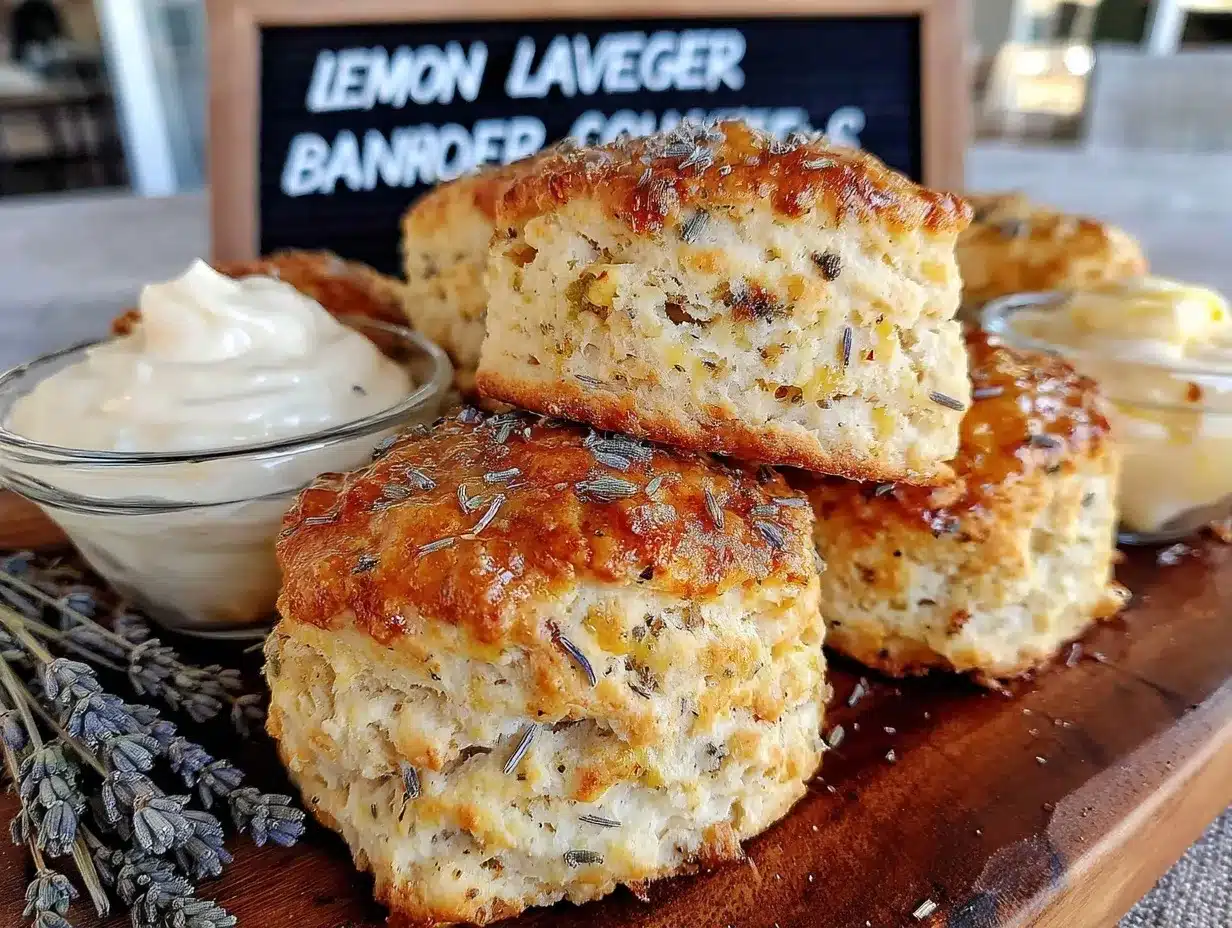
“You’ve got to try these scones,” my neighbor said, sliding a petite plate through the fence. It was a breezy Saturday afternoon, and honestly, I had just been juggling a messy garden project and a half-hearted attempt at tidying up the kitchen. The scent was delicate yet unmistakable—fresh lemon zest and a hint of lavender that instantly calmed the chaos swirling in my mind. I bit in, expecting something floral and maybe a bit too fancy for my everyday taste, but nope—fluffy, buttery clouds with a gentle citrus kick and a sweet, soothing finish. It was one of those accidental wins that made me rethink my whole approach to afternoon tea.
That first taste turned into a week-long obsession. I found myself baking these fluffy lemon lavender scones multiple times, tweaking the honey butter, and savoring slow, quiet moments with clotted cream dolloped on top. You know how some recipes just stick with you? This one did, not because it was complicated, but because it felt like a little pause button in a busy day—a reminder that something simple and homey could still feel special. It’s that subtle magic that made me want to share this recipe with you.
Whether you’re a seasoned baker or just looking for a cozy treat to complement your tea ritual, these scones promise a blend of lightness and fragrant charm that’s hard to resist. Let’s just say, these aren’t your run-of-the-mill scones—they’re a gentle hug of lemon and lavender wrapped in golden, fluffy goodness, perfect for those moments when you want to slow down and savor the day.
Why You’ll Love This Fluffy Lemon Lavender Scones Recipe
Having tested and re-tested this recipe over several weeks (not that I’m complaining), I can say these scones hit all the right notes. Here’s why this recipe stands out:
- Quick & Easy: Ready in about 30 minutes, these scones fit perfectly into busy afternoons or spontaneous tea breaks.
- Simple Ingredients: No need for specialty stores—lavender buds and fresh lemons are the only “fancy” bits, and the rest are pantry staples.
- Perfect for Afternoon Tea: They bring a fresh twist to traditional scones, ideal for a relaxing gathering or a solo treat.
- Crowd-Pleaser: The floral notes and citrus zing are subtle enough to appeal to kids and adults alike, often surprising skeptics!
- Unbelievably Delicious: The combination of fluffy texture with the creamy honey butter and rich clotted cream creates a multi-layered flavor you’ll want to revisit.
This recipe isn’t just another scone formula. The trick lies in the way the batter is handled—lightly mixed and chilled briefly to keep that tender crumb—and the special touch of fresh lemon zest paired with culinary lavender buds, which create a nuanced floral and citrus aroma without overpowering the palate. Plus, the honey butter adds a sweet, silky contrast that’s pure comfort food with a sophisticated edge.
Honestly, it’s the kind of recipe that makes you close your eyes after the first bite and just enjoy the moment. It’s my go-to when I want a little quiet indulgence or need to impress a friend without going overboard. If you appreciate recipes that blend ease with a bit of elegance, this one’s for you.
What Ingredients You Will Need
This recipe uses simple, wholesome ingredients to deliver bold flavor and satisfying texture without the fuss. Most are kitchen staples, with a couple of special touches that bring the scones to life.
- All-purpose flour: 2 cups (250g), for that perfect tender crumb. Use a trusted brand like King Arthur for consistent results.
- Baking powder: 1 tablespoon, to help the scones rise beautifully.
- Granulated sugar: ¼ cup (50g), just enough to add sweetness without overpowering.
- Salt: ½ teaspoon, balances the flavors.
- Unsalted butter: ½ cup (115g), cold and cubed, for flakiness and richness.
- Fresh lemon zest: From 1 large lemon, adds bright citrus notes.
- Dried culinary lavender buds: 1 tablespoon, finely crushed to release their floral aroma. (Avoid using lavender from florists or craft stores—culinary grade is best.)
- Heavy cream: ¾ cup (180ml), plus extra for brushing, ensures moist, tender scones.
- Large egg: 1, room temperature, for binding and richness.
- Vanilla extract: 1 teaspoon, complements the lavender and lemon beautifully.
- Honey: 2 tablespoons, for the honey butter.
- Unsalted butter (for honey butter): ¼ cup (57g), softened, mixed with honey to spread on warm scones.
- Clotted cream: For serving, a classic British touch that melts into the scones for indulgent richness.
If you can’t find clotted cream, a thick whipped cream or mascarpone works as a substitute. Also, you can swap heavy cream for full-fat coconut milk if you want a dairy-free option, though the texture will be slightly different. In summer, feel free to add fresh blueberries for a seasonal twist.
Equipment Needed
- Mixing bowls: At least two—one for dry ingredients, one for wet.
- Pastry cutter or food processor: To cut butter into the flour. A fork or your fingers can work but a pastry cutter speeds things up.
- Baking sheet: For baking the scones. Line with parchment paper to prevent sticking.
- Measuring cups and spoons: Accurate measurements matter here.
- Zester or microplane: To zest the lemon finely and evenly.
- Rolling pin: Optional, but helps get an even dough thickness.
- Pastry brush: For brushing cream on before baking to achieve that golden crust.
Personally, I like using a food processor for the butter cutting step because it keeps everything cold and speeds up the process. However, if you don’t have one, just work quickly with your fingers or a pastry cutter and chill the dough well before baking. Parchment paper is a must-have for easy cleanup, especially if you’re balancing cooking with other tasks (speaking from experience!).
Preparation Method
- Preheat your oven to 400°F (200°C) and line a baking sheet with parchment paper. This ensures the scones bake evenly and don’t stick.
- Mix dry ingredients: In a large bowl, whisk together 2 cups (250g) all-purpose flour, 1 tablespoon baking powder, ¼ cup (50g) granulated sugar, and ½ teaspoon salt. Stir in the lemon zest and crushed lavender buds to evenly distribute their flavor.
- Cut in the cold butter: Add ½ cup (115g) cold, cubed unsalted butter to the flour mixture. Use a pastry cutter or fingers to blend until the mixture resembles coarse crumbs with pea-sized bits of butter. This step is key for flaky, tender scones—don’t overwork it!
- Combine wet ingredients: In a separate bowl, whisk ¾ cup (180ml) heavy cream, 1 large egg, and 1 teaspoon vanilla extract until smooth.
- Form the dough: Make a well in the dry ingredients and pour in the wet mixture. Gently stir with a spatula until the dough just comes together—don’t overmix. The dough will be slightly sticky but should hold together when pressed.
- Chill briefly: Turn the dough onto a lightly floured surface and pat into a disk about 1-inch (2.5 cm) thick. Wrap in plastic and chill for 15 minutes to firm up the butter and make cutting easier.
- Cut the scones: Remove the dough from the fridge and cut into 8 wedges or use a 2.5-inch (6 cm) round cutter for classic shapes. Place the scones on the prepared baking sheet with space between them.
- Brush with cream: Lightly brush the tops with a little heavy cream to encourage a golden crust.
- Bake: Bake in the preheated oven for 15-18 minutes, until puffed and golden on top. The scones should spring back lightly when touched.
- Make the honey butter: While the scones bake, mix ¼ cup (57g) softened unsalted butter with 2 tablespoons honey until smooth and creamy.
- Serve warm: Allow the scones to cool just slightly, then slice and spread with honey butter and a generous dollop of clotted cream.
If you notice your scones are too dense, check your baking powder’s freshness or try to handle the dough less. Overmixing can make them tough. Also, chilling the dough is a game changer; it helps keep the butter cold and creates those flaky layers you want. I’ve found that using a light hand and letting the oven do the work makes all the difference.
Cooking Tips & Techniques
Mastering scones is easier than you might think, but a few tricks can really set your recipe apart:
- Keep ingredients cold: From butter to cream, cold ingredients help create steam during baking, which makes scones fluffy and flaky. I once skipped chilling the dough, and the scones turned out dense—lesson learned!
- Don’t overmix: The dough should be lumpy and slightly sticky. Overworking develops gluten, which leads to tough scones.
- Use fresh baking powder: This is your rising agent, so make sure it’s fresh for best lift.
- Cut even shapes: Whether wedges or rounds, try to keep thickness consistent for uniform baking.
- Brush with cream or milk: This simple step before baking gives the scones that irresistible golden sheen.
- Multitasking tip: While the scones bake, whip up the honey butter or prep your tea setup—makes the whole experience smoother.
One thing I’ve found helpful is to set a timer for 15 minutes and check the scones early. Ovens vary, and you don’t want them too brown or underdone. Also, when crushing lavender buds, do so gently to avoid bitterness—just enough to release aroma.
Variations & Adaptations
Feel free to adjust this scone recipe to suit your tastes or dietary needs:
- Gluten-Free: Substitute all-purpose flour with a 1:1 gluten-free baking blend. Add a teaspoon of xanthan gum if your blend lacks it for structure.
- Vegan Option: Use coconut cream instead of heavy cream, and replace the egg with a flax egg (1 tablespoon ground flaxseed mixed with 3 tablespoons water). Swap butter for vegan butter for the dough and honey butter.
- Seasonal Flavors: Swap lavender for fresh rosemary or thyme for a savory twist. In summer, add fresh or frozen blueberries for bursts of sweetness.
- Different Shapes: Try cutting the dough into mini rounds for bite-sized treats at parties or long strips for a scone “twist.”
- Personal Variation: I once added a teaspoon of lemon extract along with zest for an extra punchy lemon note. It’s not traditional but definitely worth trying if you love citrus.
You can also experiment with browned butter banana bread or loaded cookie skillet desserts if you want to keep the cozy vibe going with different bakes.
Serving & Storage Suggestions
These scones shine best served warm—straight from the oven is ideal, but they’re still delightful at room temperature. Pair them with a pot of strong black tea or a light herbal blend to complement the floral notes.
Presentation-wise, a smear of honey butter and a generous spoonful of clotted cream on each scone is where the magic happens. For a special occasion, add a few fresh lavender sprigs or thin lemon slices on the side.
Store leftover scones in an airtight container at room temperature for up to 2 days. For longer storage, freeze them wrapped well for up to 3 months. To reheat, pop frozen scones in a 350°F (175°C) oven for 10 minutes or until warmed through and slightly crisp on the outside.
Flavors tend to deepen after a day, so if you can resist immediately, letting them rest overnight can make for an even more aromatic bite the next day.
Nutritional Information & Benefits
Each fluffy lemon lavender scone (without toppings) roughly contains:
| Calories | 250 kcal |
|---|---|
| Fat | 14g |
| Carbohydrates | 28g |
| Protein | 4g |
| Sugar | 7g |
Key ingredients like lemon zest provide vitamin C, and lavender has calming properties traditionally used to reduce stress. Using real butter and heavy cream means these scones are rich, so they’re definitely a treat rather than everyday fare. For those watching carbs, substituting with almond flour can reduce the carbohydrate load.
People with dairy allergies should swap cream and butter for plant-based alternatives to keep the recipe accessible. Personally, I appreciate how this recipe balances indulgence with simple, quality ingredients—perfect for mindful enjoyment.
Conclusion
Fluffy lemon lavender scones with honey butter and clotted cream are more than just a baked good—they’re a little moment of calm in a busy life. Their delicate flavors and tender texture make them a wonderful companion for afternoon tea or a peaceful morning treat. I love how this recipe invites you to slow down, take a breath, and enjoy something that feels both special and comforting.
Feel free to make this recipe your own—tweak the lavender, add a twist of flavor, or serve with your favorite spreads. And when you do, I’d love to hear how your scones turned out or any creative spins you tried. Baking is better when shared, after all!
For other cozy homemade recipes that pair well with these scones, you might enjoy my tender instant pot beef stew or the easy budget-friendly loaded pasta bake. Both bring a comforting warmth to the table, just like these scones.
FAQs About Fluffy Lemon Lavender Scones
Can I use fresh lavender instead of dried?
Fresh lavender can be used but in smaller amounts, as it’s more potent. About 1 teaspoon finely chopped fresh lavender buds should suffice. Be sure it’s culinary grade and pesticide-free.
How do I store leftover scones?
Store scones at room temperature in an airtight container for up to 2 days or freeze for up to 3 months. Reheat in a warm oven to refresh their texture before serving.
Can I make these scones ahead of time?
Yes! Prepare the dough and refrigerate for up to 24 hours before baking. Just bring them to room temperature before baking for best results.
What’s the best substitute for clotted cream?
If clotted cream isn’t available, thick whipped cream, mascarpone, or even cream cheese mixed with a little heavy cream make great alternatives.
Are these scones suitable for gluten-free diets?
Yes, by substituting all-purpose flour with a gluten-free baking blend and adding xanthan gum if needed, you can make delicious gluten-free lemon lavender scones.
Pin This Recipe!

Fluffy Lemon Lavender Scones Recipe with Honey Butter and Clotted Cream

These fluffy lemon lavender scones offer a delicate blend of citrus and floral notes, perfect for afternoon tea. Served with honey butter and clotted cream, they provide a comforting and elegant treat.
- Prep Time: 15 minutes
- Cook Time: 18 minutes
- Total Time: 33 minutes
- Yield: 8 servings 1x
- Category: Dessert
- Cuisine: British
Ingredients
- 2 cups (250g) all-purpose flour
- 1 tablespoon baking powder
- 1/4 cup (50g) granulated sugar
- 1/2 teaspoon salt
- 1/2 cup (115g) cold unsalted butter, cubed
- Zest of 1 large lemon
- 1 tablespoon dried culinary lavender buds, finely crushed
- 3/4 cup (180ml) heavy cream, plus extra for brushing
- 1 large egg, room temperature
- 1 teaspoon vanilla extract
- 2 tablespoons honey
- 1/4 cup (57g) softened unsalted butter (for honey butter)
- Clotted cream, for serving
Instructions
- Preheat your oven to 400°F (200°C) and line a baking sheet with parchment paper.
- In a large bowl, whisk together flour, baking powder, sugar, salt, lemon zest, and crushed lavender buds.
- Add cold, cubed butter to the dry ingredients and cut in using a pastry cutter or fingers until mixture resembles coarse crumbs with pea-sized bits of butter.
- In a separate bowl, whisk heavy cream, egg, and vanilla extract until smooth.
- Make a well in the dry ingredients and pour in the wet mixture. Gently stir with a spatula until the dough just comes together; do not overmix.
- Turn dough onto a lightly floured surface and pat into a 1-inch thick disk. Wrap in plastic and chill for 15 minutes.
- Remove dough from fridge and cut into 8 wedges or use a 2.5-inch round cutter. Place scones on prepared baking sheet with space between them.
- Lightly brush the tops with heavy cream.
- Bake for 15-18 minutes until puffed and golden. Scones should spring back lightly when touched.
- While baking, mix softened butter with honey until smooth to make honey butter.
- Allow scones to cool slightly, then serve warm with honey butter and a generous dollop of clotted cream.
Notes
Keep ingredients cold to ensure fluffy, flaky scones. Do not overmix the dough to avoid toughness. Chill dough before cutting to help maintain shape and texture. Use fresh baking powder for best rise. Brush tops with cream for a golden crust. Honey butter adds a sweet, silky contrast. Clotted cream can be substituted with thick whipped cream or mascarpone. For gluten-free, use a 1:1 gluten-free baking blend and xanthan gum. Vegan options include coconut cream and flax egg.
Nutrition
- Serving Size: 1 scone
- Calories: 250
- Sugar: 7
- Fat: 14
- Carbohydrates: 28
- Protein: 4
Keywords: lemon scones, lavender scones, afternoon tea, honey butter, clotted cream, fluffy scones, floral scones, citrus baked goods