I used to think the perfect soft egg on ramen was something you only got at restaurants. Honestly, I didn’t even try making it at home for years. I would just crack a raw egg into my boiling noodles, watch it turn into a cloudy mess of wispy whites, and tell myself it was “rustic.” It wasn’t rustic. It was sad. That was my routine for way too long until one rainy Tuesday night, out of eggs and patience, I finally looked up what I was doing wrong. Turns out, the secret isn’t some fancy technique or a special pot. It’s just timing and a little bit of patience. This whole one-pot ramen upgrade came from that night—me wanting a bowl of noodles that felt like a hug, not a science experiment. And honestly? It changed everything.
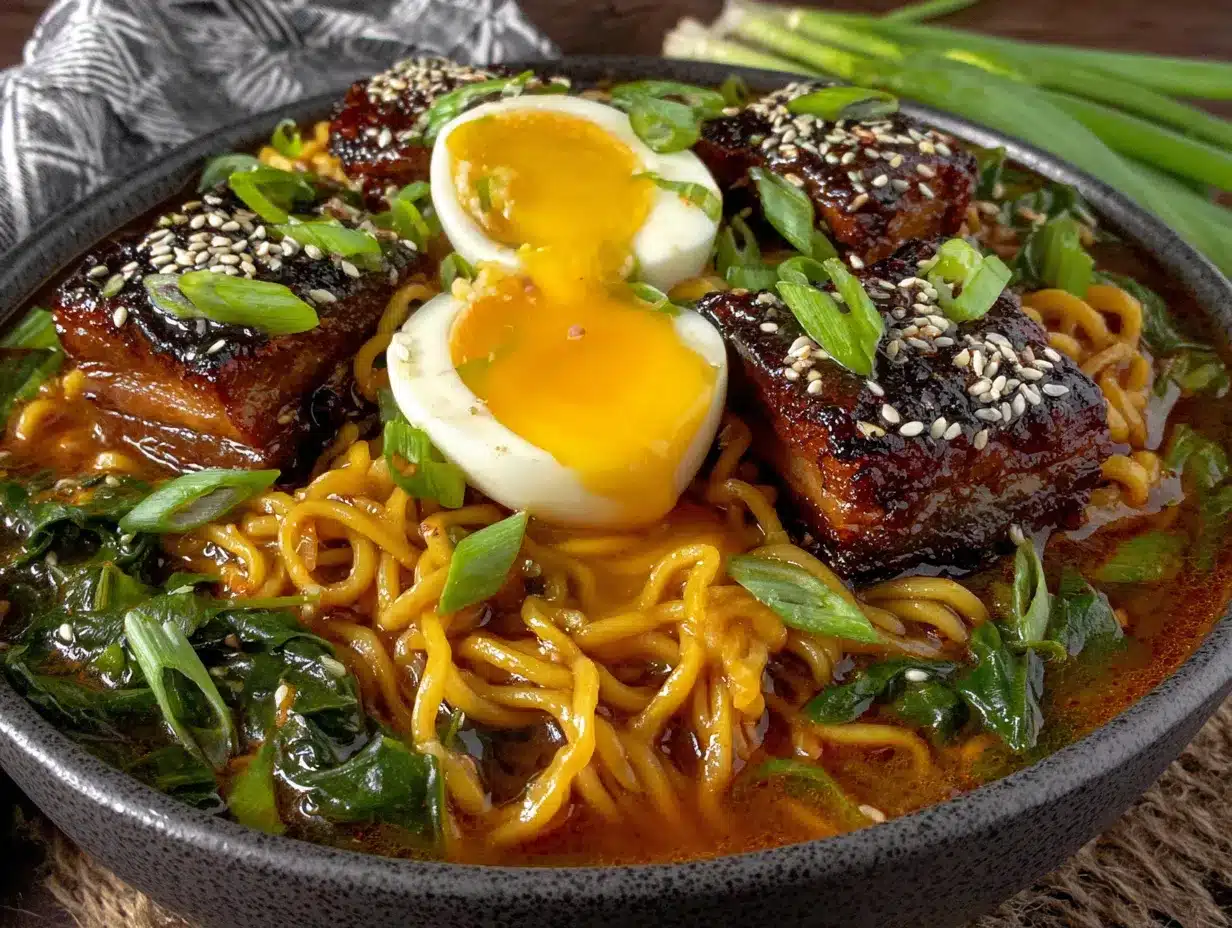
This recipe isn’t about making ramen from scratch. It’s about taking that packet of instant noodles you already have and turning it into something that feels special. Something with a rich, flavorful broth, perfectly cooked noodles, and a soft-boiled egg with a jammy, golden center that spills into the soup. It’s the kind of meal that costs under five dollars and takes less than fifteen minutes, but tastes like you spent an hour on it. That rainy Tuesday, I sat down with my bowl, took one bite of that egg, and actually laughed out loud. It was that good. And I knew I had to share it.
Why You’ll Love This Recipe
This isn’t just another ramen recipe. It’s the one that finally works. I’ve tested this method more times than I can count, tweaking the water level and the egg timing until it was absolutely foolproof. Here’s why this will become your new go-to.
- One Pot, No Mess: You cook everything in a single pot. The noodles, the broth, and even the egg. Less cleanup means more time enjoying your meal.
- Quick & Easy: From start to finish, this takes about 12 minutes. It’s faster than takeout and perfect for those nights when you need something warm and satisfying right now.
- Simple Ingredients: You probably already have everything you need. Ramen packets, eggs, butter, soy sauce, and maybe some garlic and green onions. No fancy grocery store trips required.
- Restaurant-Quality Egg: This is the star of the show. That perfect soft-boiled egg with a runny yolk is easier to make than you think. No complicated gadgets needed.
- Completely Customizable: You can dress this up with whatever you have on hand. Leftover chicken, a handful of spinach, some sesame seeds—it’s a blank canvas for your fridge leftovers.
What makes this recipe different is the technique. I’m not just telling you to boil an egg and put it on top. I’m showing you how to cook the egg right in the same pot as the noodles, using a simple method that gives you perfect results every single time. No more guessing, no more overcooked eggs. It’s the kind of trick that makes you feel like a real cook, even on a Tuesday night when you’re tired.
What Ingredients You Will Need
This recipe uses simple, everyday ingredients to create something truly special. The magic is in how they come together, not in having a pantry full of exotic items. Here’s everything you’ll need.
- 2 packs instant ramen noodles (discard the seasoning packets or save them for another use. I prefer a good quality brand like Nongshim or Sapporo Ichiban for better noodle texture)
- 4 cups water (for cooking the noodles and egg)
- 2 large eggs (look for fresh, room-temperature eggs for the best results. Cold eggs straight from the fridge can crack when added to hot water)
- 1 tablespoon unsalted butter (adds richness and a silky finish to the broth)
- 1 tablespoon soy sauce (use a low-sodium version if you prefer, or tamari for a gluten-free option)
- 1 teaspoon sesame oil (this is optional, but it adds a wonderful nutty aroma that takes the broth to the next level)
- 2 cloves garlic, minced (fresh garlic is best, but you can use 1/2 teaspoon of garlic powder in a pinch)
- 1 teaspoon grated fresh ginger (optional, but highly recommended for a little warmth and zing)
- 2 green onions, sliced (for garnish and a fresh, sharp bite)
- 1 teaspoon toasted sesame seeds (for garnish, adds a nice crunch)
- Optional toppings: sriracha or chili oil for heat, shredded nori (seaweed), leftover shredded chicken or pork, sautéed mushrooms, a handful of baby spinach or bok choy
For the broth base, I’m a big fan of using a simple mix of butter, soy sauce, and sesame oil. It creates a rich, savory broth that coats the noodles beautifully. If you want a more traditional ramen broth, you can swap the water for chicken or vegetable broth. I’ve done it both ways, and honestly, the butter version is my favorite for its simplicity and flavor. You can find quality instant ramen at most grocery stores or Asian markets. The noodles from the packet are actually quite good when you don’t rely on the seasoning packet.
Equipment Needed
You don’t need a lot of fancy equipment for this recipe. That’s the beauty of it. Here’s what you’ll need.
- Medium-sized pot (a 3-quart pot works perfectly. You want something big enough to hold the noodles and eggs without crowding)
- Slotted spoon (for removing the eggs from the hot water. A regular spoon will work, but a slotted one makes it much easier)
- Small bowl (for the ice water bath. You’ll need this to stop the egg from cooking)
- Knife and cutting board (for mincing garlic and slicing green onions)
- Measuring spoons (for the soy sauce, sesame oil, and butter)
- Timer (your phone timer is perfect. Precision is key for the egg)
If you don’t have a slotted spoon, you can use a pair of tongs to carefully grab the eggs. Just be gentle so you don’t crack them. For the ice water bath, a bowl of cold water with a few ice cubes works perfectly. I keep a small bowl in the freezer just for this purpose. It’s a game-changer for getting that perfect soft egg every time.
Preparation Method
This is where the magic happens. Follow these steps carefully, and you’ll have a bowl of ramen that rivals your favorite spot. I’ve broken it down so it’s easy to follow, even on a busy weeknight.
- Bring the water to a gentle boil: Add 4 cups of water to your medium pot and bring it to a boil over high heat. You want a gentle, rolling boil, not a violent one. If the water is bubbling too aggressively, it can cause the eggs to bump into each other and crack.
- Gently add the eggs: Once the water is boiling, use your slotted spoon to carefully lower the eggs into the pot. Be gentle! Dropping them in can cause the shells to crack. Set your timer for exactly 6 minutes and 30 seconds. This is the sweet spot for a jammy, soft yolk.
- Prepare the ice bath: While the eggs are boiling, fill your small bowl with cold water and a handful of ice cubes. Set it aside near the stove.
- Transfer eggs to ice bath: When the timer goes off, immediately use your slotted spoon to transfer the eggs to the ice bath. This stops the cooking process instantly. Let them sit in the cold water for at least 2 minutes. Don’t skip this step!
- Cook the noodles: Keep the same pot of water boiling. Add the two packs of instant ramen noodles to the water. Cook according to the package directions, usually about 3 minutes. Use a fork to gently separate the noodles as they soften.
- Reserve some pasta water: Right before you drain the noodles, scoop out about 1/2 cup of the starchy cooking water. This is liquid gold for your broth. Set it aside.
- Drain the noodles: Pour the noodles into a colander and give them a quick shake. Don’t rinse them! You want to keep that starch on the noodles for a better texture.
- Make the broth: Return the empty pot to the stove over low heat. Add the butter, minced garlic, and grated ginger. Cook for about 30 seconds until the garlic is fragrant but not brown. Add the soy sauce and sesame oil, and stir to combine.
- Combine noodles and broth: Add the drained noodles back to the pot with the butter-soy sauce mixture. Pour in the reserved pasta water. Toss everything together with tongs or a fork until the noodles are well coated and the broth is slightly thickened, about 1 minute.
- Peel the eggs: While the noodles are finishing, gently crack the eggs from the ice bath and peel them under cold running water. The cold water helps separate the shell from the egg white. The yolks should be soft and slightly jiggly.
- Assemble and serve: Divide the noodles and broth between two bowls. Carefully slice each soft-boiled egg in half lengthwise with a sharp knife. The yolk should be bright orange and jammy. Place the egg halves on top of the noodles. Garnish with sliced green onions, toasted sesame seeds, and any other toppings you like. Serve immediately.
A note on timing: The key to this whole recipe is the 6-minute-30-second egg. I know it seems specific, but trust me on this. If you like a slightly firmer yolk, go for 7 minutes. For a runnier yolk, try 6 minutes. But 6:30 is my goldilocks zone. The noodles should be cooked al dente—firm to the bite. They’ll continue to soften slightly in the hot broth, so don’t overcook them.
Cooking Tips & Techniques
I’ve made this recipe at least twenty times to get it absolutely perfect. Here are the lessons I learned the hard way so you don’t have to.
- Room temperature eggs are your friend: Cold eggs straight from the fridge can crack when they hit the hot water. Let them sit on the counter for 10-15 minutes before cooking. If you forget, you can place them in a bowl of warm (not hot) water for 5 minutes.
- Don’t overcrowd the pot: I only cook two eggs at a time in a medium pot. If you try to cook four, the water temperature drops too much and your timing will be off. Cook in batches if you need more eggs.
- Use a gentle boil: A violent, rolling boil can cause the eggs to bounce around and crack. You want a gentle simmer with small bubbles. Adjust your heat if needed.
- Peel under cold running water: This is the trick for perfectly peeled soft-boiled eggs. The water helps separate the membrane from the egg white. Gently tap the egg all over to crack the shell, then start peeling from the wider end where the air pocket is.
- Don’t skip the pasta water: That starchy water is what makes the broth silky and helps it cling to the noodles. It’s not just water—it’s an ingredient. I learned this from making quick garlic butter shrimp pasta, and it works just as well here.
- Season the noodles, not just the broth: Tossing the noodles in the butter, soy sauce, and garlic mixture before adding the liquid ensures every strand is flavorful. It’s a simple step that makes a huge difference.
One of my biggest failures was trying to cook the egg directly in the simmering broth after the noodles were done. The whites turned into a wispy mess, and the yolk was either too hard or completely raw. Separating the egg cooking from the noodle cooking is the secret. It seems like more work, but it’s actually less messy and gives you perfect results every single time.
Variations & Adaptations
This recipe is a fantastic base, but it’s also incredibly adaptable. Here are some of my favorite ways to change it up.
- Spicy Miso Ramen: Add 1 tablespoon of white miso paste and 1 teaspoon of chili garlic sauce to the broth along with the butter. It adds a deep, savory umami flavor with a nice kick. Top with a drizzle of chili oil for extra heat.
- Vegetarian Version: Use vegetable broth instead of water for the noodles. Add a handful of baby spinach or bok choy to the pot during the last minute of cooking the noodles. The greens wilt perfectly in the hot broth. You can also add some sautéed mushrooms for a meaty texture.
- Protein-Packed Bowl: Add leftover shredded chicken, sliced pork, or even a few turkey pinwheel wraps (sliced into strips) on top. A soft-boiled egg is great, but adding another protein makes it a complete meal. I’ve also used leftover steak or crumbled tofu.
- Garlic Butter Shrimp Ramen: While the noodles are cooking, quickly sauté a handful of shrimp in a separate pan with a little butter and garlic. Add them to the bowl before serving. It’s a quick way to make it feel extra indulgent, similar to my one-pan garlic butter shrimp pasta.
- Cold Ramen Salad: This is a great summer variation. Cook the noodles and eggs as directed, but rinse the noodles under cold water after draining. Toss them with a dressing made of soy sauce, rice vinegar, sesame oil, and a little sugar. Slice the eggs and arrange everything over a bed of lettuce with cucumber, carrots, and edamame.
My personal favorite variation is the spicy miso version. I stumbled on it one night when I was out of soy sauce and used miso paste instead. It was a happy accident that I now make on purpose all the time. The miso adds a richness that instant ramen just doesn’t have on its own. Don’t be afraid to experiment—some of the best recipes come from mistakes.
Serving & Storage Suggestions
This dish is best enjoyed immediately, right when it’s hot and the egg is perfectly jammy. Here’s how to serve it and what to do if you have leftovers.
Serving: Serve the ramen in deep bowls so the broth doesn’t spill. The ideal serving temperature is piping hot. I like to warm my bowls by filling them with hot water while I’m cooking, then dumping the water out right before I add the ramen. It keeps the dish hot longer. For presentation, arrange the egg halves cut-side up so the golden yolk is visible. Sprinkle the green onions and sesame seeds over the top for color and texture. A drizzle of chili oil or sriracha adds a beautiful red contrast.
What to serve with it: This ramen is a complete meal on its own, but it pairs beautifully with a simple side. A fresh watermelon feta mint salad is a refreshing and unexpected side that balances the savory noodles. Or keep it simple with some steamed edamame sprinkled with sea salt. For a drink, a cold Japanese beer or a glass of iced green tea is perfect.
Storage: Ramen doesn’t store well once it’s assembled. The noodles will continue to absorb the broth and become mushy. If you have leftovers, store the components separately. Keep the noodles and broth in one airtight container and the peeled soft-boiled eggs in another. They’ll last for up to 2 days in the refrigerator.
Reheating: To reheat, place the noodles and broth in a pot over medium heat with a splash of water. Heat until the noodles are warmed through and the broth is simmering. Don’t microwave the eggs—it will overcook the yolks. Instead, place the whole peeled eggs in a bowl of hot tap water for 2-3 minutes to warm them gently. Slice and add to the reheated noodles. The flavor of the broth actually deepens overnight as the soy sauce and garlic meld together.
Nutritional Information & Benefits
This recipe is a comforting indulgence, but it also has some surprising nutritional benefits. Here’s a rough breakdown per serving (one bowl with one egg).
| Nutrient | Amount Per Serving |
|---|---|
| Calories | 450-500 |
| Protein | 18g |
| Fat | 22g |
| Carbohydrates | 54g |
| Fiber | 2g |
| Sugar | 2g |
| Sodium | 800-1000mg (varies by noodle brand and soy sauce) |
The egg is the star here nutritionally. It’s a fantastic source of high-quality protein and contains choline, which is great for brain health. The yolk is packed with vitamins A, D, and B12, plus healthy fats. The garlic and ginger in the broth have anti-inflammatory properties and are great for digestion. If you’re watching your sodium, use low-sodium soy sauce and look for ramen packets with lower sodium content. You can also add more vegetables like spinach or bok choy to boost the fiber and vitamin content. This isn’t health food, but it’s a balanced meal that will keep you full and satisfied.
Conclusion
This easy one-pot ramen upgrade with a perfect soft egg is the kind of recipe that feels like a secret weapon. It turns a humble packet of noodles into something you’d be proud to serve to friends or just to yourself on a quiet night. The soft egg is the game-changer—that moment when you cut into it and the golden yolk spills into the broth is pure magic. And the best part? You don’t need any special skills or equipment. Just a pot, a timer, and a little bit of patience.
I hope you give this a try. Customize it with whatever you have in your fridge. Add some leftover chicken, a handful of spinach, or a drizzle of chili oil. Make it your own. And when you do, come back and let me know how it turned out. Drop a comment below or tag me in your photos. I love seeing your creations. Honestly, this recipe changed my Tuesday nights, and I have a feeling it might change yours too. Happy cooking!
Frequently Asked Questions
Can I use a different type of noodle?
Absolutely! While instant ramen is the star here, you can use any quick-cooking noodle. Udon, soba, or even thin spaghetti will work. Just adjust the cooking time according to the package directions. For thicker noodles like udon, you may need to cook them a minute or two longer.
How do I prevent the egg from cracking when I put it in the water?
The key is to use room-temperature eggs and lower them gently into the water with a slotted spoon. Don’t drop them in. Also, make sure the water is at a gentle boil, not a violent rolling boil. If you’re still having trouble, you can prick the wide end of the egg with a pin before boiling to release any air pressure.
Can I make this recipe vegan?
Yes, you can! Omit the eggs and use a vegan butter or additional sesame oil. You can also add some firm tofu or tempeh for protein. For the broth, use vegetable broth instead of water and add a teaspoon of miso paste for extra umami. Top with some shredded nori and sesame seeds for a delicious vegan ramen.
How do I get the egg to peel easily?
The ice bath is your best friend here. After boiling, immediately transfer the eggs to a bowl of ice water for at least 2 minutes. This shocks the shell and makes it easier to peel. Also, peeling under cold running water helps separate the membrane from the egg white. Start peeling from the wider end of the egg where the air pocket is.
Can I double this recipe?
You can, but it’s best to cook the eggs in batches. If you try to cook four eggs at once, the water temperature drops too much and your timing will be off. Cook two eggs at a time, then proceed with the noodles. You can make the broth in a larger pot if you’re serving more people. Just keep the ratios the same.
Pin This Recipe!

Easy One-Pot Ramen Upgrade with Perfect Soft Egg

Transform a humble packet of instant ramen into a restaurant-quality bowl with a perfectly jammy soft-boiled egg, all cooked in one pot in under 15 minutes.
- Prep Time: 5 minutes
- Cook Time: 10 minutes
- Total Time: 15 minutes
- Yield: 2 servings 1x
- Category: Main Course
- Cuisine: Japanese-inspired
Ingredients
- 2 packs instant ramen noodles (discard seasoning packets)
- 4 cups water
- 2 large eggs (room temperature)
- 1 tablespoon unsalted butter
- 1 tablespoon soy sauce (low-sodium or tamari for gluten-free)
- 1 teaspoon sesame oil (optional)
- 2 cloves garlic, minced
- 1 teaspoon grated fresh ginger (optional)
- 2 green onions, sliced
- 1 teaspoon toasted sesame seeds
- Optional toppings: sriracha or chili oil, shredded nori, leftover shredded chicken or pork, sautéed mushrooms, baby spinach or bok choy
Instructions
- Bring 4 cups of water to a gentle boil in a medium pot over high heat.
- Using a slotted spoon, gently lower the eggs into the boiling water. Set a timer for exactly 6 minutes and 30 seconds.
- While the eggs boil, prepare an ice bath by filling a small bowl with cold water and ice cubes.
- When the timer goes off, immediately transfer the eggs to the ice bath. Let them sit for at least 2 minutes.
- Keep the same pot of water boiling. Add the two packs of instant ramen noodles and cook according to package directions (about 3 minutes), gently separating them with a fork.
- Right before draining, reserve about 1/2 cup of the starchy cooking water.
- Drain the noodles in a colander. Do not rinse.
- Return the empty pot to low heat. Add the butter, minced garlic, and grated ginger. Cook for about 30 seconds until fragrant.
- Add the soy sauce and sesame oil, stirring to combine.
- Add the drained noodles back to the pot along with the reserved pasta water. Toss everything together until the noodles are well coated and the broth slightly thickens, about 1 minute.
- While the noodles finish, peel the eggs under cold running water. Gently crack the shells and peel, starting from the wider end.
- Divide the noodles and broth between two bowls. Slice each soft-boiled egg in half lengthwise and place on top. Garnish with sliced green onions, toasted sesame seeds, and any other desired toppings. Serve immediately.
Notes
Room temperature eggs are key to prevent cracking. Use a gentle boil, not a violent one. The 6-minute-30-second egg is the sweet spot for a jammy yolk. Don’t skip the ice bath for easy peeling. The reserved pasta water is essential for a silky broth.
Nutrition
- Serving Size: 1 bowl with 1 egg
- Calories: 475
- Sugar: 2
- Sodium: 900
- Fat: 22
- Saturated Fat: 8
- Carbohydrates: 54
- Fiber: 2
- Protein: 18
Keywords: ramen, instant ramen, soft-boiled egg, one-pot, quick dinner, easy recipe, comfort food