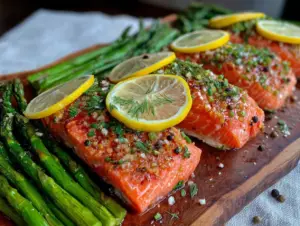
The woman at the fish counter watched me squinting at the salmon fillets, probably looking as lost as I felt. She didn’t say anything at first, just wiped her hands on her apron and waited. Then she pointed at a piece near the back—thick, even, with the skin still on and gleaming. “That one,” she said. “Trust me. You want the crispy skin, you start with the right piece.” I didn’t even know I wanted crispy skin until she said it. We got to talking while she wrapped it up—she told me about a honey glaze her grandmother used to make, just four ingredients, nothing fancy. She wrote it on a scrap of receipt paper. I tucked it in my wallet and honestly forgot about it for two weeks.
Then came a Tuesday night where I had zero energy, a fridge full of nothing, and that single piece of salmon staring at me. I found the scrap of paper, rummaged for honey and soy sauce, and threw it together in a panic. Let me tell you—that first bite almost made me cry. Not because it was some life-changing gourmet thing, but because it was so simple. The skin crackled like glass. The glaze was sticky and salty and sweet all at once. And the whole thing took maybe 20 minutes. I’ve made it every week since. Maybe you’ve been there—standing in your kitchen, tired and hungry, wanting something that feels special but doesn’t ask for much. This salmon is that recipe.
I tweaked her grandmother’s glaze a little over time—added some garlic (because of course), a splash of rice vinegar, a pinch of red pepper flakes. But the heart of it is still hers: quick, honest, and built for a weeknight. It’s the recipe that taught me you don’t need a lot of time or fancy ingredients to make something that feels like a real meal. Just good fish, a hot pan, and a little bit of trust.
Why You’ll Love This Recipe
Let’s be real—most baked salmon recipes promise crispy skin and deliver soggy disappointment. Not this one. I’ve tested this method about a dozen times, tweaking temperatures and timing until that skin shatters when you bite into it. The trick is a combination of high heat, a little patience, and not overcrowding the pan. It works every single time.
- Quick & Easy: From fridge to table in under 25 minutes. No marinating, no complicated steps. Just mix, bake, and eat.
- Simple Ingredients: You probably have honey, soy sauce, and garlic in your kitchen right now. If not, they’re a quick trip to the corner store.
- Perfect for Weeknights: This is the kind of dinner you make when you’re tired but still want something that feels like a real meal. Minimal cleanup too—one bowl, one baking sheet.
- Crowd-Pleaser: Even people who swear they don’t like fish ask for seconds. The sweet-savory glaze wins over skeptics every time.
- Unbelievably Delicious: That contrast between the crackly skin and the tender, flaky fish? Pure comfort food magic.
What makes this recipe different from the dozens of other honey garlic salmon recipes out there? It’s the method. Most recipes bake the salmon with the glaze on top, which steams the skin and turns it rubbery. Here, we start the salmon skin-side down in a hot pan to get a head start on crisping, then finish it in the oven. The glaze goes on at the very end, so it stays glossy and concentrated instead of burning or thinning out. It’s a small shift in technique, but it makes all the difference.
This isn’t just good salmon—it’s the kind that makes you close your eyes after the first bite. It’s comfort food reimagined: faster, simpler, but with the same soul-soothing satisfaction. Perfect for impressing guests without stress, or turning a Tuesday night into something worth looking forward to.
What Ingredients You Will Need
This recipe uses simple, wholesome ingredients to deliver bold flavor and satisfying texture without the fuss. Most of these are pantry staples or easy to find at any grocery store.
- Salmon fillets (4-6 oz each, skin on): Look for fillets that are evenly thick so they cook at the same rate. I prefer wild-caught when I can find it, but good-quality farmed salmon works beautifully too. The skin is non-negotiable here—that’s where the magic happens.
- Honey (3 tablespoons): Use a runny, liquid honey for the glaze. Orange blossom or clover honey adds a lovely floral note, but any kind works. If your honey has crystallized, warm it gently in the microwave for a few seconds.
- Soy sauce (2 tablespoons): Regular soy sauce gives the best balance of saltiness and umami. Low-sodium works too—just add a pinch of salt to the glaze if needed. For a gluten-free version, use tamari or coconut aminos.
- Garlic (3 cloves, minced): Fresh garlic is key here. The jarred stuff works in a pinch, but fresh garlic brings a sharp, aromatic kick that mellows beautifully as it bakes. I recommend grating it on a microplane for the finest texture.
- Rice vinegar (1 tablespoon): This brightens the glaze and cuts through the richness of the salmon. Apple cider vinegar or fresh lime juice can substitute in a pinch.
- Olive oil (1 tablespoon): For brushing the baking sheet and the salmon skin. Avocado oil works too—it has a high smoke point and a neutral flavor.
- Red pepper flakes (¼ teaspoon, optional): Adds a subtle warmth that plays nicely with the sweet honey. Skip it if you’re sensitive to heat, or double it if you like a kick.
- Salt and black pepper: To season the salmon before baking. I use flaky sea salt for the skin—it helps create that crackly texture.
- Sesame seeds and sliced green onions (for garnish): Totally optional, but they add a nice pop of color and a little extra flavor. Toasted sesame seeds are especially good here.
I personally recommend using a brand like Bragg’s for the soy sauce or tamari—it has a clean, balanced flavor that doesn’t overpower the honey. For the honey, Nature Nate’s is my go-to for its consistent quality and mild taste. And if you can find it, Patagonia Provisions has some of the best wild-caught salmon I’ve ever cooked with.
Equipment Needed
You don’t need a lot of fancy tools for this recipe, which is part of why I love it. Here’s what you’ll need:
- Oven-safe skillet or baking sheet: A cast-iron skillet is ideal because it gets screaming hot and holds heat evenly. But any oven-safe pan works—stainless steel, carbon steel, even a heavy-duty baking sheet lined with foil. Just make sure it has a rim to catch any glaze drips.
- Small bowl: For mixing the glaze. Any small bowl or ramekin works—I use a little ceramic one I picked up at a flea market.
- Whisk or fork: To combine the glaze ingredients. A fork works perfectly fine if you don’t have a whisk.
- Fish spatula: This is my secret weapon for flipping salmon without breaking it. The thin, angled head slides right under the skin. If you don’t have one, a regular spatula works—just be extra gentle.
- Paper towels: For patting the salmon dry. This step is crucial for crispy skin, so don’t skip it.
- Instant-read thermometer (optional but helpful): Salmon is perfectly cooked at 125°F to 130°F in the thickest part. I use a Thermapen and it’s never let me down.
If you’re on a budget, don’t stress about the cast-iron skillet. A regular baking sheet lined with parchment paper works just fine—the skin might not get quite as crispy, but it’ll still be delicious. And honestly, I’ve made this recipe in a flimsy nonstick pan and it turned out great. The technique matters more than the tool.
Preparation Method
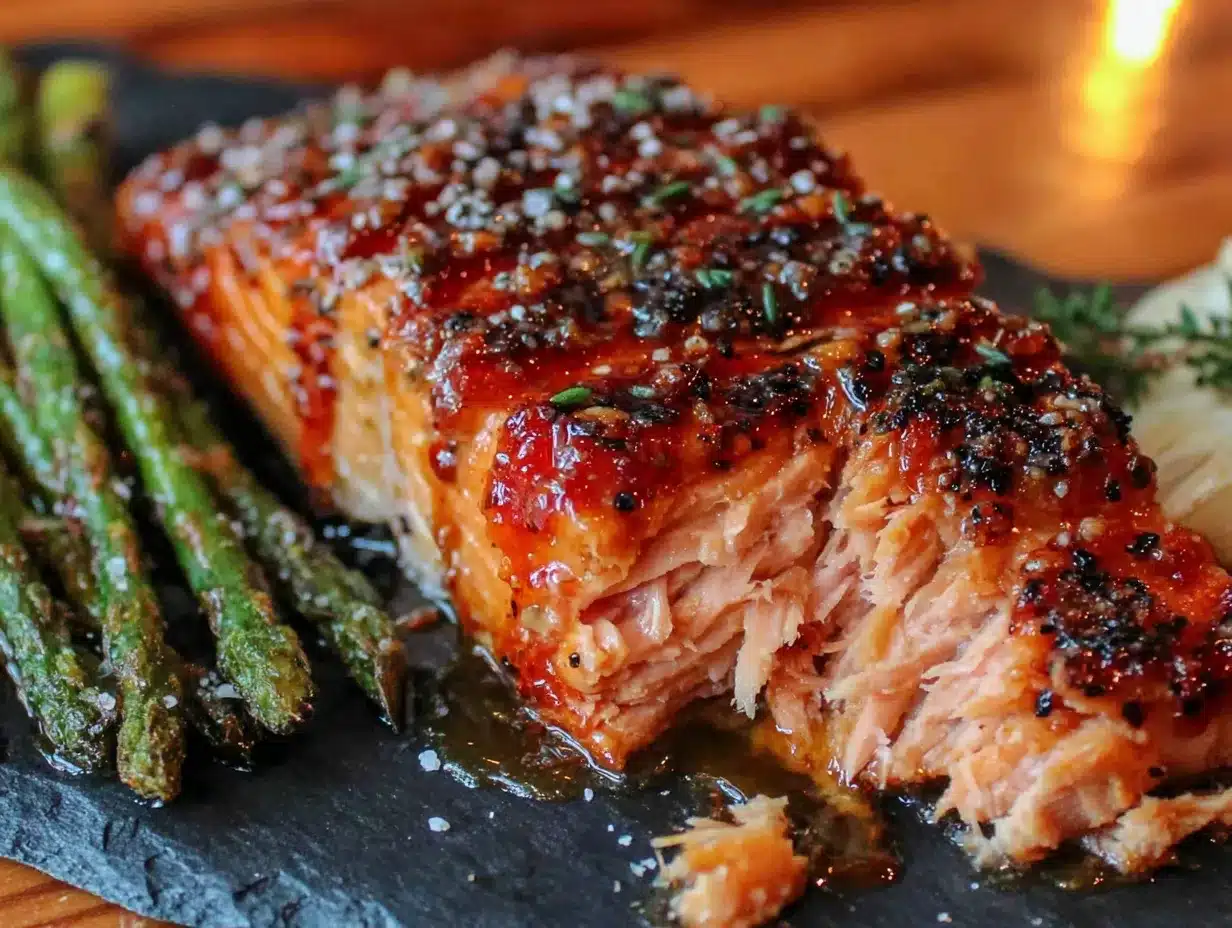
Alright, let’s get cooking. This comes together fast, so I like to have everything prepped before I turn on the heat. Trust me on this—once that salmon hits the pan, you won’t have time to mince garlic.
Step 1: Preheat and prep. Preheat your oven to 425°F (220°C). While it’s heating, take the salmon out of the fridge and let it sit at room temperature for about 10 minutes. This helps it cook more evenly. Pat the fillets dry with paper towels—really get in there. Moisture is the enemy of crispy skin. Season both sides generously with salt and a little black pepper.
Step 2: Make the glaze. In your small bowl, whisk together the honey, soy sauce, minced garlic, rice vinegar, and red pepper flakes (if using). Set it aside. The glaze will look thin now, but it’ll thicken up as it bakes.
Step 3: Heat the pan. Place your oven-safe skillet over medium-high heat and add the olive oil. Let it get hot—you want it shimmering, almost smoking. A drop of water should sizzle and evaporate instantly. This takes about 2 minutes. Don’t rush this step; a hot pan is what gives you that crackly skin.
Step 4: Sear the salmon. Place the salmon fillets in the pan skin-side down. Press them gently with the spatula for a few seconds to ensure even contact. Let them cook undisturbed for 3 to 4 minutes. You’ll see the edges of the skin turning golden and crispy. Don’t peek or move them—just let the heat do its thing. The fish will start to cook from the bottom up, and the flesh will turn opaque about a third of the way up.
Step 5: Brush with glaze and bake. Using a pastry brush or the back of a spoon, brush a generous layer of the honey garlic glaze over the tops and sides of the fillets. Don’t worry about the skin side—it’s already crispy and the glaze would just make it soggy. Transfer the skillet to the preheated oven. Bake for 8 to 10 minutes, depending on the thickness of your fillets. For 1-inch thick fillets, 9 minutes is usually perfect. The salmon should flake easily with a fork but still look slightly translucent in the center—it will continue cooking from residual heat.
Step 6: Glaze again and broil (optional but amazing). Remove the skillet from the oven. Brush another layer of glaze over the fillets. If you want extra caramelization, switch the oven to broil and place the skillet back in for 1 to 2 minutes. Watch it closely—the sugar in the honey can burn fast. You’re looking for bubbly, golden spots on the glaze.
Step 7: Rest and serve. Let the salmon rest in the pan for 2 minutes. This allows the juices to redistribute. Sprinkle with sesame seeds and sliced green onions if you’re using them. Serve immediately with rice, roasted vegetables, or a simple green salad.
One thing I learned the hard way—don’t overcrowd the pan. If you’re cooking more than two fillets, use a second pan or work in batches. Crowding traps steam and ruins that crispy skin. Also, if your fillets are different thicknesses, check the thinner ones a minute or two early. Nobody likes overcooked salmon.
Cooking Tips & Techniques
I’ve made this recipe enough times to learn a few things the hard way. Here are the tips that actually matter:
Dry the skin thoroughly. I cannot stress this enough. Even a little moisture will steam the skin instead of crisping it. Pat the salmon dry, then let it sit uncovered in the fridge for 10 minutes if you have time. The drier the surface, the better the sear.
Don’t move the fish too early. When you first put the salmon in the pan, it will stick. That’s normal. Let it cook until the skin releases naturally—usually after 3 to 4 minutes. If you try to flip it too soon, the skin will tear. I’ve made that mistake more times than I’d like to admit.
Watch the sugar. Honey burns quickly at high heat. That’s why we add the glaze after the initial sear, not before. And if you’re broiling at the end, keep your eyes on it. I once got distracted and ended up with a smoky kitchen and a very sad dinner.
Use a thermometer for consistency. Salmon is perfectly cooked at 125°F to 130°F. If you don’t have a thermometer, look for the visual cues—the flesh should be opaque and flake easily, but still look moist. Overcooked salmon is dry and mealy, and there’s no coming back from that.
Timing is everything. I like to start my rice or vegetables first, then cook the salmon while the sides finish. That way everything comes together at the same time. If you’re making roasted vegetables, toss them in the oven 10 minutes before the salmon goes in.
Let it rest. I know it’s tempting to dig in right away, but that 2-minute rest makes a difference. The juices redistribute, the glaze sets, and the salmon stays tender instead of falling apart on your plate.
Variations & Adaptations
This recipe is incredibly flexible. Here are some ways to make it your own:
Spicy Honey Garlic Salmon: Double the red pepper flakes, or add a teaspoon of sriracha or gochujang to the glaze. The heat balances the sweetness beautifully. I made this version for a friend who loves spicy food, and she asked for the recipe before she finished eating.
Lemon Herb Version: Replace the rice vinegar with fresh lemon juice and add a teaspoon of dried thyme or oregano to the glaze. Finish with a squeeze of lemon before serving. This is my go-to when I want something brighter and more refreshing.
Maple Soy Variation: Swap the honey for maple syrup and add a teaspoon of grated ginger to the glaze. The maple gives a deeper, earthier sweetness that pairs wonderfully with the soy. I tried this during a fall dinner and it was an instant hit.
Air Fryer Method: Preheat your air fryer to 400°F. Pat the salmon dry, season it, and place it skin-side down in the basket. Cook for 6 minutes, brush with glaze, then cook for another 2 to 3 minutes. The skin gets incredibly crispy in the air fryer—almost like fried fish.
Dairy-Free and Gluten-Free: This recipe is naturally dairy-free. For gluten-free, just use tamari or coconut aminos instead of soy sauce. It’s that simple.
Low-Sugar Option: Reduce the honey to 2 tablespoons and add a tablespoon of brown sugar substitute (like Swerve) to maintain the sticky texture. The glaze won’t caramelize quite as much, but it’ll still be delicious.
Serving & Storage Suggestions
This salmon is best served fresh, right out of the oven, when the skin is at its crispiest and the glaze is still glossy. But let’s talk about how to make the most of it.
Serving Temperature: Serve the salmon hot, straight from the pan. If you’re making it ahead for a crowd, keep it warm in a 200°F oven for up to 20 minutes, but don’t leave it longer or the skin will soften.
What to Serve With It: I love this salmon over a bed of steamed jasmine rice or coconut rice—the glaze soaks into the rice and makes every bite amazing. Roasted asparagus, broccoli, or green beans are perfect on the side. A simple cucumber salad with rice vinegar and sesame seeds also cuts through the richness beautifully. For a low-carb option, serve it on a bed of mixed greens with a light vinaigrette.
Storage: Leftover salmon keeps in an airtight container in the fridge for up to 3 days. The skin will lose its crispiness, but the flavor is still fantastic. I wouldn’t recommend freezing cooked salmon—the texture changes too much.
Reheating: The best way to reheat is in a skillet over medium heat with a splash of water or extra glaze. Cover the pan and let it steam for 2 to 3 minutes. The microwave works in a pinch, but it will dry out the fish and make the skin rubbery. If you have an air fryer, reheat at 350°F for 3 minutes—it brings back some of the crispiness.
How Flavors Develop: The glaze intensifies overnight. I actually love cold leftover salmon flaked over a salad the next day. The honey garlic flavor gets even more pronounced, and it’s a completely different but equally delicious experience.
Nutritional Information & Benefits
Here’s the approximate nutritional breakdown for one serving (one 6-ounce fillet with glaze, without sides):
| Nutrient | Amount per Serving |
|---|---|
| Calories | 380 |
| Protein | 34g |
| Fat | 18g |
| Saturated Fat | 3.5g |
| Carbohydrates | 18g |
| Sugar | 17g |
| Sodium | 620mg |
| Omega-3 Fatty Acids | 2.5g |
Salmon is one of the best sources of omega-3 fatty acids, which support heart health, brain function, and reduce inflammation. The honey provides quick energy, while the garlic offers immune-boosting properties. This recipe is naturally gluten-free (with tamari) and dairy-free. It’s also relatively low in saturated fat compared to other protein sources like beef or pork.
From a wellness perspective, I love that this recipe feels indulgent but is actually quite nutritious. It’s the kind of meal that satisfies a craving for something sweet and savory without derailing your health goals. And because it’s so quick to make, you’re less likely to reach for takeout on a busy night.
Dietary Considerations: This recipe is dairy-free, egg-free, and can be made gluten-free with a simple swap. It’s also suitable for pescatarian and Mediterranean diets. If you’re watching your sodium, use low-sodium soy sauce and reduce the added salt.
Conclusion
This quick honey garlic baked salmon with crispy skin has become my weeknight hero. It’s fast enough for a Tuesday when you’re exhausted, but impressive enough for a dinner party when you want to look like you tried harder than you did. The contrast between the crackly skin and the tender, flaky fish, all coated in that sticky-sweet glaze—it’s the kind of meal that makes you slow down and actually taste what you’re eating.
I hope you give this recipe a try, and I hope you make it your own. Maybe you’ll add more garlic, or swap the honey for maple, or serve it over noodles instead of rice. That’s the beauty of a simple recipe—it leaves room for you to play. And if you do make it, I’d love to hear how it turns out. Drop a comment below, share your twist, or tag me in your photos. This recipe came to me from a stranger at a fish counter, and now it’s yours. That’s the thing about good food—it’s meant to be passed on.
Frequently Asked Questions
Can I use frozen salmon for this recipe?
Yes, but you need to thaw it completely first. Pat it very dry—frozen salmon holds more moisture, so be extra thorough. The cooking time might also be slightly longer if the fillets are thicker.
How do I know when the salmon is done?
The best way is with an instant-read thermometer—125°F to 130°F in the thickest part. Without a thermometer, look for the flesh to turn opaque and flake easily with a fork. It should still look moist, not dry or stringy.
Can I make the glaze ahead of time?
Absolutely. Mix the glaze up to 3 days in advance and store it in the fridge. Let it come to room temperature before using, or warm it slightly to make it easier to brush on.
Why is my salmon skin not crispy?
Most likely one of three things: the skin wasn’t dried enough, the pan wasn’t hot enough, or you moved the fish too early. Make sure to pat the salmon very dry, preheat your pan until it’s shimmering, and let the skin cook undisturbed for at least 3 minutes.
Can I cook this on the stovetop only, without the oven?
Yes! After searing the skin-side down for 3 to 4 minutes, flip the salmon, brush with glaze, and cook for another 3 to 4 minutes over medium heat. The skin won’t be quite as crispy, and you’ll need to watch the glaze so it doesn’t burn, but it works in a pinch.
Pin This Recipe!
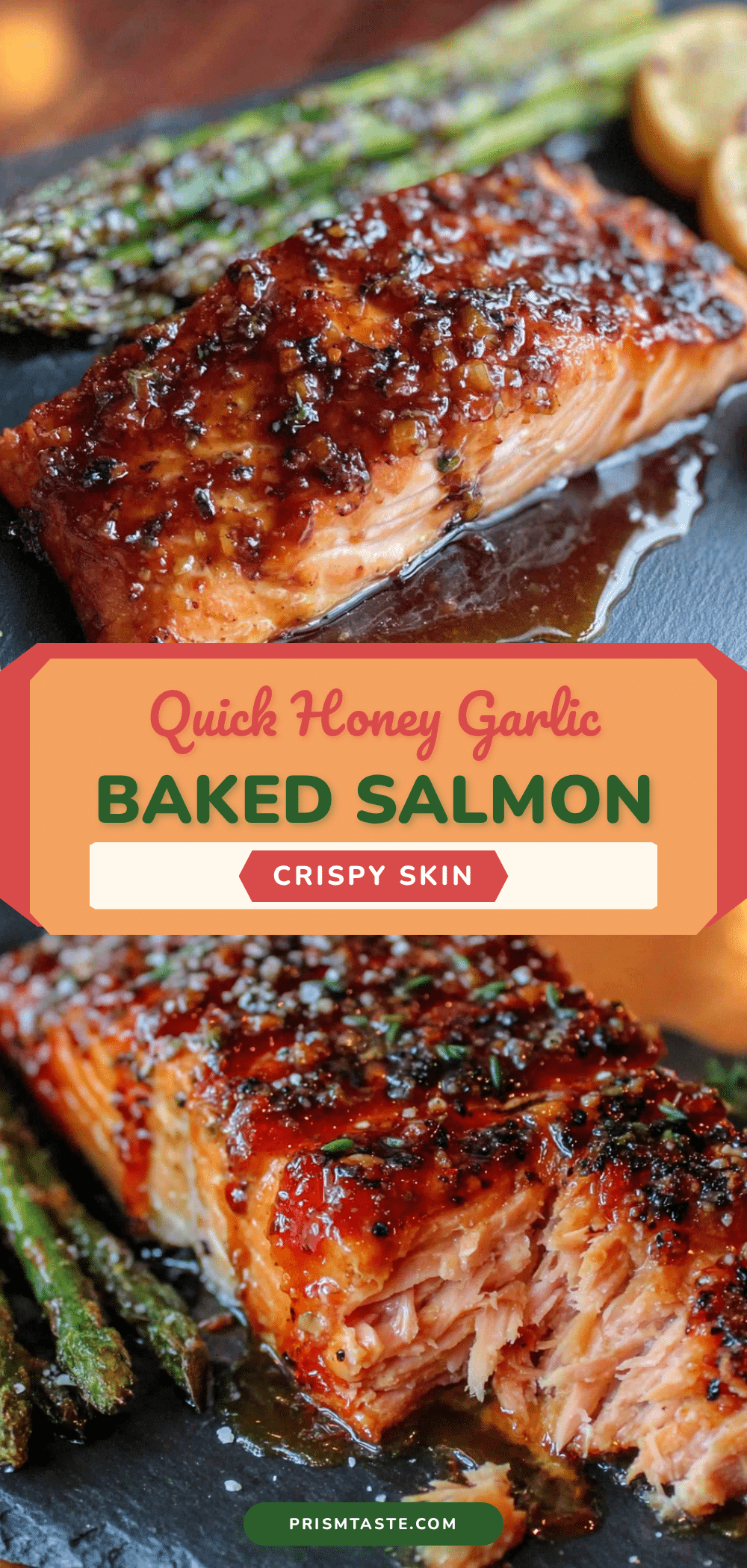
Easy Honey Garlic Baked Salmon with Crispy Skin
This quick and easy honey garlic baked salmon delivers perfectly crispy skin and tender, flaky fish in under 25 minutes. A simple, sweet-savory glaze made with pantry staples makes it a perfect weeknight dinner that feels special.
- Prep Time: 10 minutes
- Cook Time: 12 minutes
- Total Time: 22 minutes
- Yield: 4 servings 1x
- Category: Main Course
- Cuisine: American
Ingredients
- 4 salmon fillets (4–6 oz each, skin on)
- 3 tablespoons honey
- 2 tablespoons soy sauce (or tamari for gluten-free)
- 3 cloves garlic, minced
- 1 tablespoon rice vinegar
- 1 tablespoon olive oil
- 1/4 teaspoon red pepper flakes (optional)
- Salt and black pepper to taste
- Sesame seeds and sliced green onions for garnish (optional)
Instructions
- Preheat oven to 425°F (220°C). Let salmon sit at room temperature for 10 minutes. Pat fillets dry with paper towels and season both sides with salt and pepper.
- In a small bowl, whisk together honey, soy sauce, minced garlic, rice vinegar, and red pepper flakes (if using). Set aside.
- Heat olive oil in an oven-safe skillet over medium-high heat until shimmering (about 2 minutes).
- Place salmon fillets skin-side down in the hot pan. Press gently with a spatula for a few seconds. Cook undisturbed for 3-4 minutes until skin is golden and crispy.
- Brush a generous layer of glaze over the tops and sides of the fillets. Transfer skillet to the preheated oven and bake for 8-10 minutes, depending on thickness (9 minutes for 1-inch thick fillets).
- Remove skillet from oven. Brush another layer of glaze over fillets. Optional: broil for 1-2 minutes until glaze is bubbly and caramelized, watching closely to prevent burning.
- Let salmon rest in the pan for 2 minutes. Sprinkle with sesame seeds and green onions if desired. Serve immediately.
Notes
For extra crispy skin, pat salmon dry and let it sit uncovered in the fridge for 10 minutes before cooking. Don’t overcrowd the pan—cook in batches if needed. The glaze can be made up to 3 days ahead. Leftovers keep in the fridge for up to 3 days; reheat in a skillet with a splash of water or extra glaze.
Nutrition
- Serving Size: 1 fillet (6 oz) with
- Calories: 380
- Sugar: 17
- Sodium: 620
- Fat: 18
- Saturated Fat: 3.5
- Carbohydrates: 18
- Protein: 34
Keywords: honey garlic salmon, baked salmon, crispy skin salmon, easy salmon recipe, weeknight dinner, healthy salmon, gluten-free salmon, dairy-free salmon