I figured honeynut squash soup would be just another butternut squash soup with a fancier name. It took about one spoonful for that assumption to completely fall apart.
The first thing that hit me was the color — not that pale orange you get from squash that’s been sitting around too long, but this deep, almost sunset-in-a-bowl kind of gold. I’d picked up a few honeynut squashes at the farmers market on a whim, mostly because they were cute (let’s be honest, they’re adorable), and I had no real plan for them. They sat on my counter for a few days, getting even more orange, practically begging to be roasted.
I roasted them simply — halved, seeded, a drizzle of olive oil, salt, and pepper. That’s when the magic happened. The smell that filled my kitchen was different from regular squash. It was richer, almost caramelized, with a sweetness that felt more concentrated and somehow nuttier. I scraped the flesh out (it’s so much easier to work with than butternut, by the way) and blended it with some sautéed onion, garlic, a little fresh ginger, and some good vegetable broth. The result was this velvety, naturally sweet soup that didn’t need any cream to be creamy. I added a splash of coconut milk at the end for good measure, and topped it with toasted pepitas for crunch.
This creamy honeynut squash soup has become my go-to for those chilly afternoons when I need something that feels like a warm hug but doesn’t take all day to make. It’s the kind of soup that makes you slow down and actually taste what you’re eating — no distractions, just pure comfort.
Why You’ll Love This Recipe
This isn’t just another squash soup recipe. After testing this about five times (someone had to do it), I can confidently say this version is the one you’ll come back to. Here’s why it works so well:
- Naturally Creamy Without Heavy Cream : The honeynut squash itself is so velvety when roasted that you don’t need to add any dairy to get that luxurious texture. A little coconut milk rounds it out beautifully, but it’s completely optional.
- Simple Ingredients, Big Flavor : You probably have most of these ingredients already — onion, garlic, ginger, broth, and olive oil. The squash is the star, and it does all the heavy lifting.
- Perfect for Meal Prep : This soup actually gets better after a day in the fridge. Make a big batch on Sunday and enjoy it all week. It freezes beautifully too, so you can stash some for later.
- Naturally Gluten-Free and Vegan : No modifications needed here. This soup is plant-based as written, which makes it perfect for sharing with guests who have dietary restrictions.
- Comfort Food That’s Actually Good for You : Honeynut squash is packed with vitamin A, fiber, and antioxidants. You get all the cozy feelings without the food coma.
I’ve made this soup for friends who swore they didn’t like squash soup, and they went back for seconds. There’s something about that roasted, caramelized flavor that just hits differently. It’s not trying to be fancy — it’s just really, really good.
What Ingredients You Will Need
This recipe keeps things simple with ingredients that work together to build deep, layered flavor. The honeynut squash is the star, but each component plays an important supporting role.
For the Soup Base
- 3-4 medium honeynut squashes (about 2 pounds total) — Look for squashes that feel heavy for their size with deep orange skin. The smaller ones are sweeter. You can also use butternut squash if you can’t find honeynut, but the flavor won’t be quite as concentrated.
- 2 tablespoons olive oil, plus more for roasting — I use a good quality extra virgin here. It adds a subtle fruitiness that works well with the squash.
- 1 medium yellow onion, roughly chopped — About 1 cup. The onion provides the savory backbone that balances the squash’s sweetness.
- 3 cloves garlic, smashed — Smashed, not minced, because they’ll get blended anyway. This saves you a step.
- 1 tablespoon fresh ginger, peeled and grated — This is my secret ingredient. It adds warmth without being spicy and brightens the whole soup. Don’t skip it.
- 4 cups vegetable broth — Use a good quality broth here. I like the brand Better Than Bouillon for its rich flavor. Low-sodium is best so you can control the salt.
- 1/2 cup full-fat coconut milk — This adds creaminess and a subtle richness. You can use light coconut milk, but the soup won’t be as velvety. For a non-coconut option, try cashew cream or even a splash of heavy cream if you’re not dairy-free.
- Salt and freshly ground black pepper, to taste
- Pinch of cayenne pepper (optional) — Just a tiny pinch to wake up all the flavors. You won’t taste heat, I promise.
For the Toasted Pepitas
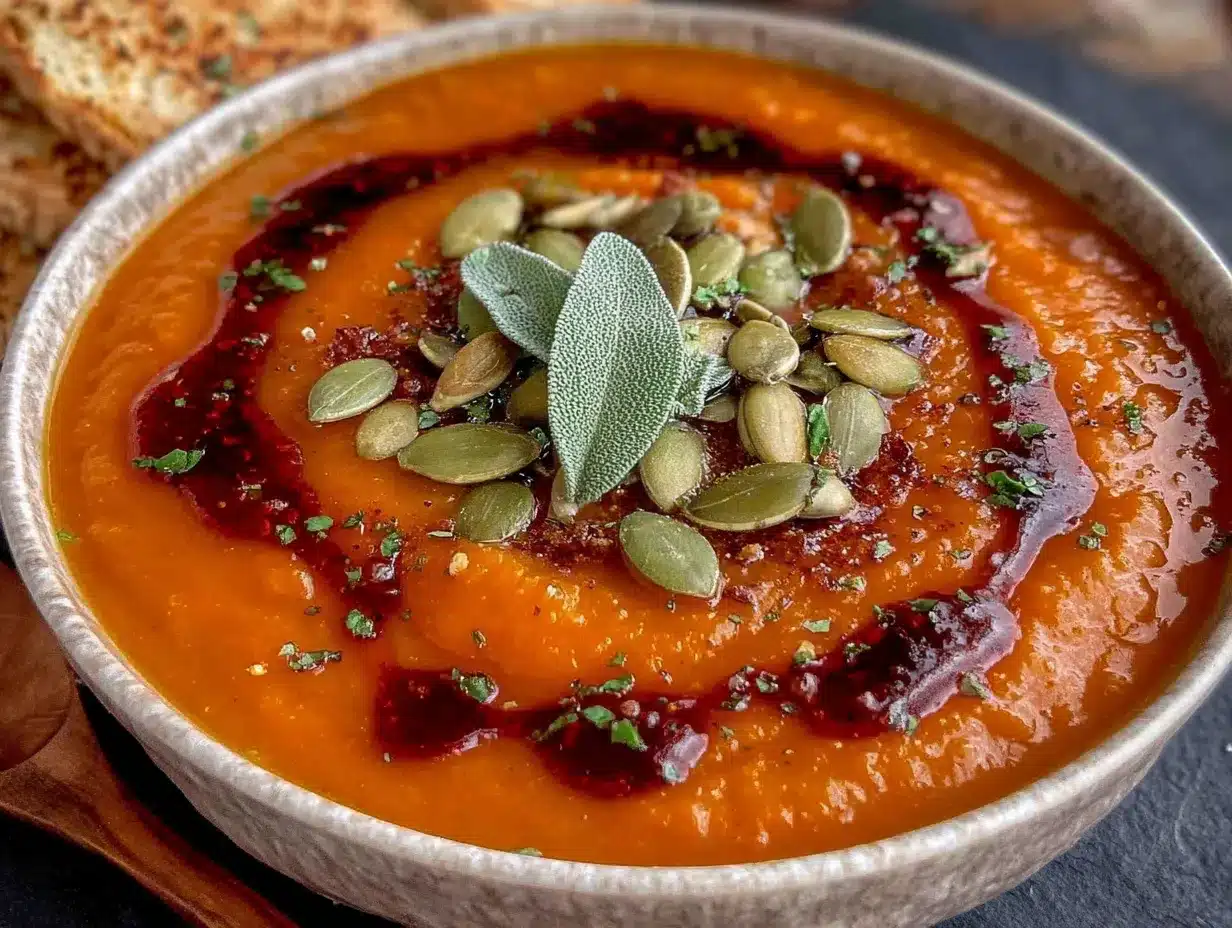
- 1/3 cup raw pepitas (pumpkin seeds) — Hulled ones work best here. They toast up quickly and add that perfect crunch.
- 1 teaspoon olive oil
- Pinch of salt
- Pinch of smoked paprika (optional) — This adds a subtle smokiness that pairs beautifully with the sweet squash.
Equipment Needed
You don’t need a fancy kitchen to make this soup. Here’s what you’ll actually use:
- Baking sheet — For roasting the squash. A rimmed baking sheet works best to catch any juices.
- Large soup pot or Dutch oven — I use my 5.5-quart Le Creuset Dutch oven for this, but any heavy-bottomed pot will work. The key is even heat distribution.
- Immersion blender — This is my preferred tool for blending hot soup directly in the pot. No messy transfers, no burned fingers. If you don’t have one, a regular blender works fine — just work in batches and be careful with the hot liquid.
- Sharp knife and cutting board — Honeynut squashes are smaller than butternut, but they’re still tough. A sharp knife makes the job much safer and easier.
- Small skillet — For toasting the pepitas. Any small pan will do.
- Measuring cups and spoons
If you’re using a regular blender, let the soup cool slightly before blending, and never fill the blender more than halfway. Remove the center cap from the lid and cover it with a kitchen towel to let steam escape. Trust me on this — hot soup explosions are not fun to clean up.
Preparation Method
- Preheat your oven to 400°F (200°C). While it’s heating up, carefully cut each honeynut squash in half lengthwise. The skin is thin enough that you can eat it, but for soup, we’re just scooping out the flesh. Use a sturdy spoon to scrape out the seeds and stringy bits. Don’t throw those seeds away — you can roast them just like pumpkin seeds for a snack.
- Place the squash halves cut-side up on a baking sheet. Drizzle with olive oil and season with salt and pepper. Rub the oil all over the cut surfaces. Flip them cut-side down — this helps them steam as they roast and keeps them moist. Roast for 30-40 minutes, until the flesh is fork-tender and the edges are starting to caramelize. The skin will look wrinkled and slightly blistered. That’s exactly what you want.
- While the squash roasts, start the aromatics. Heat 2 tablespoons of olive oil in your large pot over medium heat. Add the chopped onion and cook for 5-7 minutes, stirring occasionally, until it’s translucent and starting to get golden edges. Add the smashed garlic and grated ginger, and cook for another minute until fragrant. Don’t let the garlic burn — it turns bitter fast.
- When the squash is done, let it cool for a few minutes. It should be cool enough to handle but still warm. Scoop the flesh out with a spoon — it should come away from the skin easily. Discard the skins (or compost them if you’re that kind of person — I aspire to be).
- Add the roasted squash to the pot with the onions, garlic, and ginger. Pour in the vegetable broth and stir everything together. Bring the soup to a gentle simmer over medium-high heat, then reduce the heat to low and let it cook for about 10 minutes. This gives all the flavors time to get to know each other.
- Now for the blending part. If you’re using an immersion blender, simply blend the soup right in the pot until it’s completely smooth. This takes about 2 minutes. If you’re using a regular blender, work in batches. Fill the blender no more than halfway, hold the lid down with a kitchen towel, and blend until smooth. Pour each batch into a clean bowl or pot as you go.
- Stir in the coconut milk and season with salt, pepper, and a tiny pinch of cayenne if you’re using it. Taste and adjust — this is the most important step. You might want more salt, or a little more ginger. Trust your taste buds here.
- While the soup finishes, make the toasted pepitas. Heat a small skillet over medium heat. Add the pepitas and toast them dry for about 2 minutes, shaking the pan frequently. When they start to pop and smell nutty, drizzle in the olive oil, add the salt and smoked paprika if using, and toss to coat. Cook for another 30 seconds, then remove from the heat immediately. They burn fast, so don’t walk away.
- Ladle the soup into bowls, top with a generous sprinkle of toasted pepitas, and maybe a drizzle of extra coconut milk if you’re feeling fancy. Serve hot.
The whole process takes about an hour, but most of that is hands-off roasting time. You can easily do other things while the squash is in the oven.
Cooking Tips & Techniques
After making this soup more times than I can count, I’ve picked up a few tricks that make a real difference. Here are the ones I wish I’d known from the start:
Roast the squash cut-side down. This is non-negotiable. When the cut side is down, the squash essentially steams in its own juices while the outside caramelizes. The result is flesh that’s tender and sweet, not dried out. I learned this the hard way after making a batch of dried-out, stringy squash that made for a sad soup.
Don’t skip the ginger. I know it seems like an optional extra, but it’s really not. The ginger adds a brightness that cuts through the squash’s sweetness and keeps the soup from feeling heavy. Fresh ginger is best — the ground stuff doesn’t have the same zing.
Taste and adjust at the end. This is the most important cooking tip I can give you. The amount of salt you need will depend on your broth, your squash, and your personal preference. Start with less, taste, and add more. You can always add salt, but you can’t take it away.
For the silkiest texture, blend longer than you think you need to. A full 2-3 minutes with an immersion blender will give you that velvety, restaurant-quality consistency. If you’re using a regular blender, blend each batch for a full minute on high.
Make the pepitas while the soup simmers. This is a great multitasking moment. The pepitas only take about 3 minutes total, so you can do them right when the soup is almost done. Freshly toasted pepitas make all the difference — they’re warm, crunchy, and infinitely better than the stale ones you’d buy pre-toasted.
One mistake I made early on was adding too much liquid. Start with 4 cups of broth and see how the consistency feels after blending. You can always add more to thin it out, but you can’t undo a watery soup. The soup should be thick enough to coat the back of a spoon but still pourable.
Variations & Adaptations
This recipe is pretty forgiving, so feel free to play around with it. Here are some variations I’ve tried and loved:
Spicy version: Add a chopped jalapeño (seeds removed unless you want real heat) when you sauté the onions. The heat pairs beautifully with the sweet squash. I made this version for a friend who loves spicy food, and she said it was the best soup she’d ever had. High praise.
Curried squash soup: Stir in 1-2 tablespoons of curry powder along with the garlic and ginger. The warm spices — cumin, coriander, turmeric — complement the squash perfectly. Top with a dollop of yogurt and some fresh cilantro for a completely different but equally delicious soup.
Make it heartier: Add a can of drained and rinsed chickpeas after blending. They add protein and texture, turning the soup into a full meal. You can also stir in some cooked quinoa or brown rice for extra staying power.
Dairy version: If you’re not avoiding dairy, swap the coconut milk for heavy cream or half-and-half. The soup will be even richer and more decadent. I’ve done this for holiday dinners and it’s always a hit.
Different squash options: If you can’t find honeynut squash, butternut squash works perfectly. You might need to roast it a little longer since butternut is denser. Kabocha squash is another great option — it’s naturally sweet and creamy. The flavor will be slightly different, but the soup will still be delicious.
If you’re feeling adventurous, try adding a roasted apple to the mix. Just core a Honeycrisp or Granny Smith, wrap it in foil, and roast it alongside the squash. The apple adds a subtle fruity sweetness that’s absolutely lovely.
Serving & Storage Suggestions
This soup is best served hot, straight from the pot. Ladle it into warmed bowls (just run them under hot water and dry them off — it makes a surprising difference) and top with the toasted pepitas. A drizzle of coconut milk or a swirl of yogurt on top looks beautiful and adds a touch of richness.
What to serve alongside: A crusty piece of sourdough bread is my go-to. The tangy bread is perfect for dipping. A simple green salad with a lemony vinaigrette balances the soup’s richness. If you’re serving this as a main course, try pairing it with our cozy crockpot fall harvest chicken stew for a comforting fall dinner spread.
Storage: This soup keeps beautifully in the refrigerator for up to 5 days. Store it in an airtight container. The flavors actually meld and deepen over time, so day-two soup is even better than day-one soup. I often make a double batch just so I have leftovers.
Freezing: This soup freezes like a dream. Let it cool completely, then transfer it to freezer-safe containers or zip-top bags. Leave a little room for expansion. It will keep for up to 3 months. Thaw overnight in the refrigerator before reheating.
Reheating: Reheat gently on the stovetop over medium-low heat, stirring occasionally. You might need to add a splash of broth or water to thin it out, as the soup will thicken as it sits. You can also reheat individual portions in the microwave — just do it in 30-second bursts, stirring between each.
The toasted pepitas are best added just before serving. They’ll lose their crunch if you store them in the soup. Keep them in a separate container at room temperature for up to a week.
Nutritional Information & Benefits
Here’s the estimated nutritional breakdown for one serving (about 1.5 cups, without the pepitas):
| Nutrient | Amount per Serving |
|---|---|
| Calories | 220 |
| Total Fat | 12g |
| Saturated Fat | 5g |
| Carbohydrates | 28g |
| Fiber | 6g |
| Sugar | 10g |
| Protein | 4g |
| Vitamin A | 450% DV |
| Vitamin C | 35% DV |
| Potassium | 850mg |
Honeynut squash is a nutritional powerhouse. It’s loaded with beta-carotene (which your body converts to vitamin A), fiber for digestive health, and antioxidants that help fight inflammation. The ginger adds anti-inflammatory benefits, and the pepitas provide healthy fats, magnesium, and zinc.
This soup is naturally gluten-free, dairy-free, and vegan. It’s also relatively low in calories for how satisfying it is, which makes it a great option if you’re watching your intake but still want something that feels indulgent.
One thing I love about this recipe is that it doesn’t feel like “health food.” It’s just good food that happens to be good for you. That’s my favorite kind of cooking.
Frequently Asked Questions
Can I use butternut squash instead of honeynut squash?
Absolutely. Honeynut squash is smaller and sweeter than butternut, but butternut works perfectly as a substitute. You might need to roast it a bit longer — about 45-50 minutes instead of 30-40. The flavor will be slightly less concentrated, so you might want to add a teaspoon of maple syrup or honey to boost the sweetness.
Can I make this soup ahead of time?
Yes, and I actually recommend it. This soup tastes even better the next day after the flavors have had time to meld. Make it up to 3 days ahead and store it in the refrigerator. Reheat gently on the stovetop, adding a splash of broth if it’s too thick.
How do I make this soup thicker or thinner?
For a thicker soup, use less broth — start with 3 cups instead of 4. You can also let the soup simmer longer after blending to reduce it. For a thinner soup, add more broth or water until it reaches your desired consistency. Remember, you can always add more liquid, but you can’t take it out.
Can I freeze this soup?
Yes, this soup freezes beautifully. Let it cool completely, then transfer it to freezer-safe containers. Leave about an inch of headspace for expansion. It will keep for up to 3 months. Thaw overnight in the refrigerator and reheat gently on the stovetop.
What can I use instead of coconut milk?
If you’re not a fan of coconut milk, you have several options. Heavy cream or half-and-half will give you a rich, dairy-based soup. Cashew cream (soaked cashews blended with water) is a great dairy-free alternative. Even a splash of plain yogurt will work in a pinch. For a lighter option, you can skip the creamy element altogether — the roasted squash is naturally creamy on its own.
Conclusion
This creamy honeynut squash soup has become one of those recipes I turn to again and again. It’s simple enough for a weekday dinner but special enough to serve to guests. The roasted squash does all the heavy lifting, giving you that deep, caramelized flavor without any fuss. And those toasted pepitas on top? They add the perfect crunch that makes every spoonful interesting.
What I love most about this soup is how adaptable it is. You can dress it up with a swirl of cream and fancy toppings, or you can keep it simple with just the pepitas and a good piece of bread. It works either way. If you’re in the mood for more cozy fall soups, try our cozy creamy roasted tomato fall soup with garlic and basil or the cozy slow cooker fall harvest vegetable soup for more seasonal inspiration.
I’d love to hear how yours turns out. Did you add any twists? Did you serve it with something amazing? Drop a comment below and let me know. And if you share it on social media, tag me — I always love seeing your creations. Happy cooking!
Pin This Recipe!
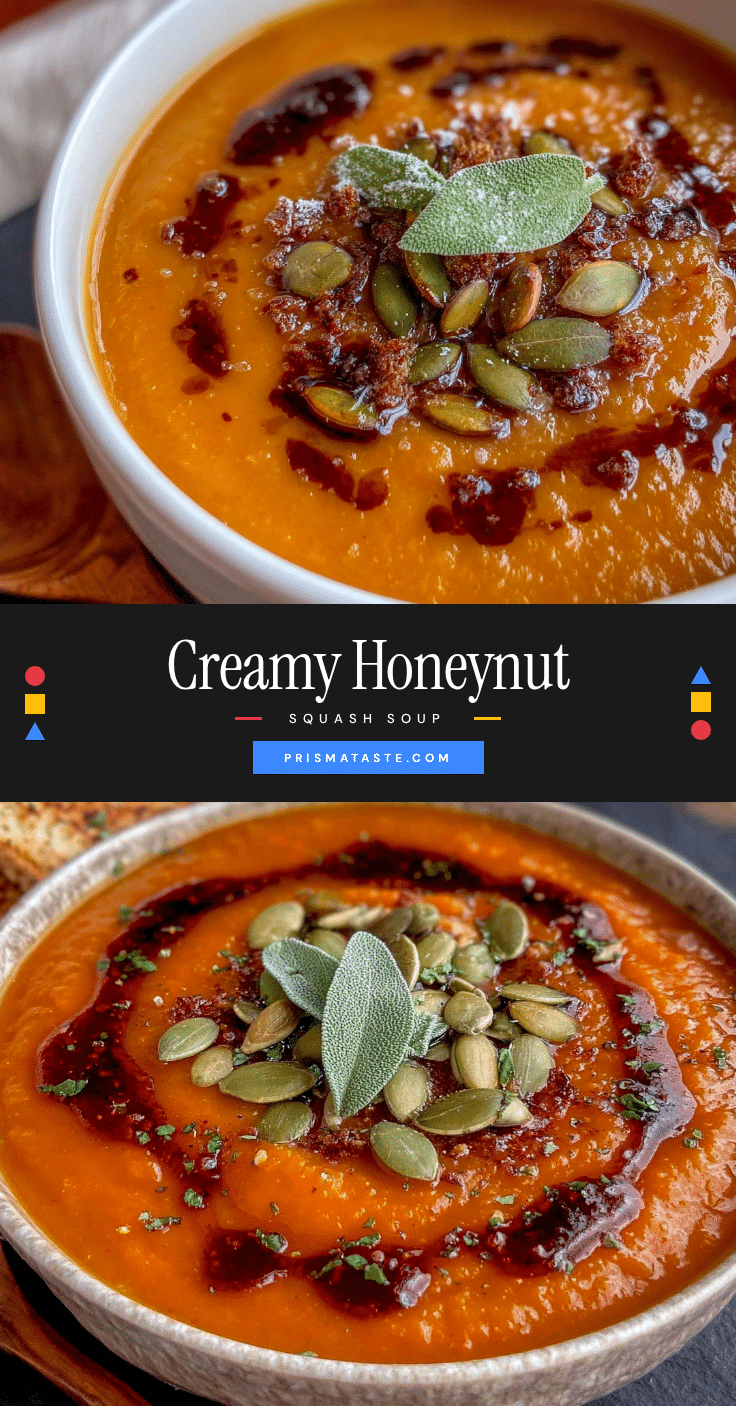
Creamy Honeynut Squash Soup with Toasted Pepitas

This creamy honeynut squash soup is velvety, naturally sweet, and doesn’t need any cream to be creamy. Topped with toasted pepitas for crunch, it’s the perfect cozy soup for chilly afternoons.
- Prep Time: 15 minutes
- Cook Time: 40 minutes
- Total Time: 55 minutes
- Yield: 4 servings 1x
- Category: Soup
- Cuisine: American
Ingredients
- 3–4 medium honeynut squashes (about 2 pounds total)
- 2 tablespoons olive oil, plus more for roasting
- 1 medium yellow onion, roughly chopped
- 3 cloves garlic, smashed
- 1 tablespoon fresh ginger, peeled and grated
- 4 cups vegetable broth
- 1/2 cup full-fat coconut milk
- Salt and freshly ground black pepper, to taste
- Pinch of cayenne pepper (optional)
- 1/3 cup raw pepitas (pumpkin seeds)
- 1 teaspoon olive oil
- Pinch of salt
- Pinch of smoked paprika (optional)
Instructions
- Preheat your oven to 400°F (200°C). Carefully cut each honeynut squash in half lengthwise. Use a sturdy spoon to scrape out the seeds and stringy bits.
- Place the squash halves cut-side up on a baking sheet. Drizzle with olive oil and season with salt and pepper. Rub the oil all over the cut surfaces. Flip them cut-side down. Roast for 30-40 minutes, until the flesh is fork-tender and the edges are starting to caramelize.
- While the squash roasts, heat 2 tablespoons of olive oil in a large pot over medium heat. Add the chopped onion and cook for 5-7 minutes, stirring occasionally, until translucent and starting to get golden edges. Add the smashed garlic and grated ginger, and cook for another minute until fragrant.
- When the squash is done, let it cool for a few minutes. Scoop the flesh out with a spoon and discard the skins.
- Add the roasted squash to the pot with the onions, garlic, and ginger. Pour in the vegetable broth and stir together. Bring the soup to a gentle simmer over medium-high heat, then reduce the heat to low and let it cook for about 10 minutes.
- Blend the soup until smooth using an immersion blender directly in the pot, or in batches in a regular blender (let cool slightly first, fill no more than halfway, and cover lid with a towel).
- Stir in the coconut milk and season with salt, pepper, and a tiny pinch of cayenne if using. Taste and adjust.
- While the soup finishes, heat a small skillet over medium heat. Add the pepitas and toast them dry for about 2 minutes, shaking the pan frequently. When they start to pop and smell nutty, drizzle in 1 teaspoon olive oil, add salt and smoked paprika if using, and toss to coat. Cook for another 30 seconds, then remove from heat immediately.
- Ladle the soup into bowls, top with a generous sprinkle of toasted pepitas, and optionally drizzle with extra coconut milk. Serve hot.
Notes
Roast the squash cut-side down for best texture. Don’t skip the ginger—it adds brightness. Taste and adjust seasoning at the end. For silkiest texture, blend for 2-3 minutes. Make pepitas while soup simmers. Start with 4 cups broth and adjust consistency after blending.
Nutrition
- Serving Size: 1.5 cups
- Calories: 220
- Sugar: 10
- Sodium: 850
- Fat: 12
- Saturated Fat: 5
- Carbohydrates: 28
- Fiber: 6
- Protein: 4
Keywords: honeynut squash soup, creamy squash soup, vegan soup, gluten-free soup, fall soup, roasted squash soup