There used to be a tiny restaurant tucked behind a bookstore in Portland called The Gilded Onion that made the most incredible pasta I have ever eaten. When they closed suddenly three winters ago, I actually called my mom to complain about it. I mean, I was genuinely upset. Their signature dish was this butternut squash and sage brown butter pasta that I still dream about, and I spent over a year trying to figure out how they did it.
After twelve tries—twelve, honestly, some of them were pretty sad—I finally cracked the code. The secret wasn’t some fancy technique or imported ingredient. It was patience. Pure, simple patience with the brown butter and roasting the squash just right. The first time I got it perfect, I actually texted my old roommate who used to go there with me. She came over with a bottle of wine, and we ate the whole bowl standing up in my kitchen.
This cozy butternut squash and sage brown butter pasta is that recipe. It is the kind of dish that makes you slow down and actually taste what you are eating. The sweetness of the roasted squash, the nutty depth of the brown butter, the crispy sage leaves—every single bite hits just right. Maybe you have been there, chasing a dish from a restaurant that no longer exists. If so, this one is for you.
Why You’ll Love This Recipe
Listen, I am not someone who claims every recipe I make is perfect. But this one? This one earned its spot in my permanent rotation after that first successful batch. Here is why I keep coming back to this cozy butternut squash and sage brown butter pasta:
- Quick & Easy: From start to finish, this comes together in about 40 minutes. The oven does most of the work roasting the squash while you handle the pasta and brown butter.
- Simple Ingredients: You need butternut squash, pasta, butter, sage, garlic, parmesan, and pantry staples. No weird grocery store hunts.
- Perfect for Fall Evenings: This is the meal you want when the air gets crisp and you need something warm and comforting after a long day.
- Crowd-Pleaser: I have served this to friends who claimed they did not like squash, and they asked for seconds. It is magic like that.
- Unbelievably Delicious: The combination of sweet roasted squash, nutty brown butter, and crispy sage is next-level comfort food. You will close your eyes after the first bite. I promise.
What makes this version different from the rest? It is the two-step roasting process. I roast the squash with a touch of maple syrup and red pepper flakes, then finish it under the broiler for those caramelized edges. That little bit of heat and sweetness makes all the difference. Plus, the brown butter gets cooked until it is deeply golden—not just lightly toasted—giving the whole dish a rich, almost hazelnut flavor that you cannot get any other way.
This recipe is not just good. It is the kind that makes you want to text someone and tell them about it. It is comfort food reimagined, with the same soul-soothing satisfaction but better than you remember.
What Ingredients You Will Need
This recipe uses simple, wholesome ingredients to deliver bold flavor and satisfying texture without any fuss. Most of these are pantry staples or easy to find at any grocery store.
- For the Roasted Squash:
- 1 medium butternut squash (about 2-3 pounds), peeled, seeded, and cut into 1/2-inch cubes
- 2 tablespoons olive oil
- 1 tablespoon maple syrup (adds sweetness and helps caramelization)
- 1/2 teaspoon red pepper flakes (optional, but I love the subtle heat)
- Salt and black pepper to taste
- For the Brown Butter Sauce:
- 6 tablespoons unsalted butter (I recommend Kerrygold for its rich flavor)
- 10-12 fresh sage leaves (look for ones with vibrant color and no wilting)
- 3 cloves garlic, thinly sliced
- 1/2 cup reserved pasta water
- 1/2 cup heavy cream (optional, for a creamier sauce)
- 1/2 cup freshly grated Parmesan cheese, plus more for serving
- For the Pasta:
- 12 ounces dried pasta (I prefer pappardelle, fettuccine, or rigatoni—something that catches the sauce)
- Salt for pasta water
- For Garnish:
- Extra crispy sage leaves
- Freshly grated Parmesan
- Toasted pine nuts or walnuts (optional, but adds nice crunch)
- Flaky sea salt for finishing
A few notes on ingredients. For the squash, I recommend looking for one that feels heavy for its size with firm, unblemished skin. If you are short on time, many stores sell pre-cut butternut squash cubes. Just know they may be slightly drier than freshly cut. For the sage, fresh is non-negotiable here. Dried sage will not give you that same aromatic experience when it hits the hot butter. And for the pasta, use something with ridges or curves that can hold the sauce. I have made this with gluten-free pasta before, and it works great—just watch the cooking time closely.
Equipment Needed
You do not need a professional kitchen to make this cozy butternut squash and sage brown butter pasta. Here is what you will need:
- Large baking sheet (rimmed, to catch any juices from the squash)
- Large pot for boiling pasta
- Large skillet or sauté pan (I prefer a 12-inch stainless steel or non-stick pan)
- Chef’s knife and cutting board
- Vegetable peeler
- Microplane or box grater for the Parmesan
- Tongs or a pasta fork
- Measuring spoons and cups
If you do not have a microplane, a box grater works fine for the cheese. Just make sure you grate it fresh—pre-shredded Parmesan does not melt as smoothly. For the skillet, stainless steel is ideal because you can see the brown butter change color clearly, but non-stick works too. My first few attempts at this recipe were made in a beat-up non-stick pan I got from a thrift store, and it still turned out great. Do not let fancy equipment stop you.
Preparation Method
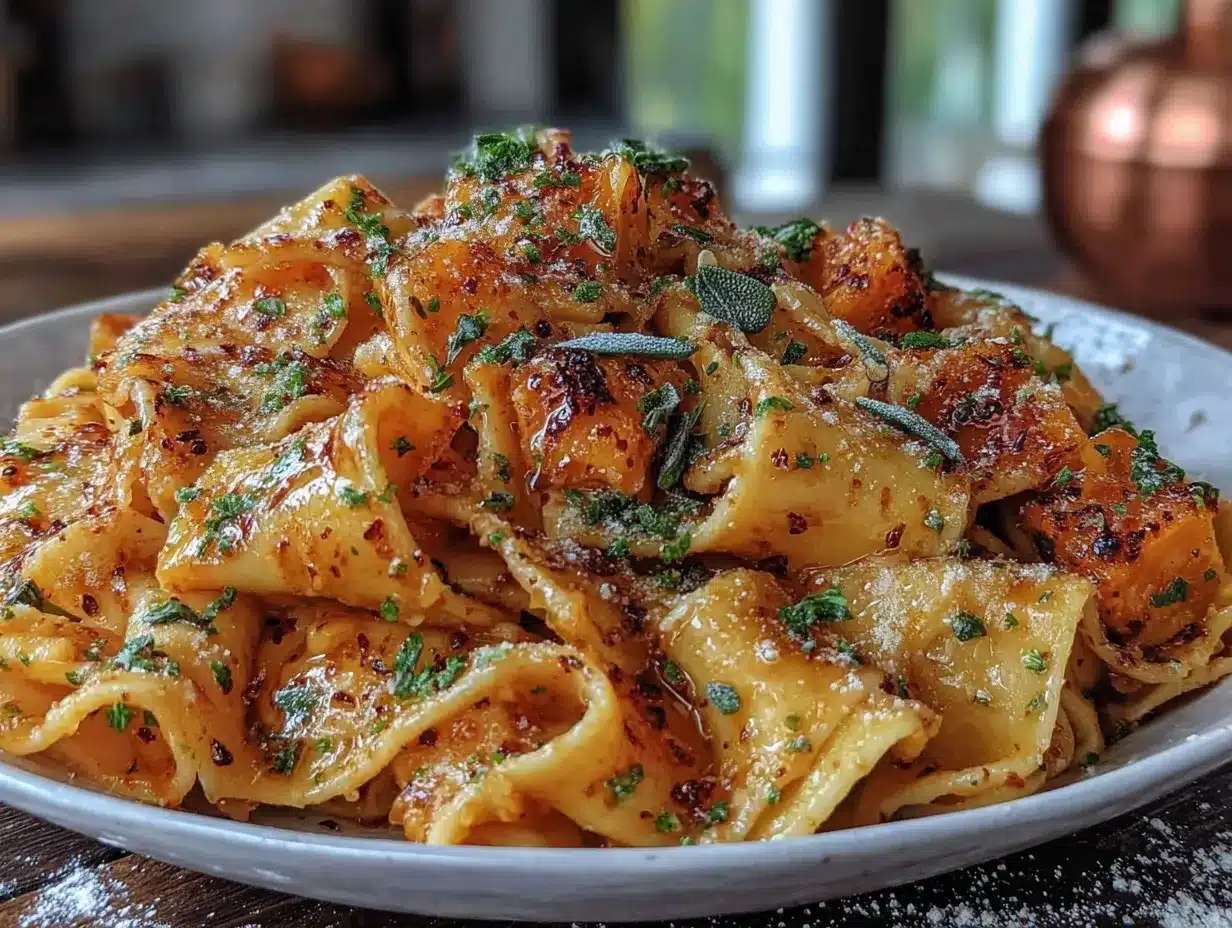
Let me walk you through this step by step. I have made this recipe more times than I can count, so I have learned a few things along the way.
- Preheat your oven to 400°F (200°C). Line a large baking sheet with parchment paper for easier cleanup.
- Prepare the squash. Peel the butternut squash with a vegetable peeler, then cut it in half lengthwise. Scoop out the seeds with a spoon. Cut the squash into 1/2-inch cubes. Try to keep them uniform in size so they roast evenly. This takes about 10 minutes the first time, but you will get faster.
- Season and roast the squash. Toss the cubed squash with olive oil, maple syrup, red pepper flakes, salt, and pepper. Spread it in a single layer on the baking sheet. Roast for 25 minutes, then flip the pieces and roast another 10-15 minutes until tender and caramelized. For extra color, broil for 2-3 minutes at the end. Watch closely so it does not burn.
- Start the pasta water. While the squash roasts, bring a large pot of generously salted water to a boil. I use about 1 tablespoon of salt per 4 quarts of water. The pasta water should taste like the sea.
- Cook the pasta. Add your pasta and cook according to package directions until al dente. Reserve at least 1 cup of pasta water before draining. I always save extra because you never know how much you will need.
- Make the brown butter. While the pasta cooks, melt the butter in a large skillet over medium heat. Swirl the pan occasionally. The butter will foam, then start to turn golden. Watch for brown specks forming at the bottom—that is the milk solids toasting. This takes about 5-7 minutes. Do not walk away. I have burned more batches than I care to admit.
- Add the sage and garlic. Once the butter is golden brown and smells nutty, drop in the sage leaves. They will crisp up in about 30 seconds. Remove them with tongs and set aside on a paper towel. Add the sliced garlic to the butter and cook for 30 seconds until fragrant.
- Combine everything. Reduce the heat to low. Add the roasted squash cubes to the skillet with the brown butter and garlic. Gently toss to coat. Pour in the heavy cream if using, then add the drained pasta. Toss everything together, adding reserved pasta water a little at a time until the sauce coats the pasta nicely. You may need 1/2 to 3/4 cup.
- Finish with cheese. Remove the pan from heat. Sprinkle in the grated Parmesan and toss until melted and creamy. The residual heat will do the work.
- Serve immediately. Divide the pasta among bowls. Top with crispy sage leaves, extra Parmesan, toasted nuts if using, and a pinch of flaky sea salt.
A quick note about timing. I like to start the squash roasting first, then begin the pasta water about 10 minutes before the squash is done. That way everything finishes around the same time. The brown butter should be the last thing you do, right when the pasta is almost ready.
Cooking Tips & Techniques
I have made every mistake possible with this recipe, so let me save you some trouble.
The biggest mistake people make with brown butter is rushing it. You want the butter to go through three stages: melting, foaming, and then browning. The foaming stage is when the water evaporates, and that is when you need to watch closest. Once the foam subsides, the milk solids will start toasting quickly. Swirl the pan constantly and trust your nose—it should smell nutty and rich, not burnt.
For the sage leaves, make sure they are completely dry before adding them to the hot butter. Any moisture will cause the butter to splatter, and nobody wants that. Also, do not overcrowd the pan. Cook them in batches if needed. They should crisp up in about 20-30 seconds per side.
Here is a trick I learned after my third failed attempt. If your sauce seems too thin, do not panic. Toss the pasta vigorously with tongs for about 30 seconds. The starch from the pasta and the agitation will help emulsify the sauce, making it creamier without adding more cheese or cream.
If you are making this for company, you can roast the squash a day ahead and store it in the fridge. Just reheat it gently in the skillet before adding the pasta. The brown butter sauce should always be made fresh, though. It only takes a few minutes.
One more thing. Do not skip the flaky sea salt at the end. It is not just garnish—it provides little bursts of saltiness that balance the sweetness of the squash and the richness of the butter. Trust me on this one.
Variations & Adaptations
This cozy butternut squash and sage brown butter pasta is wonderfully adaptable. Here are some ways I have customized it over the years:
- Make it vegetarian or vegan: Use a high-quality vegan butter for the brown butter sauce. Replace the heavy cream with full-fat coconut milk or cashew cream. Use nutritional yeast or a vegan Parmesan alternative instead of dairy cheese. I have tested this with Miyoko’s vegan butter, and it browns beautifully.
- Add protein: Crispy pancetta or bacon bits stirred in at the end add a salty, smoky element that pairs beautifully with the squash. You can also add shredded rotisserie chicken or sautéed mushrooms for a heartier meal.
- Switch up the squash: No butternut squash? Use cubed acorn squash, delicata squash (no need to peel), or even sweet potatoes. Each will bring a slightly different sweetness and texture.
- Try different pasta shapes: I have made this with orecchiette, which catches little bits of squash in its curves. Spaghetti works too, though you lose some of the sauce-catching ability. For a gluten-free option, use chickpea pasta or your favorite gluten-free brand.
- Add greens: Stir in a handful of fresh spinach or kale at the very end, just until wilted. It adds color and makes you feel slightly more virtuous about eating a bowl of buttery pasta.
- Spice it up: If you like heat, add more red pepper flakes or a pinch of cayenne to the brown butter. The warmth plays beautifully with the sweet squash.
My personal favorite variation? I add toasted walnuts and a squeeze of lemon juice right at the end. The lemon cuts through the richness, and the walnuts add crunch. It brightens the whole dish and makes it feel a little more special.
Serving & Storage Suggestions
This dish is best served immediately, while the sauce is still creamy and the pasta is hot. I like to serve it in wide, shallow bowls so the sauce pools nicely. A simple side salad with a lemony vinaigrette is all you need to round out the meal. A glass of dry white wine or a light red like Pinot Noir pairs beautifully.
For leftovers, store the pasta in an airtight container in the refrigerator for up to 3 days. The flavors actually meld together overnight, making it even more delicious the next day. However, the pasta will absorb some of the sauce, so it may be a bit drier.
To reheat, I recommend using a skillet over medium-low heat with a splash of milk, cream, or pasta water. Stir gently until warmed through. The microwave works in a pinch, but it can make the pasta mushy. If you are reheating in the microwave, add a tablespoon of water and cover with a damp paper towel.
I do not recommend freezing this dish. The cream-based sauce can separate when thawed, and the pasta texture suffers. If you want to prep ahead, roast the squash and store it separately, then make the sauce and pasta fresh when you are ready to eat.
Nutritional Information & Benefits
Here is an approximate nutritional breakdown per serving (based on 4 servings):
- Calories: 520
- Protein: 14g
- Carbohydrates: 62g
- Fiber: 7g
- Fat: 24g
- Saturated Fat: 12g
- Sodium: 480mg
Butternut squash is a nutritional powerhouse. It is loaded with vitamin A, vitamin C, and potassium. The beta-carotene gives it that beautiful orange color and supports eye health and immune function. Sage is not just flavorful—it has anti-inflammatory properties and is rich in antioxidants. And while butter gets a bad rap, it does contain butyrate, a fatty acid that supports gut health.
If you are watching your intake, you can lighten this dish by using half the butter and replacing the heavy cream with extra pasta water and a tablespoon of olive oil. The texture will be slightly less luxurious, but it will still be delicious.
This recipe contains dairy (butter, cream, Parmesan) and gluten (pasta). For dairy-free and gluten-free options, see the variations section above.
Conclusion
This cozy butternut squash and sage brown butter pasta is the recipe I turn to when I need something that feels like a hug in a bowl. It is the dish I make on chilly October evenings when the wind is rattling the windows and I just want to stand over the stove with a glass of wine. It is the recipe I bring to friends who need comfort, and the one I make for myself when I have had a long week.
I hope you make this and love it as much as I do. Maybe you will tweak it—add some bacon, swap in walnuts, throw in extra sage. That is the beauty of cooking. You take something good and make it yours. If you try it, come back and let me know how it turned out. Did you add something unexpected? Did your family ask for the recipe? I would love to hear about it.
Until next time, happy cooking.
Frequently Asked Questions
Can I use pre-cut butternut squash from the store?
Absolutely. Pre-cut squash saves time, though it may be slightly drier than fresh-cut. Just keep an eye on it while roasting, as smaller pieces may cook faster.
Can I make this without heavy cream?
Yes. The brown butter and pasta water create a lovely sauce on their own. The cream adds richness, but it is not essential. Use extra pasta water and an extra tablespoon of butter for a lighter version.
What if I cannot find fresh sage?
Fresh sage is really best here, but in a pinch, use dried sage. Add 1 teaspoon of dried sage to the brown butter instead of fresh leaves. You will miss the crispy garnish, but the flavor will still be good.
Can I use a different type of squash?
Definitely. Acorn squash, delicata squash, or even sweet potatoes work beautifully. Adjust roasting time as needed based on the size of your cubes.
How do I prevent the brown butter from burning?
Keep the heat at medium and watch the butter closely once it starts foaming. Swirl the pan constantly. Remove it from heat as soon as it turns golden brown and smells nutty. If you see black specks, you have gone too far.
Pin This Recipe!
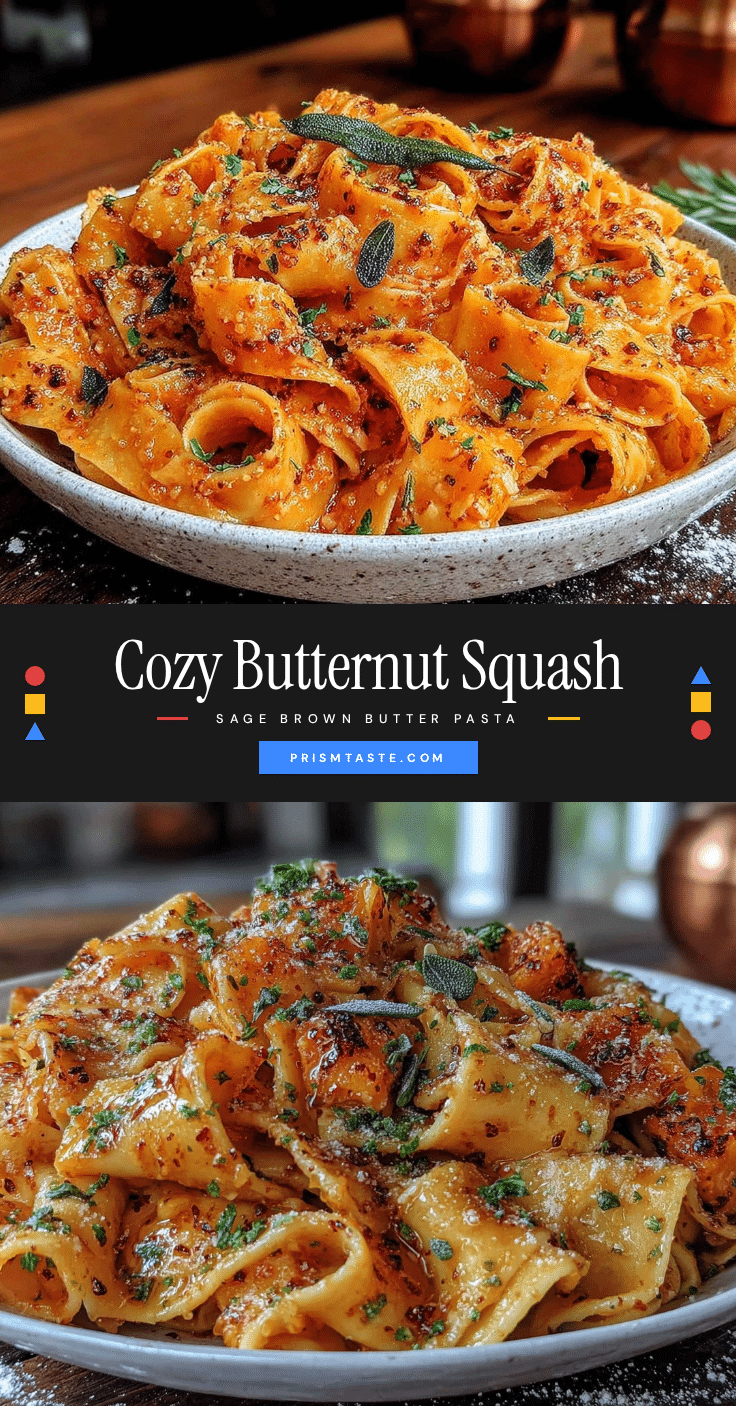
Cozy Butternut Squash & Sage Brown Butter Pasta: Best Easy Fall Dinner
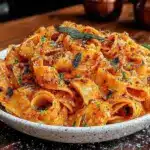
This cozy butternut squash and sage brown butter pasta is the recipe I turn to when I need something that feels like a hug in a bowl. The sweetness of the roasted squash, the nutty depth of the brown butter, and the crispy sage leaves make every single bite hit just right.
- Prep Time: 15 minutes
- Cook Time: 30 minutes
- Total Time: 45 minutes
- Yield: 4 servings 1x
- Category: Main Course
- Cuisine: Italian
Ingredients
- 1 medium butternut squash (about 2–3 pounds), peeled, seeded, and cut into 1/2-inch cubes
- 2 tablespoons olive oil
- 1 tablespoon maple syrup
- 1/2 teaspoon red pepper flakes (optional)
- Salt and black pepper to taste
- 6 tablespoons unsalted butter
- 10–12 fresh sage leaves
- 3 cloves garlic, thinly sliced
- 1/2 cup reserved pasta water
- 1/2 cup heavy cream (optional)
- 1/2 cup freshly grated Parmesan cheese, plus more for serving
- 12 ounces dried pasta (pappardelle, fettuccine, or rigatoni)
- Salt for pasta water
- Extra crispy sage leaves for garnish
- Freshly grated Parmesan for garnish
- Toasted pine nuts or walnuts for garnish (optional)
- Flaky sea salt for finishing
Instructions
- Preheat your oven to 400°F (200°C). Line a large baking sheet with parchment paper.
- Peel the butternut squash, cut in half lengthwise, scoop out seeds, and cut into 1/2-inch cubes.
- Toss the cubed squash with olive oil, maple syrup, red pepper flakes, salt, and pepper. Spread in a single layer on the baking sheet. Roast for 25 minutes, flip, and roast another 10-15 minutes until tender and caramelized. For extra color, broil for 2-3 minutes at the end.
- While the squash roasts, bring a large pot of generously salted water to a boil.
- Cook the pasta according to package directions until al dente. Reserve at least 1 cup of pasta water before draining.
- While the pasta cooks, melt the butter in a large skillet over medium heat. Swirl the pan occasionally. Cook until the butter turns golden brown and smells nutty, about 5-7 minutes.
- Add the sage leaves to the brown butter; they will crisp in about 30 seconds. Remove with tongs and set aside on a paper towel. Add the sliced garlic to the butter and cook for 30 seconds until fragrant.
- Reduce heat to low. Add the roasted squash cubes to the skillet and gently toss to coat. Pour in the heavy cream if using, then add the drained pasta. Toss everything together, adding reserved pasta water a little at a time until the sauce coats the pasta nicely (about 1/2 to 3/4 cup).
- Remove the pan from heat. Sprinkle in the grated Parmesan and toss until melted and creamy.
- Serve immediately. Divide pasta among bowls. Top with crispy sage leaves, extra Parmesan, toasted nuts if using, and a pinch of flaky sea salt.
Notes
The biggest mistake people make with brown butter is rushing it. Watch the butter closely once it starts foaming; swirl the pan constantly and trust your nose—it should smell nutty and rich, not burnt. For the sage leaves, make sure they are completely dry before adding to the hot butter to avoid splattering. If your sauce seems too thin, toss the pasta vigorously with tongs for about 30 seconds to emulsify. Do not skip the flaky sea salt at the end—it provides little bursts of saltiness that balance the sweetness of the squash and richness of the butter.
Nutrition
- Serving Size: 1 serving
- Calories: 520
- Sugar: 12
- Sodium: 480
- Fat: 24
- Saturated Fat: 12
- Carbohydrates: 62
- Fiber: 7
- Protein: 14
Keywords: butternut squash pasta, sage brown butter pasta, fall pasta recipe, easy pasta dinner, vegetarian pasta, comfort food