I was at the farmers’ market last October, completely overwhelmed by the mountain of butternut squash at every stall. I had already grabbed two, but honestly, I had no idea what I was going to do with them all. An older woman next to me, sorting through a bin of apples, watched me staring at the squash pile and just laughed. “You’re overthinking it,” she said. “Roast it, toss it with pasta, and watch everyone fight over the bowl.” She didn’t give me a recipe, just that one sentence and a wink. I stood there for a second, and then it clicked. That simple idea—pasta salad with roasted butternut squash—became the dish I now bring to every fall gathering.
I went home and started experimenting. The first batch was fine, but the squash got a little mushy. The second time, I figured out the trick to getting those perfect caramelized edges. By the third try, I had a bowl of something that made my neighbor knock on my door to ask what smelled so good. That was the moment I knew this fall pasta salad was special. It’s become my go-to for potlucks, Friendsgiving dinners, and any time I need to feed a crowd without stress. Maybe you’ve been there—standing in the kitchen, wanting to impress your guests but not wanting to spend all day cooking. This is the dish that solves that problem.
What I love most about this recipe is how it brings people together. The sweetness of the roasted squash, the tangy maple-Dijon dressing, the crunch of toasted pecans—every bite feels like autumn on a plate. It’s the kind of dish that makes people close their eyes after the first forkful. And the best part? You can make it ahead of time, which is a lifesaver when you’re hosting. So let me show you how to make this crowd-pleasing fall pasta salad, the one that started with a stranger’s offhand comment at a market.
Why You’ll Love This Recipe
This isn’t just another pasta salad. It’s the one that will get you asked for the recipe every single time. I’ve tested this version countless times, tweaking the roasting time, the dressing ratio, and the mix-ins until it was absolutely perfect. Here’s why it works so well for hosts like you.
- Perfect for a Crowd: This recipe makes a generous amount, easily scaling up for dinner parties or potlucks. You can double it without any issues.
- Make-Ahead Magic: The flavors actually get better after a few hours in the fridge. Prep it the morning of your gathering and just pull it out when guests arrive.
- No Fancy Ingredients: Everything is available at your regular grocery store. No hunting down specialty items.
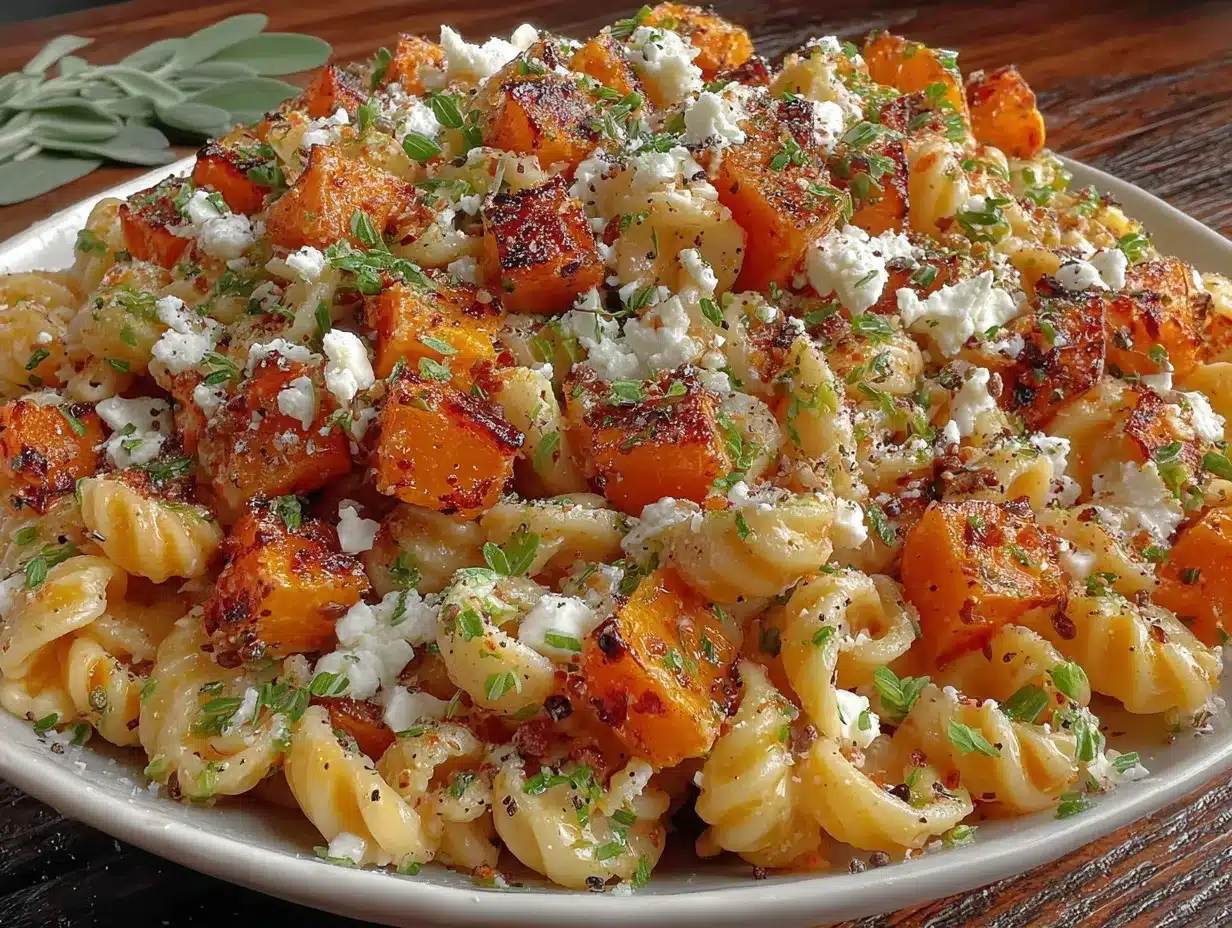
- Impressive Presentation: The vibrant orange squash against the green arugula and golden pasta looks stunning on a serving platter. Your guests will think you spent hours on it.
- Dietary Friendly: Easily adaptable for gluten-free or vegan guests. I’ve served this to groups with multiple dietary restrictions, and everyone goes back for seconds.
What sets this fall pasta salad apart is the technique for roasting the butternut squash. I don’t just toss it in oil and hope for the best. I use a specific high-heat method that gives you deeply caramelized, almost candy-like cubes of squash that hold their shape in the salad. Combined with a warm maple-Dijon dressing that coats every piece of pasta, this is comfort food that feels elevated but is secretly simple to pull off.
This recipe is the kind that makes you look like a hero in the kitchen. It’s stress-free, absolutely delicious, and guaranteed to steal the show at your next fall gathering.
What Ingredients You Will Need
This recipe uses simple, wholesome ingredients that come together to create something truly special. Most of these are pantry staples or easy to find at any grocery store during the fall season. I’ve included some notes on what to look for to get the best results.
- Butternut Squash (1 medium, about 3 pounds): Look for one that feels heavy for its size with a firm, tan skin. I prefer to buy pre-cut cubes from the store when I’m short on time, but cutting your own is more economical. (Pro tip: save the seeds and roast them separately for a snack!)
- Short Pasta (1 pound, such as fusilli, rotini, or farfalle): The nooks and crannies of short pasta are perfect for catching the dressing. I love using whole wheat or chickpea pasta for extra fiber and protein.
- Extra Virgin Olive Oil (1/4 cup, divided): Use a good quality oil for roasting and for the dressing. It makes a noticeable difference in flavor.
- Maple Syrup (3 tablespoons, pure maple syrup): Don’t use pancake syrup here. Real maple syrup adds that deep, complex sweetness that makes the dressing sing.
- Dijon Mustard (2 tablespoons): This gives the dressing a tangy kick that balances the sweetness of the squash and maple syrup.
- Apple Cider Vinegar (2 tablespoons): Adds brightness and acidity. You can substitute white wine vinegar if needed.
- Arugula (3 cups, packed): The peppery bite of arugula is perfect against the sweet squash. If you prefer a milder green, baby spinach works well too.
- Dried Cranberries (1/2 cup): These add little bursts of tartness and a chewy texture. Look for ones that are naturally sweetened with apple juice instead of added sugar.
- Toasted Pecans (1/2 cup, roughly chopped): Toasting them brings out their nutty flavor. You can also use walnuts or pepitas for a different crunch.
- Feta Cheese (1/2 cup, crumbled): The salty, tangy feta is the perfect finishing touch. For a dairy-free option, try a vegan feta or omit it entirely.
- Salt and Black Pepper (to taste): I recommend flaky sea salt for finishing and freshly ground black pepper for the best flavor.
For the Dressing:
- Maple Syrup (3 tablespoons)
- Dijon Mustard (2 tablespoons)
- Apple Cider Vinegar (2 tablespoons)
- Olive Oil (1/4 cup)
- Garlic (1 clove, minced)
- Salt and Pepper (to taste)
I’ve tried this with different types of squash, and butternut is absolutely the best for its sweetness and texture. However, in a pinch, you can use peeled and cubed sweet potatoes or even pumpkin. Just make sure to cut everything into uniform 1/2-inch cubes so they roast evenly.
Equipment Needed
You don’t need any fancy gadgets for this recipe, which is part of its beauty. Here’s what you’ll need:
- Large Baking Sheet: A rimmed baking sheet is essential for roasting the squash without spilling. I use a half-sheet pan (18×13 inches) for even roasting.
- Large Pot: For boiling the pasta. A 6-8 quart pot works perfectly.
- Colander: For draining the pasta.
- Chef’s Knife: A sharp knife makes cutting the butternut squash much safer and easier. If you’re using pre-cut cubes, you can skip this.
- Vegetable Peeler: For peeling the squash if you’re cutting it yourself.
- Mixing Bowls: One large bowl for the salad and one small bowl for the dressing.
- Whisk: For emulsifying the dressing. A fork works in a pinch.
- Measuring Cups and Spoons: For accurate measurements.
If you don’t have a large serving bowl, you can mix everything directly on a large platter for a beautiful presentation. I’ve also made this using a sheet pan as a serving vessel for casual gatherings—it’s rustic and practical.
Preparation Method
Let’s get cooking! This recipe comes together in about 45 minutes, with most of that being hands-off roasting time. I’ve broken it down into clear steps so you can follow along easily.
- Preheat Your Oven to 400°F (200°C). Line a large baking sheet with parchment paper for easy cleanup. While the oven heats, prepare the squash.
- Prepare the Butternut Squash. If using a whole squash, carefully peel it with a vegetable peeler, then cut it in half lengthwise and scoop out the seeds. Cut the flesh into 1/2-inch cubes. You should have about 4 cups of cubed squash. (If using pre-cut cubes, just give them a quick rinse and pat them dry.)
- Roast the Squash. In a large bowl, toss the cubed squash with 2 tablespoons of olive oil, 1/2 teaspoon of salt, and 1/4 teaspoon of black pepper. Spread the squash in a single layer on the prepared baking sheet. Roast for 25-30 minutes, flipping halfway through, until the squash is tender and deeply caramelized on the edges. The smell in your kitchen will be incredible. Let it cool slightly on the pan.
- Cook the Pasta. While the squash roasts, bring a large pot of salted water to a boil. Add the pasta and cook according to package directions until al dente (usually 8-10 minutes). Reserve about 1/2 cup of the pasta water before draining, then drain the pasta in a colander. Rinse with cold water to stop the cooking process and cool it down for the salad.
- Make the Dressing. In a small bowl or jar, whisk together the maple syrup, Dijon mustard, apple cider vinegar, minced garlic, 1/4 cup of olive oil, and a pinch of salt and pepper. Whisk until the dressing is smooth and emulsified. Taste and adjust the seasoning—you want it to be tangy, sweet, and savory all at once.
- Toast the Pecans. In a dry skillet over medium heat, add the chopped pecans. Toast them for 3-4 minutes, stirring frequently, until they are fragrant and lightly browned. Watch them closely—they burn quickly! Remove from the heat and set aside to cool.
- Assemble the Salad. In a large mixing bowl, combine the cooled pasta, roasted butternut squash, arugula, dried cranberries, and toasted pecans. Pour the dressing over the top and toss gently until everything is well coated. The arugula will wilt slightly from the warmth of the squash, which is exactly what you want.
- Add the Feta. Gently fold in the crumbled feta cheese, reserving a little for the top. Transfer the salad to a serving platter or bowl, and sprinkle the remaining feta over the top for a beautiful finish.
- Serve and Enjoy. This fall pasta salad can be served warm, at room temperature, or chilled. If serving later, cover and refrigerate. Let it sit at room temperature for 15-20 minutes before serving to take the chill off.
A Note on Timing: If you’re hosting, you can roast the squash and cook the pasta up to a day ahead. Store them separately in the fridge, then toss everything together with the dressing about an hour before your guests arrive. The arugula will stay crisp if you add it right before serving.
Cooking Tips & Techniques
Over the years, I’ve made this salad more times than I can count, and I’ve learned a few things the hard way. Let me share them so you can skip the mistakes.
The Secret to Perfect Roasted Squash: Don’t overcrowd the baking sheet. If the cubes are too close together, they’ll steam instead of roast, and you’ll miss out on those beautiful caramelized edges. Use two sheets if you’re doubling the recipe. Also, resist the urge to stir too often—let the squash sit undisturbed for the first 15 minutes to develop a good sear.
Don’t Overcook the Pasta: Al dente pasta holds up better in a salad. Overcooked pasta gets mushy and absorbs too much dressing. Set a timer and taste a piece a minute before the package says it’s done. You want a slight firmness in the center.
Reserve That Pasta Water: I know I mentioned this, but it’s worth repeating. If your salad seems a little dry after adding the dressing, stir in a tablespoon or two of the reserved pasta water. The starch helps the dressing cling to everything without making it oily.
Let the Flavors Marry: This salad is actually better after it sits for a while. The pasta absorbs the dressing, the squash softens slightly, and all the flavors meld together. If you can, make it 2-3 hours before serving and let it rest at room temperature. Just don’t add the arugula until the last minute, or it will get too wilted.
My Biggest Failure: The first time I made this for a dinner party, I forgot to toast the pecans. I threw them in raw, and honestly, the salad was still good. But the next time, when I took the extra two minutes to toast them, the difference was night and day. Toasted nuts add a depth of flavor that raw nuts just can’t match. Don’t skip this step.
Variations & Adaptations
One of the best things about this recipe is how versatile it is. Here are some ways to make it your own.
- Make It Vegan: Simply omit the feta cheese or use a high-quality vegan feta. The dressing is already vegan-friendly. I’ve made it this way for vegan friends, and they always ask for the recipe.
- Gluten-Free Option: Use your favorite gluten-free pasta. Brown rice pasta or chickpea pasta works beautifully. Just be careful not to overcook it, as gluten-free pasta can get mushy quickly.
- Add Protein: This salad is hearty on its own, but you can turn it into a main dish by adding shredded rotisserie chicken, grilled chicken, or even crispy chickpeas. I sometimes add leftover roasted turkey after Thanksgiving.
- Switch Up the Greens: If arugula is too peppery for your taste, use baby spinach, mixed greens, or even chopped kale. If using kale, massage it with a little olive oil and lemon juice first to soften it.
- Change the Cheese: Goat cheese crumbles are a fantastic substitute for feta. For a richer option, try shaved Parmesan or pecorino romano.
- Seasonal Twist: In the summer, swap the butternut squash for roasted cherry tomatoes and fresh corn. In the winter, add roasted Brussels sprouts and pomegranate seeds for a festive touch.
I once tried adding crispy bacon bits to this salad for a potluck, and it was a huge hit. The smoky, salty bacon pairs surprisingly well with the sweet maple dressing. Just saying—if you’re not serving vegetarians, it’s a fun addition.
Serving & Storage Suggestions
This fall pasta salad is incredibly forgiving when it comes to serving. Here’s how to make it shine at your gathering.
Serving Temperature: This salad is delicious at any temperature. I prefer it at room temperature, as the flavors are most vibrant. If you’re serving it straight from the fridge, let it sit out for 20 minutes first. If you want to serve it warm, gently reheat the roasted squash and pasta before assembling, and add the arugula and feta at the end.
Presentation Tips: For a dinner party, serve this on a large white platter to make the colors pop. Sprinkle the extra feta and a few whole pecans on top for a beautiful finish. A few fresh arugula leaves around the edges add a nice touch. For a casual potluck, a large wooden bowl works perfectly.
What to Serve Alongside: This salad pairs beautifully with roasted chicken, grilled pork chops, or a hearty soup like creamy Tuscan tortellini soup. It’s also fantastic alongside a cheese board or charcuterie platter. For a vegetarian spread, serve it with roasted root vegetable tart and a crisp green salad.
Storage Instructions: Store leftovers in an airtight container in the refrigerator for up to 4 days. The arugula will wilt over time, but the flavors will continue to develop. If you’re meal-prepping, store the dressing separately and add it just before serving.
Reheating: I actually prefer this salad cold or at room temperature, so I rarely reheat it. If you want to warm it up, microwave individual portions for 30-45 seconds, or gently reheat in a skillet over low heat. Add a splash of olive oil or reserved pasta water if it seems dry.
Flavor Development: Honestly, this salad tastes even better the next day. The pasta absorbs the dressing, and the flavors become more cohesive. It’s the perfect make-ahead dish for busy hosts.
Nutritional Information & Benefits
This salad is as nutritious as it is delicious. Here’s a breakdown of what you’re getting in each serving (based on 8 servings).
- Calories: Approximately 380-420 per serving
- Protein: 10-12 grams
- Fat: 18-22 grams (mostly healthy fats from olive oil and pecans)
- Carbohydrates: 48-52 grams
- Fiber: 6-8 grams
- Sugar: 12-15 grams (naturally occurring from maple syrup and cranberries)
Health Benefits: Butternut squash is packed with vitamin A (over 400% of your daily needs per cup), vitamin C, and fiber. It’s great for eye health and immune support. Pecans are rich in healthy monounsaturated fats and antioxidants. Arugula is a powerhouse of vitamins K, A, and C, plus calcium and folate. Even the olive oil provides heart-healthy fats and anti-inflammatory properties.
Dietary Considerations: This recipe is naturally vegetarian. It can be made vegan by omitting the feta, and gluten-free by using appropriate pasta. It contains dairy (feta) and tree nuts (pecans), so be mindful of allergies when serving a crowd.
I love that this salad makes me feel good about what I’m eating. It’s satisfying and indulgent-tasting, but it’s packed with real, whole foods that nourish your body. That’s my favorite kind of recipe.
Conclusion
This fall pasta salad with roasted butternut squash has become a staple in my kitchen for good reason. It’s the dish that disappears first at every gathering, the one people text me about afterward asking for the recipe. It’s proof that you don’t need complicated techniques or exotic ingredients to create something truly memorable.
What I love most is how it brings the flavors of autumn to life in a single bowl. The sweet, caramelized squash, the tangy maple dressing, the peppery arugula, the salty feta—every bite is a celebration of the season. And the best part? It’s so easy to customize. Make it your own. Add your favorite protein, swap in different nuts, or experiment with seasonal produce. That’s the beauty of a good recipe—it’s a starting point, not a rulebook.
I’d love to hear how this turns out for you. Did you make any substitutions? Did your guests love it as much as mine do? Drop a comment below and let me know. And if you’re looking for more crowd-pleasing fall recipes, be sure to check out my one-pan herb roasted chicken and vegetables for the perfect main dish to serve alongside this salad. Happy cooking, and here’s to many cozy autumn meals shared with the people you love!
Frequently Asked Questions
Can I make this fall pasta salad ahead of time?
Absolutely! In fact, I recommend it. You can roast the squash and cook the pasta up to 24 hours in advance. Store them separately in the refrigerator. When you’re ready to serve, toss everything together with the dressing and add the arugula and feta right before serving. The flavors meld beautifully over time.
What’s the best pasta shape for this salad?
Short, textured pasta works best. I love fusilli, rotini, or farfalle because their nooks and crannies catch the dressing and small bits of squash. Penne or orecchiette are also great options. Avoid long, thin pasta like spaghetti, as it doesn’t hold up well in a salad.
Can I use frozen butternut squash instead of fresh?
You can, but I don’t recommend it for this recipe. Frozen squash releases a lot of water as it thaws, which can make your salad soggy. If you’re in a pinch, thaw the frozen squash completely, pat it very dry with paper towels, and increase the roasting time by 5-10 minutes to evaporate the excess moisture.
How do I prevent the arugula from getting soggy?
The key is to add the arugula right before serving. If you’re making the salad ahead of time, keep the arugula separate and toss it in at the last minute. Also, make sure the roasted squash has cooled to room temperature before adding the greens, as heat will wilt them faster.
Can I double this recipe for a large crowd?
Yes, this recipe doubles beautifully. Just make sure to use two baking sheets for the squash so it roasts evenly, and cook the pasta in two batches if your pot isn’t large enough. The dressing can be easily multiplied. For a party of 20 or more, I recommend making two separate batches rather than trying to mix everything in one giant bowl—it’s easier to handle and looks nicer on the table.
Pin This Recipe!
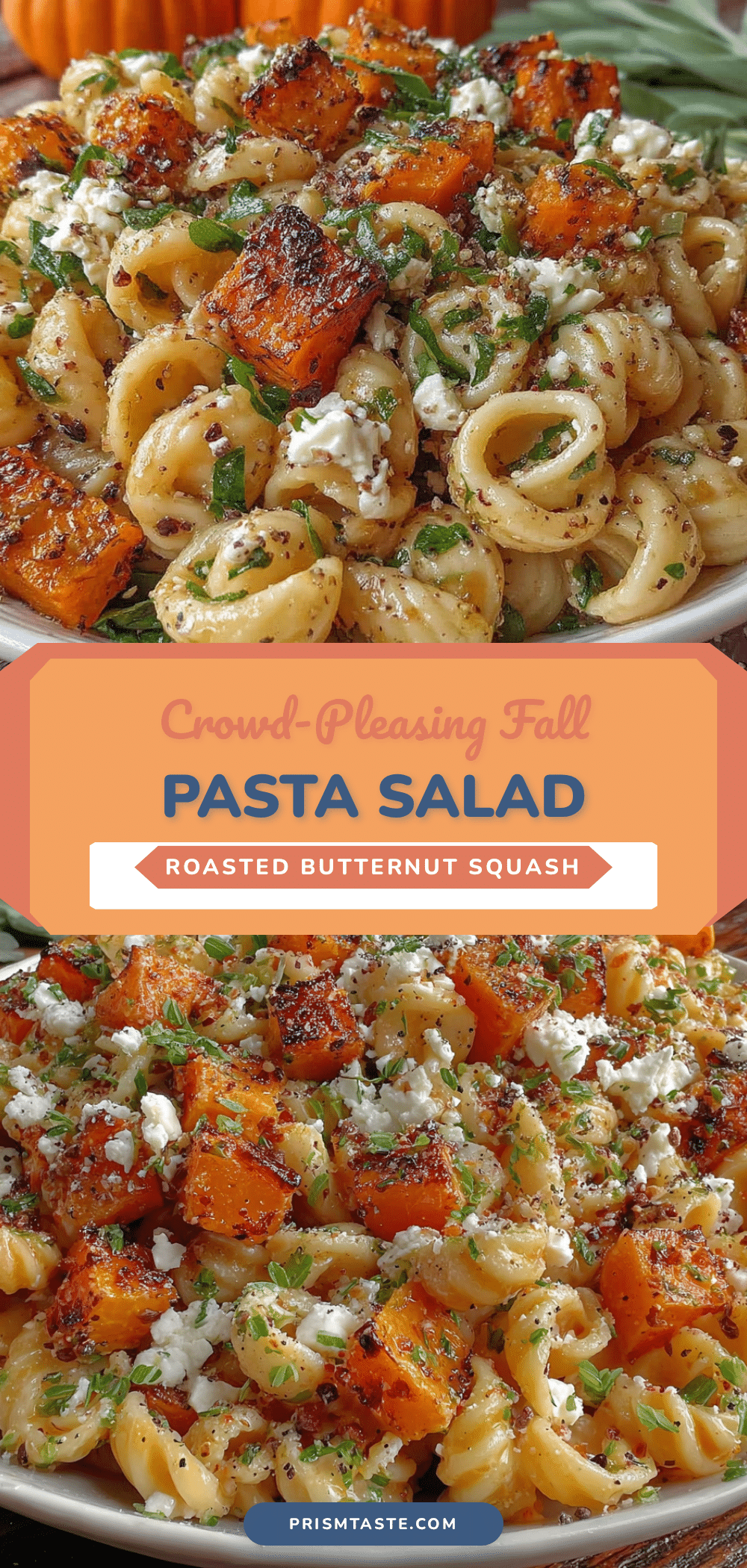
Best Fall Pasta Salad with Roasted Butternut Squash
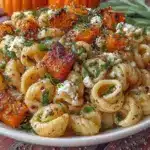
A crowd-pleasing fall pasta salad featuring roasted butternut squash, a tangy maple-Dijon dressing, and crunchy pecans. Perfect for potlucks, Friendsgiving, or any autumn gathering.
- Prep Time: 15 minutes
- Cook Time: 30 minutes
- Total Time: 45 minutes
- Yield: 8 servings 1x
- Category: Main Course
- Cuisine: American
Ingredients
- 1 medium butternut squash (about 3 pounds), peeled and cut into 1/2-inch cubes (about 4 cups)
- 1 pound short pasta (such as fusilli, rotini, or farfalle)
- 1/4 cup extra virgin olive oil, divided
- 3 tablespoons pure maple syrup
- 2 tablespoons Dijon mustard
- 2 tablespoons apple cider vinegar
- 3 cups packed arugula
- 1/2 cup dried cranberries
- 1/2 cup toasted pecans, roughly chopped
- 1/2 cup crumbled feta cheese
- Salt and black pepper to taste
- 1 clove garlic, minced
Instructions
- Preheat your oven to 400°F (200°C). Line a large baking sheet with parchment paper.
- Prepare the butternut squash: peel, halve lengthwise, scoop out seeds, and cut into 1/2-inch cubes. Toss with 2 tablespoons olive oil, 1/2 teaspoon salt, and 1/4 teaspoon black pepper. Spread in a single layer on the prepared baking sheet.
- Roast the squash for 25-30 minutes, flipping halfway through, until tender and caramelized. Let cool slightly.
- While the squash roasts, bring a large pot of salted water to a boil. Cook pasta according to package directions until al dente. Reserve 1/2 cup pasta water, then drain and rinse with cold water.
- Make the dressing: In a small bowl, whisk together maple syrup, Dijon mustard, apple cider vinegar, minced garlic, 1/4 cup olive oil, and a pinch of salt and pepper until smooth and emulsified.
- Toast the pecans in a dry skillet over medium heat for 3-4 minutes, stirring frequently, until fragrant. Set aside to cool.
- In a large mixing bowl, combine cooled pasta, roasted squash, arugula, dried cranberries, and toasted pecans. Pour dressing over and toss gently to coat.
- Gently fold in crumbled feta cheese, reserving some for garnish. Transfer to a serving platter and sprinkle remaining feta on top.
- Serve warm, at room temperature, or chilled. If serving later, refrigerate and let sit at room temperature for 15-20 minutes before serving.
Notes
For best results, don’t overcrowd the baking sheet when roasting squash. Reserve pasta water to adjust dressing consistency if needed. The salad tastes even better after sitting for a few hours. Add arugula just before serving to prevent wilting.
Nutrition
- Serving Size: 1 serving (about 1.5
- Calories: 400
- Sugar: 14
- Sodium: 350
- Fat: 20
- Saturated Fat: 3
- Carbohydrates: 50
- Fiber: 7
- Protein: 11
Keywords: fall pasta salad, roasted butternut squash, maple Dijon dressing, vegetarian pasta salad, make-ahead salad