“Wait, are you seriously grilling that entire tomahawk steak?” That’s what my buddy asked, eyebrows raised as I carried the massive, bone-in beauty out to the grill. Honestly, I wasn’t sure if it was going to be a triumph or a total disaster. I’d been itching to try the reverse-sear method on a tomahawk for a while, mostly because those thick steaks intimidate the heck out of me — but also because, well, it’s a showstopper. There’s something about that long rib bone that just screams celebration.
That evening, the air was cool, and the smell of mesquite wood chips was already teasing my nose. I’d done a quick salt rub and left the steak to rest overnight in the fridge, hoping it would soak up all that flavor. The grill was hot but not blazing, and I was ready to take it slow. I remember thinking, “This could either be the juiciest steak I’ve ever made or a waste of good beef.”
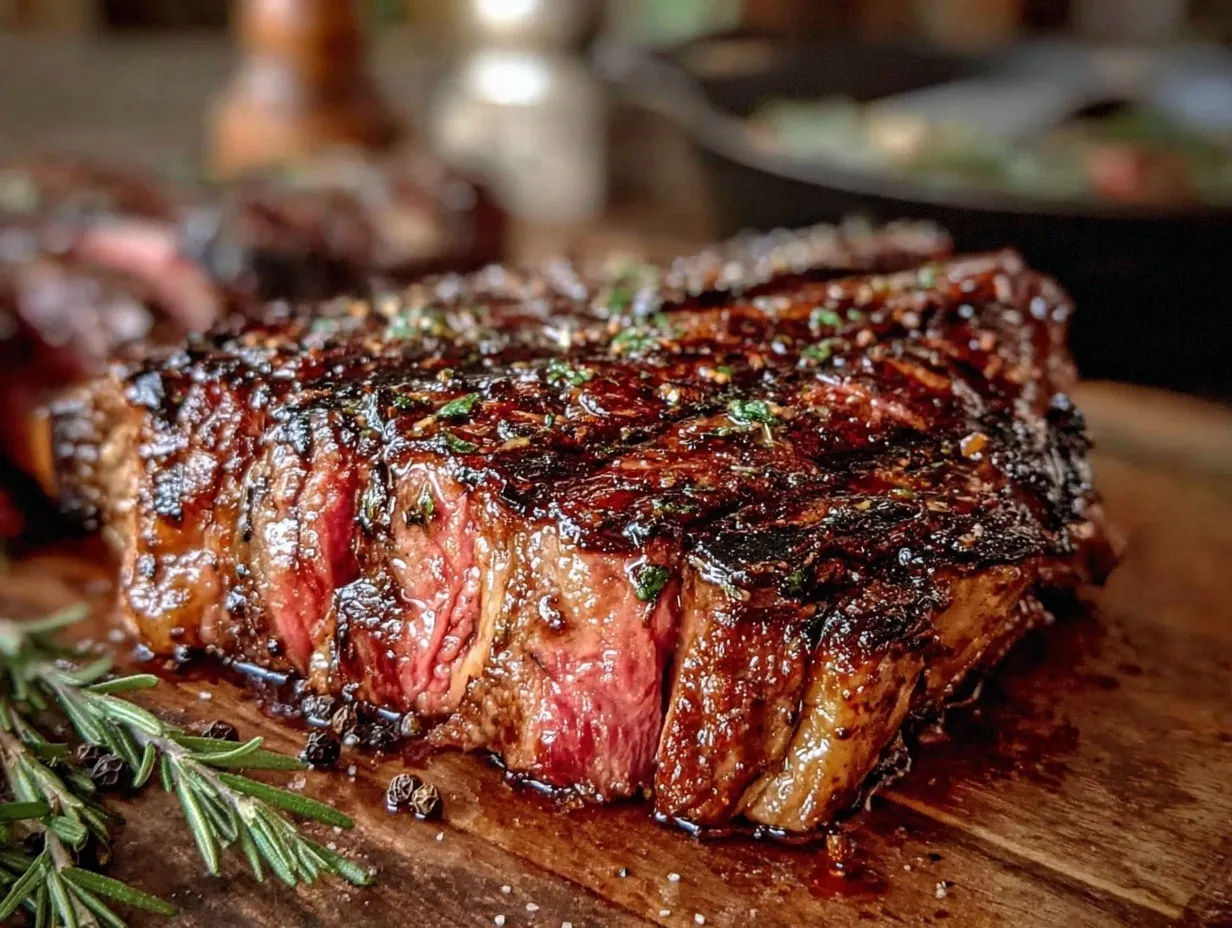
But as the steak slowly cooked to a perfect medium rare, and those grill marks started to pop like dark caramel stripes, the nerves faded. By the time I sliced into it, the meat was tender, juicy, and packed with smoky char that only a reverse-sear can deliver. It wasn’t just a meal; it was an experience. This recipe stuck with me because it proved that even a home cook can pull off a steakhouse-worthy tomahawk with a little patience and the right technique. Let’s just say, the next time my friends asked if I could bring the perfect reverse-sear tomahawk steak with juicy grill marks, I didn’t hesitate.
Why You’ll Love This Recipe
After numerous trials, burns (yes, burns), and accidental overcooks, I’ve landed on this perfect reverse-sear tomahawk steak recipe that nails flavor and texture every single time. It’s the kind of recipe that turns skeptics into fans, and steak novices into grill masters.
- Quick & Easy: The hands-on time is surprisingly short—under 30 minutes of active cooking, making it perfect for those weekend grill sessions.
- Simple Ingredients: You don’t need anything fancy, just a good-quality tomahawk steak, salt, pepper, and a bit of oil.
- Perfect for Special Occasions: Whether you’re hosting a backyard barbecue or celebrating a milestone, this steak makes a statement without stress.
- Crowd-Pleaser: The juicy texture and impressive presentation always get rave reviews from friends and family alike.
- Unbelievably Delicious: Thanks to the reverse-sear technique, you get even cooking throughout and a caramelized crust that’s pure magic.
This recipe isn’t just another grill-and-pray steak method. The secret lies in slowly bringing the steak up to temperature first, then finishing it off on a scorching hot grill for those iconic marks and that mouthwatering crust. It’s about patience, yes, but also about trust in the process. I’ve found this method yields a consistently tender steak that’s as juicy as it is flavorful, unlike the rushed high-heat sears that sometimes leave you with a burnt outside and undercooked center.
Honestly, every time I serve this, I’m reminded why I keep coming back to it—because it’s the kind of steak that makes you close your eyes with the first bite, savoring every smoky, buttery mouthful.
What Ingredients You Will Need
This recipe uses straightforward, wholesome ingredients that highlight the natural flavor of the tomahawk steak. No fuss, no fillers—just quality components that make a big flavor difference.
- Tomahawk steak (1 steak, about 2-2.5 pounds / 900-1100 grams) – Look for well-marbled meat with a thick bone; it adds to the flavor and presentation.
- Kosher salt (2 teaspoons) – Essential for seasoning and drawing out moisture for a better crust.
- Freshly ground black pepper (1 teaspoon) – Adds a subtle heat and depth.
- High smoke point oil (2 tablespoons) – I prefer grapeseed or avocado oil for searing (both handle heat well without burning).
- Optional: Garlic powder (½ teaspoon) – For an extra layer of savory flavor.
- Optional: Fresh herbs (like rosemary or thyme sprigs) – Toss on the grill or use to baste for aromatic notes.
Pro tip: You don’t need any fancy marinades or spice blends here. The simplicity lets the beef shine. When selecting your steak, I recommend a trusted butcher or brand known for quality cuts. If you want to experiment, swapping kosher salt for sea salt flakes can add a slightly different crunch and flavor profile.
Equipment Needed
- Charcoal or gas grill: A grill with a lid is crucial for the indirect cooking phase of the reverse sear.
- Meat thermometer: An instant-read digital thermometer is a game-changer—trust me, guessing don’t cut it with thick steaks.
- Tongs: For easy flipping without piercing the meat.
- Wire rack and baking sheet: Useful if you prefer to do the slow cooking in the oven before finishing on the grill.
- Basting brush (optional): Handy for brushing oil or herb butter during searing.
If you don’t have a grill, you can adapt this recipe using an oven and stovetop skillet, but nothing beats that smoky grill flavor and those perfect grill marks. I’ve tried cast iron pans for searing, which work well, but the grill just adds a character that’s hard to replicate indoors.
Preparation Method
- Salt the steak: Pat the tomahawk dry with paper towels. Sprinkle kosher salt evenly on all sides, including the bone. Let it sit uncovered in the fridge for at least 2 hours, ideally overnight. This dry brine enhances flavor and helps create a crust.
- Bring to room temperature: Remove the steak from the fridge about 30-45 minutes before cooking. This ensures even cooking.
- Preheat your grill: Set up for two-zone cooking: one side on high heat (about 500°F / 260°C) and the other side off for indirect cooking. If using charcoal, bank coals to one side.
- Slow cook over indirect heat: Place the steak on the cool side of the grill. Close the lid and cook until the internal temperature reaches about 110°F (43°C) for rare, 120°F (49°C) for medium-rare. This usually takes 20-30 minutes depending on thickness. Use a meat thermometer to track.
- Rest briefly: Remove the steak and let it rest for 5 minutes while preparing the hot side of the grill.
- Sear over direct heat: Brush the steak with oil. Place it directly on the hot grill grates. Sear for 2-3 minutes per side, rotating 45 degrees halfway to create those signature grill marks. Watch carefully to avoid flare-ups.
- Final temperature check: Use your thermometer to confirm the steak is at your preferred doneness: 130°F (54°C) for medium-rare, 135°F (57°C) for medium. Remove promptly to avoid overcooking.
- Rest and serve: Let the steak rest for 10 minutes to redistribute juices. Slice against the grain and enjoy!
During searing, keep an eye on the flames and move the steak if flare-ups get out of control. I’ve learned the hard way that patience is key here—rushing the sear leads to a burnt crust and raw center. Also, using a meat thermometer feels like cheating, but it’s the only way to nail perfect doneness every time.
Cooking Tips & Techniques
Reverse searing can feel weird if you’re used to high-heat grilling, but it’s worth sticking with it. Here’s what I’ve picked up along the way:
- Don’t skip the dry brine: Salting the steak hours ahead makes a huge difference in crust and flavor.
- Two-zone grilling is your best friend: It lets you control the cooking temperature precisely, avoiding overcooked edges and raw centers.
- Patience wins: Resist the urge to flip constantly. One flip per side during searing is enough.
- Thermometer over guesswork: Thick steaks like tomahawks won’t cook evenly without it. Trust the temp, not the clock.
- Resting is crucial: Don’t rush slicing. Resting keeps juices locked in and meat tender.
- Managing flare-ups: Keep a spray bottle handy to tame flames during searing, especially with fatty cuts.
I once ruined a tomahawk by ignoring these tips—ended up with a blackened outside and a chewy inside. Since then, the reverse sear method has been my go-to. If you want to pair your steak with something creamy and comforting, the creamy Tuscan chicken pasta from this site is a fantastic side to balance the smoky meat.
Variations & Adaptations
If you want to tweak the recipe, here are some ideas I’ve tried or recommend:
- Herb butter finish: Add a dollop of garlic-herb butter on the steak right after searing for extra richness.
- Spice rub twist: Mix smoked paprika, cumin, and brown sugar with salt and pepper for a smoky-sweet crust.
- Oven-and-skillet method: If you don’t have a grill, slow roast the steak in a 275°F (135°C) oven on a wire rack, then sear in a cast iron pan with oil and butter for those grill-like crusts.
- Dietary tweaks: For a low-sodium option, reduce salt and boost fresh herbs and lemon zest for flavor.
- Personal variation: I once added a splash of bourbon to the basting oil during searing—gave a subtle caramel note that paired beautifully with the smoky crust.
Serving & Storage Suggestions
Serve your tomahawk steak warm at the table, ideally sliced and fanned out for maximum wow factor. It pairs wonderfully with grilled vegetables or a fresh salad like the grilled corn salad with Cotija to add a bright, crunchy contrast.
Leftovers keep well in the fridge, wrapped tightly, for up to 3 days. To reheat, gently warm slices in a skillet over low heat or briefly in the oven to avoid drying out. The flavors often deepen overnight, so sometimes I prefer cold slices on a hearty sandwich.
If you’re planning ahead, you can freeze cooked steak slices for up to 2 months, but fresh is always best for juiciness.
Nutritional Information & Benefits
A 3-ounce (85g) serving of tomahawk steak packs around 250 calories, 20 grams of protein, and 18 grams of fat, making it a rich source of satiating nutrition. The high protein supports muscle repair, while iron and B vitamins help keep energy levels steady.
Using simple seasoning means you’re not adding unnecessary sugars or preservatives. For those watching carbs, this recipe is naturally low-carb and gluten-free. Just be mindful of any side dishes if you’re strict.
Personally, I appreciate how this recipe balances indulgence with straightforward, whole-food ingredients. It’s a reminder that sometimes, simple cooking with quality meat is its own kind of wellness.
Conclusion
This perfect reverse-sear tomahawk steak recipe is proof that impressive grilling doesn’t have to be complicated. With just a few ingredients, the right tools, and a bit of patience, you can create a juicy, flavorful steak that looks as good as it tastes.
Feel free to make it your own—whether by experimenting with herbs, trying different finishing touches, or pairing it with fresh sides like a Greek chicken grain bowl. I keep coming back to this recipe because it’s reliable, satisfying, and downright delicious every single time.
Give it a go, and you might just find it becomes your go-to for special dinners or weekend cookouts. I’d love to hear how you customize it or what sides you serve alongside—drop a comment below!
FAQs
What is the reverse-sear method?
The reverse-sear is a cooking technique where you slowly cook the steak at low temperature first (indirect heat), then finish by searing it at high heat to create a flavorful crust and perfect grill marks.
How do I know when the tomahawk steak is done?
The best way is to use an instant-read meat thermometer. For medium-rare, aim for an internal temperature of about 130-135°F (54-57°C) after resting.
Can I cook a tomahawk steak indoors?
Yes! You can slow roast in the oven and finish by searing in a cast iron skillet. It won’t have grill marks but will still be delicious.
How long should I rest the steak after cooking?
Rest the steak for at least 10 minutes before slicing to allow juices to redistribute, which keeps the meat juicy and tender.
What sides go well with tomahawk steak?
Grilled vegetables, fresh salads like grilled corn salad, or creamy pasta dishes such as the Tuscan chicken pasta complement the rich flavors perfectly.
Pin This Recipe!
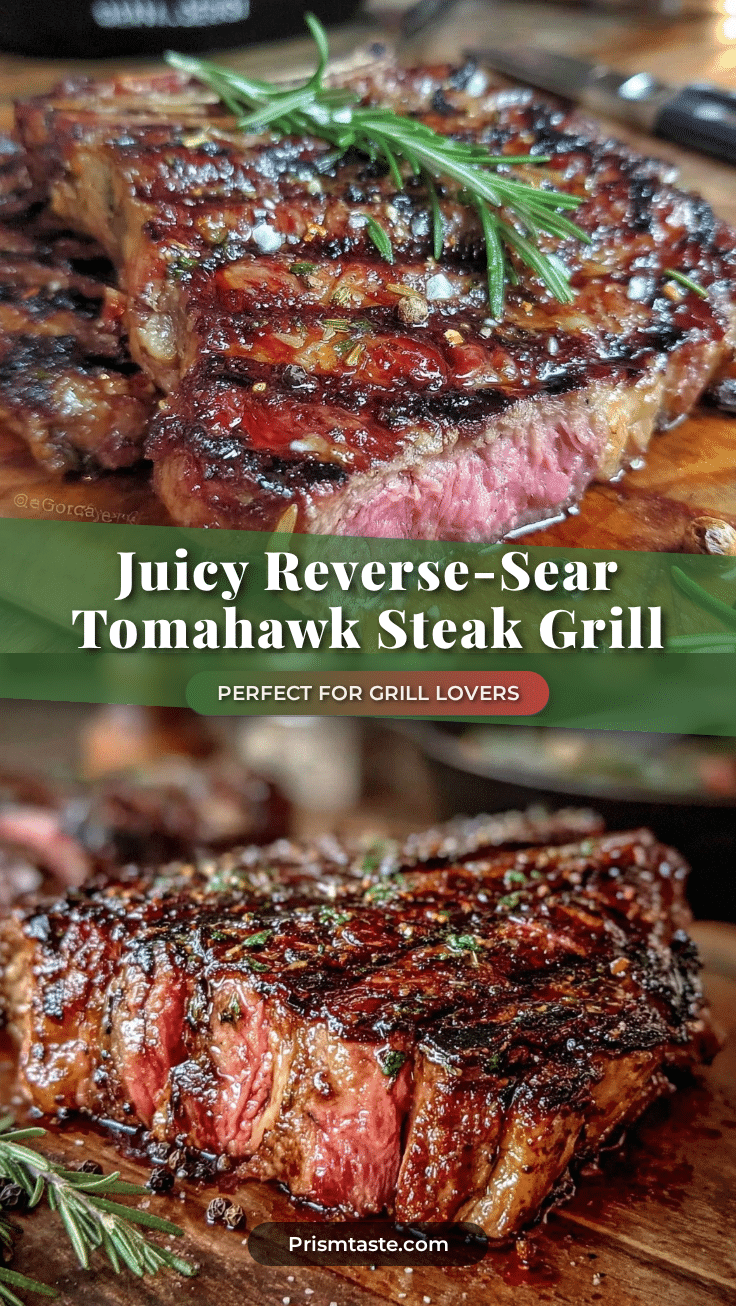
Perfect Reverse-Sear Tomahawk Steak Recipe with Juicy Grill Marks
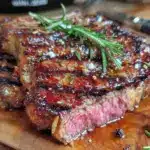
A step-by-step guide to cooking a juicy, tender tomahawk steak using the reverse-sear method for perfect medium-rare doneness and impressive grill marks.
- Prep Time: 10 minutes (plus at least 2 hours dry brine, ideally overnight)
- Cook Time: 30-40 minutes
- Total Time: 2 hours 40 minutes to overnight (including dry brine and resting times)
- Yield: 2-3 servings 1x
- Category: Main Course
- Cuisine: American
Ingredients
- 1 tomahawk steak (2–2.5 pounds / 900–1100 grams), well-marbled with thick bone
- 2 teaspoons kosher salt
- 1 teaspoon freshly ground black pepper
- 2 tablespoons high smoke point oil (grapeseed or avocado oil preferred)
- Optional: ½ teaspoon garlic powder
- Optional: Fresh herbs (rosemary or thyme sprigs)
Instructions
- Pat the tomahawk steak dry with paper towels. Sprinkle kosher salt evenly on all sides, including the bone. Let it sit uncovered in the fridge for at least 2 hours, ideally overnight.
- Remove the steak from the fridge about 30-45 minutes before cooking to bring it to room temperature.
- Preheat your grill for two-zone cooking: one side on high heat (about 500°F / 260°C) and the other side off for indirect cooking. If using charcoal, bank coals to one side.
- Place the steak on the cool side of the grill. Close the lid and cook until the internal temperature reaches about 110°F (43°C) for rare or 120°F (49°C) for medium-rare, usually 20-30 minutes depending on thickness. Use a meat thermometer to track.
- Remove the steak and let it rest for 5 minutes while preparing the hot side of the grill.
- Brush the steak with oil. Place it directly on the hot grill grates. Sear for 2-3 minutes per side, rotating 45 degrees halfway to create signature grill marks. Watch carefully to avoid flare-ups.
- Use a thermometer to confirm the steak is at your preferred doneness: 130°F (54°C) for medium-rare, 135°F (57°C) for medium. Remove promptly to avoid overcooking.
- Let the steak rest for 10 minutes to redistribute juices. Slice against the grain and serve.
Notes
Use a meat thermometer to ensure perfect doneness. Patience is key—avoid rushing the sear to prevent burnt crust and undercooked center. Keep a spray bottle handy to manage flare-ups during searing. Resting the steak after cooking is crucial to keep it juicy.
Nutrition
- Serving Size: 3 ounces (85 grams)
- Calories: 250
- Fat: 18
- Protein: 20
Keywords: tomahawk steak, reverse sear, grilling, steak recipe, juicy steak, grill marks, steakhouse steak, backyard barbecue