“Mama, this is the best thing you’ve ever made.” My eight-year-old said it with a spoon halfway to his mouth, tomato sauce dripping onto the counter. And I knew he meant it. Not because I’d spent hours at the stove stirring and sweating, but because I’d done the exact opposite. I’d walked away.
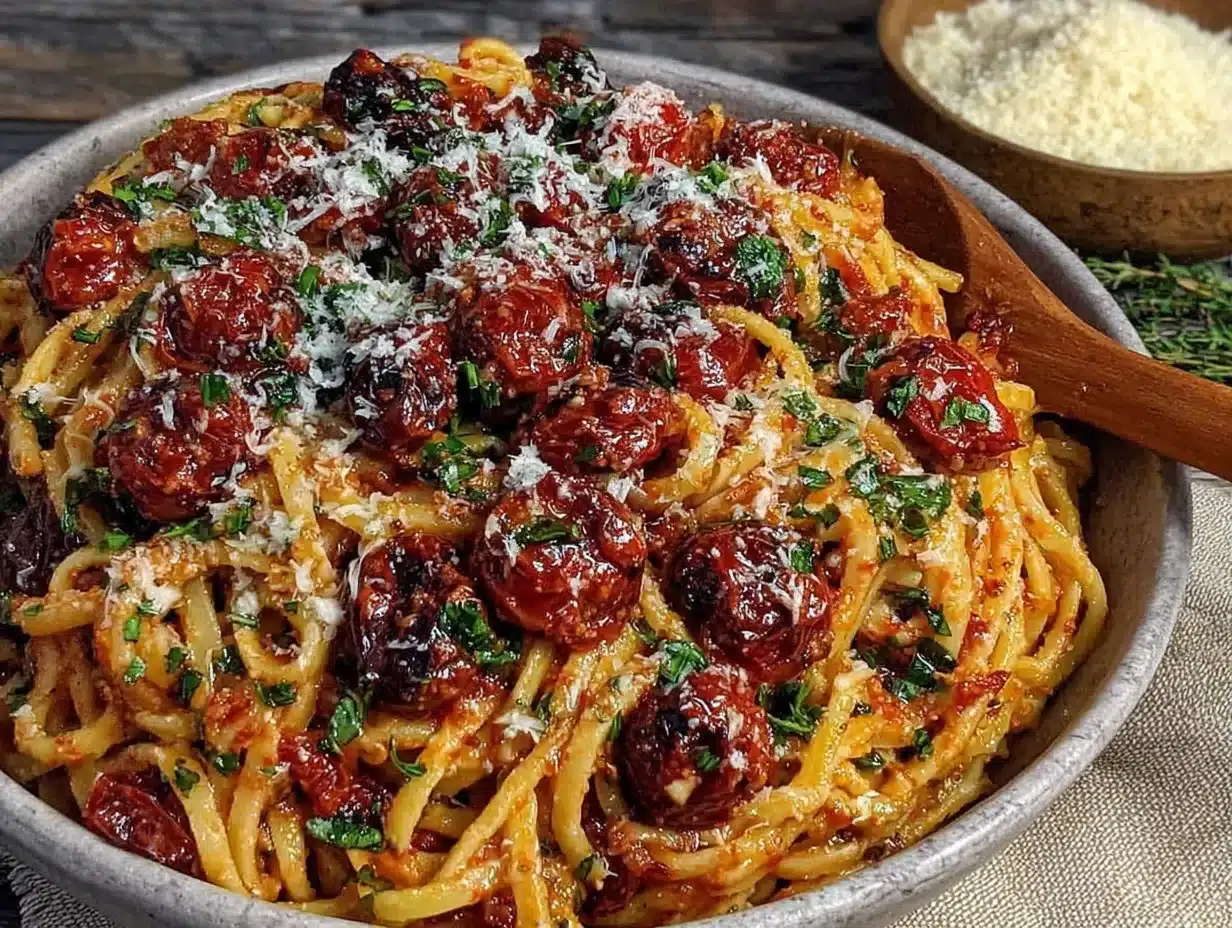
That’s the thing about this Best Slow-Roasted Cherry Tomato Pasta Sauce. It doesn’t need you to hover. It doesn’t need constant stirring or careful watching. It just needs time and a low oven. The tomatoes do all the work themselves, collapsing into this sweet, concentrated, almost jammy sauce that tastes like August in a bowl. Even in the middle of January. Even on a Tuesday night when you’re exhausted.
I stumbled onto this method completely by accident. I had a flat of cherry tomatoes that were about two days past their prime and zero energy to stand over a hot stove. So I tossed them in oil, threw them in the oven, and forgot about them for two hours. What came out was pure magic. Concentrated, sweet, deeply savory, and so much better than anything I’d ever made on the stovetop. It was the kind of sauce that makes you wonder why you ever bothered with the jarred stuff. And honestly? I haven’t looked back since.
Why You’ll Love This Recipe
Look, I get it. Pasta sauce from scratch sounds like a weekend project. Something you do when you have time and energy and maybe a glass of wine in hand. But this recipe flips that idea on its head. It’s actually easier than the stovetop version. No stirring. No splattering. No risk of burning. Just a sheet pan, an oven, and a little patience.
- Completely Hands-Off : The oven does all the work. You literally toss everything on a pan and walk away for two hours. That’s it.
- Simple Ingredients : Cherry tomatoes, garlic, olive oil, salt, and a few herbs. That’s the whole list. No fancy grocery trips required.
- Perfect for Meal Prep : Make a batch on Sunday and use it all week. It gets better as it sits, honestly.
- Freezer-Friendly : Double the recipe and stash some for those nights when you need dinner in fifteen minutes.
- Unbelievably Rich Flavor : The slow roasting concentrates the tomatoes’ natural sugars and creates this deep, caramelized flavor you just can’t get from stovetop cooking.
This isn’t just another tomato sauce recipe. It’s the one that makes you close your eyes after the first bite. It’s the one that makes your kitchen smell like an Italian grandmother lives there. And it’s the one that proves you don’t need to be a professional chef to make something truly spectacular. It’s comfort food at its finest, but somehow healthier and more vibrant than the heavy sauces you grew up with.
What Ingredients You Will Need
This recipe uses a short list of simple, wholesome ingredients. That’s part of the beauty. When you slow-roast cherry tomatoes, you don’t need a dozen spices or complicated additions. The tomatoes themselves become the star. Here’s what you’ll need:
- Cherry Tomatoes (2 pounds) – Look for firm, ripe tomatoes. The smaller ones work best because they roast faster and concentrate more deeply. I prefer a mix of red and yellow for color, but any variety works. If you can find them on the vine, even better.
- Garlic (6-8 cloves, peeled) – Whole cloves roast into sweet, buttery softness. Don’t chop them. They’ll melt into the sauce later. I like using fresh garlic from the farmers market when I can find it.
- Extra Virgin Olive Oil (¼ cup, plus more for drizzling) – Use a good one here. It’s a key flavor component. I’m partial to California Olive Ranch for everyday cooking, but use whatever you love.
- Fresh Basil Leaves (a handful) – Added at the end for brightness. Don’t roast the basil. It turns bitter. Just tear it over the finished sauce.
- Salt (1 teaspoon, plus more to taste) – I use flaky sea salt. Diamond Crystal kosher salt works beautifully too. Start with less and adjust at the end.
- Black Pepper (½ teaspoon, freshly ground) – Adds a subtle warmth that complements the sweet tomatoes.
- Red Pepper Flakes (optional, ¼ teaspoon) – For a little heat. I add them about half the time, depending on my mood.
- Balsamic Vinegar (1 tablespoon) – This is my secret ingredient. Just a splash brightens everything and adds depth. Don’t skip it.
- Pasta of Your Choice (1 pound) – I love this with pappardelle or spaghetti, but any long pasta works. For a lower-carb option, try it with zucchini noodles or chickpea pasta.
That’s it. Seven ingredients plus pasta. You probably have most of them in your kitchen right now. And if you don’t have fresh basil, dried works in a pinch. Though honestly, fresh makes a real difference here.
Equipment Needed
You don’t need much for this recipe. That’s the beauty of it. Here’s what you’ll want to have on hand:
- Large Rimmed Baking Sheet (half-sheet pan) – A rimmed pan is crucial. The tomatoes release liquid as they roast, and you don’t want that spilling everywhere. I use my trusty Nordic Ware sheet pan. It’s lasted me years and never warps.
- Parchment Paper or Silicone Baking Mat – Makes cleanup ridiculously easy. The caramelized tomato juices can stick to the pan, and nobody wants to scrub that off.
- Food Processor or Immersion Blender – For blending the roasted tomatoes into sauce. An immersion blender works right in the pan, which means fewer dishes. If you don’t have either, a potato masher works too for a chunkier texture.
- Large Pot – For cooking the pasta. Any large stockpot will do.
- Chef’s Knife and Cutting Board – For mincing garlic and prepping any fresh herbs.
- Wooden Spoon or Silicone Spatula – For stirring.
If you don’t have a food processor, don’t stress. I’ve made this sauce with just a fork and some elbow grease. The texture is different—chunkier, more rustic—but the flavor is exactly the same. And honestly, sometimes I prefer it that way.
Preparation Method
Alright, let’s get cooking. This is the easy part. I promise.
- Preheat your oven to 300°F (150°C). Yes, 300. Not 350. The lower temperature is what makes this work. It gently coaxes the moisture out of the tomatoes without burning them. Line your baking sheet with parchment paper or a silicone mat.
- Prep the tomatoes. Give them a quick rinse and pat them dry. Don’t bother halving them—whole is fine. Spread them in a single layer on the prepared baking sheet. They can touch, but try not to overlap them too much. You want even roasting.
- Add the garlic and seasonings. Tuck the garlic cloves in among the tomatoes. Drizzle everything with the olive oil. Sprinkle with salt, pepper, and red pepper flakes if using. Give the pan a gentle shake to coat everything evenly.
- Roast for 2 hours. This is where the magic happens. The tomatoes will slowly wrinkle, then burst, then collapse into concentrated little flavor bombs. The garlic will turn golden and soft. Your kitchen will smell incredible. About halfway through, give the pan a gentle stir to redistribute everything.
- Let it cool slightly. When the tomatoes are deeply wrinkled and the pan has a layer of gorgeous red-orange juice, pull it from the oven. Let it sit for 5-10 minutes. This is important—the sauce will thicken slightly as it cools.
- Blend the sauce. Transfer the roasted tomatoes, garlic, and all those beautiful pan juices to a food processor or blender. Add the balsamic vinegar. Pulse until smooth, or leave it a little chunky if you prefer. If you’re using an immersion blender, just blend right in the pan. Taste and adjust salt and pepper.
- Cook your pasta. While the sauce is resting, bring a large pot of salted water to a boil. Cook your pasta according to package directions until al dente. Reserve about a cup of pasta water before draining.
- Combine and serve. Return the drained pasta to the pot. Add the sauce and toss well. If it seems thick, add a splash of reserved pasta water to loosen it up. Tear the fresh basil leaves over the top and give it one more toss.
That’s it. Eight steps. Two of them are just waiting. The sauce should be silky, rich, and deeply tomato-forward. If it tastes a little too acidic, add a pinch of sugar. If it needs more salt, add it. Trust your taste buds here.
Cooking Tips & Techniques
I’ve made this sauce probably thirty times by now. And I’ve learned a few things along the way. Here are the tips I wish someone had told me:
Don’t rush the temperature. I know 300°F seems low. You might be tempted to crank it to 400 and speed things up. Don’t. The whole point of slow-roasting is to gently evaporate the water in the tomatoes while concentrating their natural sugars. High heat will cook them quickly, but you’ll end up with watery sauce and burnt edges. Trust the low heat. It knows what it’s doing.
Use a rimmed baking sheet. I learned this one the hard way. The first time I made this, I used a flat cookie sheet. The juices ran right off the edge and onto the bottom of my oven. Smelled awful. Took forever to clean. A rimmed pan contains all that beautiful liquid.
Save your pasta water. This is the number one tip for any pasta dish. The starchy water helps the sauce cling to the noodles. Add it a little at a time until the sauce reaches the perfect consistency. You might not use the whole cup, but you’ll be glad you have it.
Let the sauce rest. If you can, make the sauce a day ahead. The flavors meld and deepen overnight. It’s one of those recipes that’s actually better the next day. I often make a double batch on Sunday and use it throughout the week.
Don’t skip the balsamic. I know it seems like an odd addition, but that little splash of acid brightens everything. It’s not enough to taste like vinegar. It just makes the tomatoes taste more like themselves.
Variations & Adaptations
This recipe is incredibly flexible. Here are some ways to make it your own:
Vegan Version : This recipe is already vegan as written. But if you want to make it extra indulgent, stir in a spoonful of cashew cream or nutritional yeast at the end for a creamy, cheesy flavor without any dairy.
Spicy Arrabbiata Style : Double the red pepper flakes and add a whole dried chili to the roasting pan. The slow heat infuses the oil and gives the sauce a wonderful warmth that builds as you eat.
Herb-Infused : Tuck a few sprigs of fresh rosemary or thyme into the pan before roasting. Remove them before blending. The subtle herb flavor is incredible and adds another layer of complexity.
Roasted Vegetable Boost : Add a chopped red bell pepper or a small zucchini to the pan alongside the tomatoes. They roast beautifully and add sweetness and body to the sauce. I’ve done this when I had vegetables that needed using up, and it worked perfectly.
Quick Weeknight Hack : If you don’t have two hours, you can roast at 400°F for about 30-35 minutes. The flavor won’t be as deep, but it’s still better than jarred sauce. I’ve done this on busy nights, and it works in a pinch.
I once made this with a mix of cherry tomatoes and halved Roma tomatoes when that’s all I had. It was different—a little chunkier, a little less sweet—but still delicious. Don’t be afraid to experiment.
Serving & Storage Suggestions
This sauce is incredibly versatile. Here’s how to serve and store it:
Serving Suggestions: Toss it with your favorite pasta. Spread it on crusty bread for bruschetta. Use it as a pizza sauce. Spoon it over grilled chicken or fish. I’ve even used it as a dipping sauce for crispy air fryer corn on the cob on a whim, and it was unexpectedly amazing. Serve it warm, at room temperature, or even cold straight from the fridge on a hot day.
Storage Instructions: Store the sauce in an airtight container in the refrigerator for up to a week. The flavors will actually improve over the first few days. For longer storage, freeze the sauce in freezer-safe bags or containers for up to three months. I like to freeze it in individual portions so I can pull out exactly what I need.
Reheating: Reheat gently on the stovetop over medium-low heat, stirring occasionally. Add a splash of water or pasta water if it’s too thick. You can also microwave it in 30-second bursts, stirring between each. The sauce freezes beautifully and thaws without losing any flavor or texture.
How Flavors Develop: The sauce is delicious right after making it, but it really comes into its own after a day or two in the fridge. The garlic mellows, the herbs meld, and the tomatoes deepen. It’s one of those rare recipes that gets better with time.
Nutritional Information & Benefits
This sauce is as good for you as it is delicious. Here’s a rough breakdown per serving (about ½ cup sauce, without pasta):
- Calories: 120
- Fat: 9g (mostly from heart-healthy olive oil)
- Carbohydrates: 10g
- Fiber: 3g
- Sugar: 6g (natural, from the tomatoes)
- Protein: 2g
- Vitamin C: 25% of your daily needs
- Vitamin A: 20% of your daily needs
Cherry tomatoes are packed with lycopene, a powerful antioxidant that’s been linked to reduced inflammation and heart health. Slow-roasting actually makes the lycopene more bioavailable, meaning your body can absorb it better. Olive oil adds healthy monounsaturated fats, and garlic is a natural immune booster. This sauce is naturally gluten-free, dairy-free, vegan, and low in added sugar. It’s a nutrient-dense way to make any meal feel special.
I love that I can feed my family something that tastes this indulgent while knowing it’s actually really good for us. It’s the kind of recipe that makes you feel like you’re getting away with something.
Conclusion
This Best Slow-Roasted Cherry Tomato Pasta Sauce is the recipe that changed how I think about cooking. It taught me that sometimes the best things happen when you step back and let the ingredients do their thing. No fussing. No stressing. Just time, heat, and a little patience.
I hope you make this sauce. I hope you taste it and close your eyes. I hope you make a double batch and freeze half for a rainy day. And I hope you make it your own—add a little more garlic, a pinch more red pepper, a handful of fresh herbs. That’s the beauty of a recipe like this. It’s a starting point, not a rulebook.
If you try it, I’d love to hear how it goes. Leave a comment below and tell me what you paired it with. Did you toss it with pasta? Spoon it over grilled chicken? Use it as a dip? I want to know. And if you have a variation that blew your mind, share that too. That’s how recipes evolve. That’s how we all get better in the kitchen.
Now go roast some tomatoes. You won’t regret it.
Frequently Asked Questions
Can I use grape tomatoes instead of cherry tomatoes?
Absolutely. Grape tomatoes are slightly less sweet and a bit firmer, but they roast beautifully. You might need to add an extra 10-15 minutes to the roasting time since they’re denser.
Do I need to peel the tomatoes before roasting?
Not at all. The skins soften during roasting and blend completely smooth. If you prefer a super silky sauce, you can pass it through a fine-mesh strainer after blending, but I never bother.
Can I make this sauce without a food processor or blender?
Yes! Use a potato masher or a fork to break down the roasted tomatoes. The texture will be chunkier and more rustic, but the flavor is exactly the same. Some people actually prefer it this way.
How do I make this sauce less acidic?
If your sauce tastes too acidic, add a pinch of sugar or a splash of balsamic vinegar. The sweetness balances the acidity. You can also roast the tomatoes a little longer to concentrate their natural sugars.
Can I double this recipe?
Easily. Use two baking sheets and rotate them halfway through roasting. The sauce freezes perfectly, so I always make a double batch. It’s my go-to for busy weeknights when I need dinner fast. Pair it with quick garlic butter shrimp pasta with cherry tomatoes for an unforgettable meal.
Pin This Recipe!
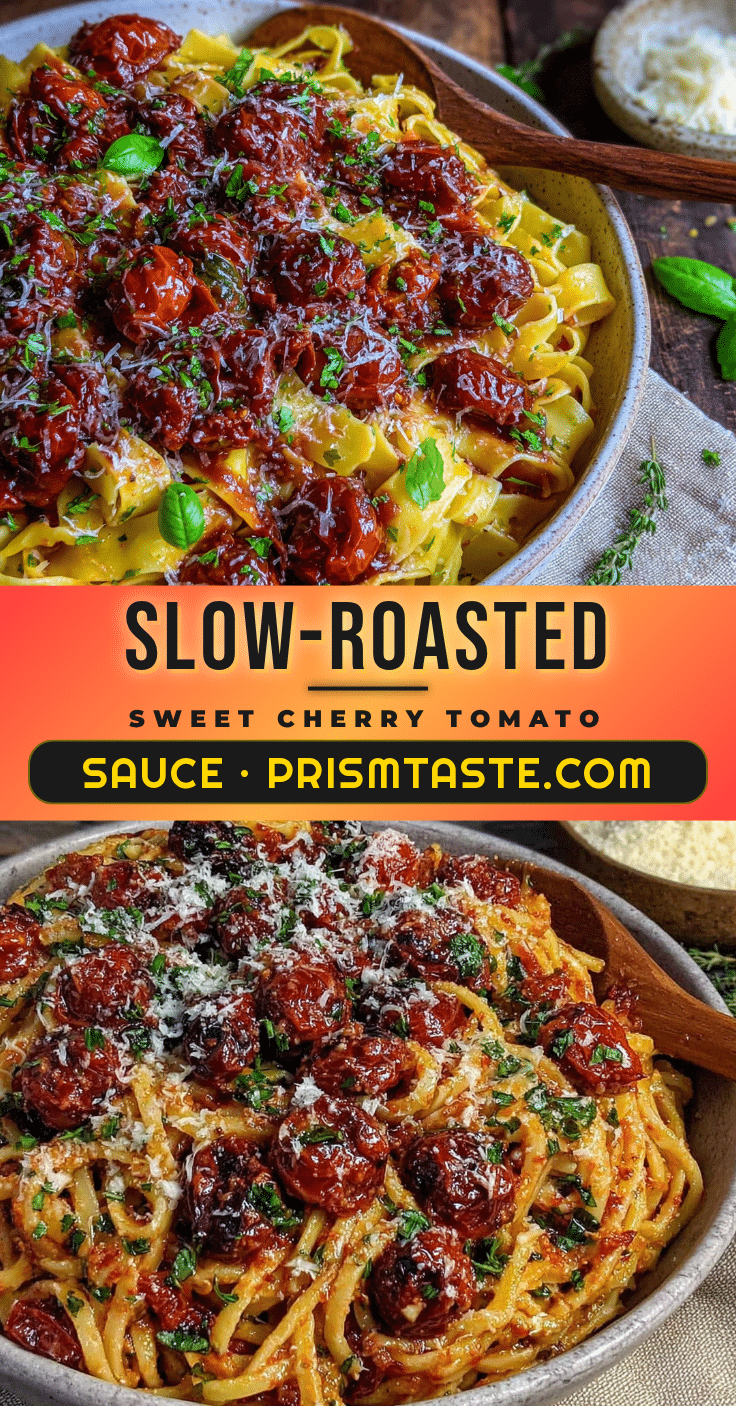
Best Slow-Roasted Cherry Tomato Pasta Sauce: Easy Homemade Recipe
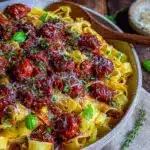
This hands-off slow-roasted cherry tomato pasta sauce requires minimal effort and delivers deep, sweet, and savory flavor. Perfect for busy weeknights or meal prep, it’s made with simple ingredients and tastes like August in a bowl.
- Prep Time: 10 minutes
- Cook Time: 2 hours
- Total Time: 2 hours 10 minutes
- Yield: 4 servings 1x
- Category: Main Course
- Cuisine: Italian
Ingredients
- 2 pounds cherry tomatoes
- 6–8 cloves garlic, peeled
- 1/4 cup extra virgin olive oil, plus more for drizzling
- 1 handful fresh basil leaves
- 1 teaspoon salt, plus more to taste
- 1/2 teaspoon freshly ground black pepper
- 1/4 teaspoon red pepper flakes (optional)
- 1 tablespoon balsamic vinegar
- 1 pound pasta of your choice
Instructions
- Preheat your oven to 300°F (150°C). Line a baking sheet with parchment paper or a silicone mat.
- Rinse and pat dry the cherry tomatoes. Spread them in a single layer on the prepared baking sheet.
- Tuck the garlic cloves among the tomatoes. Drizzle with olive oil and sprinkle with salt, pepper, and red pepper flakes (if using). Gently shake the pan to coat.
- Roast for 2 hours, stirring gently halfway through, until the tomatoes are deeply wrinkled and the pan has a layer of juice.
- Let the roasted tomatoes cool for 5-10 minutes.
- Transfer the roasted tomatoes, garlic, and pan juices to a food processor or blender. Add the balsamic vinegar. Pulse until smooth or leave chunky if preferred. Taste and adjust salt and pepper.
- Cook the pasta according to package directions until al dente. Reserve about 1 cup of pasta water before draining.
- Return the drained pasta to the pot. Add the sauce and toss well. If the sauce is too thick, add a splash of reserved pasta water. Tear fresh basil leaves over the top and toss again.
Notes
Don’t rush the temperature; 300°F is key for concentrating flavors. Use a rimmed baking sheet to contain juices. Save pasta water to adjust sauce consistency. Let the sauce rest overnight for deeper flavor. Don’t skip the balsamic vinegar.
Nutrition
- Serving Size: 1/2 cup sauce (witho
- Calories: 120
- Sugar: 6
- Sodium: 300
- Fat: 9
- Saturated Fat: 1.5
- Carbohydrates: 10
- Fiber: 3
- Protein: 2
Keywords: slow-roasted cherry tomato pasta sauce, easy homemade pasta sauce, cherry tomato sauce, vegan pasta sauce, gluten-free pasta sauce