There’s just something magical about the aroma of simmering spices, fresh ginger, and beef bones that fills the kitchen when I make Vietnamese Pho Soup. The very first time I stood over a bubbling pot of beef pho, the scent was so inviting that my whole family drifted into the kitchen. It’s the kind of fragrance that wraps around you on a chilly evening—a little bit sweet, a little savory, with a burst of freshness from the herbs. Honestly, even now, each time I make this Vietnamese pho soup recipe, it takes me back to that first “aha!” moment. I was instantly hooked—one spoonful of that steaming broth and I knew I’d stumbled onto something truly special. It’s a moment that makes you pause, breathe in, and smile because you know you’ve found your new go-to comfort food.
You know what’s funny? When I was knee-high to a grasshopper, I thought soup was just for sick days and cold weather. But after a friend introduced me to a tiny pho shop tucked in our neighborhood, everything changed. There’s a reason this dish is beloved in Vietnam for breakfast, lunch, and dinner. The noodles are slippery and satisfying, the beef melts in your mouth, and the fresh herbs—cilantro, Thai basil, mint—bring the whole bowl to life. My family can never wait for the bowls to cool. They sneak bites right out of the pot (and I can’t blame them).
Honestly, I wish I’d discovered how easy it is to make pho at home years ago. It’s dangerously easy, and the results taste like pure, nostalgic comfort. Whether you need a soul-warming dinner after a long day, want to brighten up your Pinterest board, or just crave something cozy and homemade, this Vietnamese pho soup recipe is your answer. I’ve tested it more times than I can count (all in the name of research, of course), and it’s now a staple for family gatherings and lazy weekend dinners. This soup feels like a warm hug, and you’re going to want to bookmark this one—you’ll come back to it again and again.
Why You’ll Love This Vietnamese Pho Soup Recipe
After years of tinkering, tasting, and learning from Vietnamese friends and local chefs, I can confidently say this beef pho is something truly special. It’s the kind of recipe that checks all the boxes: big flavor, easy process, and tons of flexibility. Here’s what makes this bowl of comfort stand out from the rest:
- Quick & Easy: You can have restaurant-worthy beef pho on the table in under 90 minutes—no need to babysit a pot for half a day. Perfect for busy weeknights or when last-minute cravings strike.
- Simple Ingredients: Everything you need can be found at your local grocery store (no mystery items, just pantry staples and fresh produce).
- Perfect for Cozy Dinners: This soup is just right for a chilly evening, a casual get-together, or a Sunday meal that brings everyone together.
- Crowd-Pleaser: Kids and adults alike go back for seconds. Even folks who claim they’re not “soup people” end up slurping the bowl clean.
- Unbelievably Delicious: The broth is rich, aromatic, and layered with flavor, while the tender beef and fresh herbs create a next-level comfort food experience.
So, what makes this Vietnamese pho soup recipe different? For starters, I use a smart shortcut—parboiling the bones and roasting the aromatics for maximum flavor without the fuss. The spice blend is perfectly balanced; you get all the classic pho notes without needing a spice grinder or a trip across town. And the finishing touches—lime, hoisin, sriracha, crunchy sprouts—let everyone customize their bowl just how they like it.
This isn’t just another beef noodle soup. It’s the one that makes you close your eyes after the first spoonful and think, “Wow, this is it.” It’s cozy, it’s craveable, and it’s the dish you’ll serve when you want to impress with zero stress. Whether you’re new to Vietnamese cooking or a pho fanatic, this recipe brings you all the soul-soothing satisfaction of a classic bowl, right from your own kitchen.
What Ingredients You Will Need for Vietnamese Pho Soup
This Vietnamese pho soup recipe is all about building layers of flavor with simple, honest ingredients. Most of these are pantry staples or basic produce, so you won’t be running around town. Here’s what you’ll need to make a big, cozy pot of homemade beef pho:
- For the Broth:
- Beef bones (about 2 lbs / 900g, leg or marrow bones preferred for deep flavor)
- Beef brisket or chuck (1 lb / 450g, adds richness and tender meat for serving)
- Yellow onions (2 large, peeled and halved)
- Fresh ginger (4-inch piece, cut in half lengthwise)
- Star anise (3 whole pods, for that signature aroma)
- Cinnamon stick (1 large or 2 small)
- Cloves (5 whole)
- Coriander seeds (1 tbsp / 8g, lightly crushed)
- Fish sauce (1/4 cup / 60ml, I use Red Boat or Three Crabs for best flavor)
- Sugar (1 tbsp / 12g, rock sugar if possible, but white sugar works fine)
- Salt (1 tbsp / 15g, adjust to taste)
- Water (4-5 quarts / 4-5 liters, enough to cover the bones)
- For the Noodles & Beef:
- Dried rice noodles (banh pho, 12 oz / 340g, medium thickness)
- Eye of round, sirloin, or filet mignon (1/2 lb / 225g, thinly sliced against the grain; pop in freezer for 30 min to slice easily)
- For the Garnishes:
- Fresh cilantro (small bunch, chopped)
- Thai basil leaves (1 cup, whole or torn)
- Fresh mint (optional, for extra brightness)
- Bean sprouts (2 cups, rinsed well)
- Lime wedges (2 limes, cut into wedges)
- Jalapeño or Thai chili (1-2, thinly sliced, for heat)
- Hoisin sauce and sriracha (for serving, add to taste)
- Green onions (2, sliced thinly)
- White onion (1/2, paper-thin slices, optional but authentic!)
Ingredient Tips: For the best broth, ask your butcher for a mix of marrow and knuckle bones. If you’re gluten-free, double-check your fish sauce and hoisin labels. In summer, try adding fresh herbs from the garden or local market. If you can’t find Thai basil, regular basil works in a pinch. Don’t worry if you don’t have rock sugar—it’s a nice touch, but plain sugar does the trick. And for a lighter version, use lean beef and skip the brisket.
Equipment Needed
You don’t need fancy equipment to make this Vietnamese pho soup recipe—just a few kitchen basics and a little bit of patience. Here’s what I use (and a few suggestions if you need to improvise):
- Large stockpot (at least 8 quarts/7.5 liters): The bigger, the better for simmering bones and veggies. If you don’t have a stockpot, use your biggest Dutch oven or even a slow cooker (just adjust the water as needed).
- Fine mesh strainer or cheesecloth: To remove bones, spices, and bits from the broth. I’ve used both—cheesecloth is great for messy spice bundles, but a strainer gets the job done.
- Tongs and slotted spoon: For fishing out bones, brisket, and aromatics without burning your fingers.
- Knife and cutting board: For slicing beef and prepping garnishes. A sharp knife is your best friend here, especially for those super-thin beef slices.
- Medium saucepan: For cooking the noodles separately (trust me, don’t add them to the broth or they’ll get soggy).
- Ladle: For serving that beautiful, clear broth into bowls.
If you’re tight on budget, don’t sweat the specialty tools. I’ve made pho with just a basic pot and a colander before! Just watch for splashes when pouring out the broth. For an extra clear soup, strain twice (once with a regular sieve, then again with a fine mesh). And if you love making stocks, invest in a sturdy stockpot—it makes the whole process smoother and cleanup is a breeze.
Preparation Method: How to Make Vietnamese Pho Soup
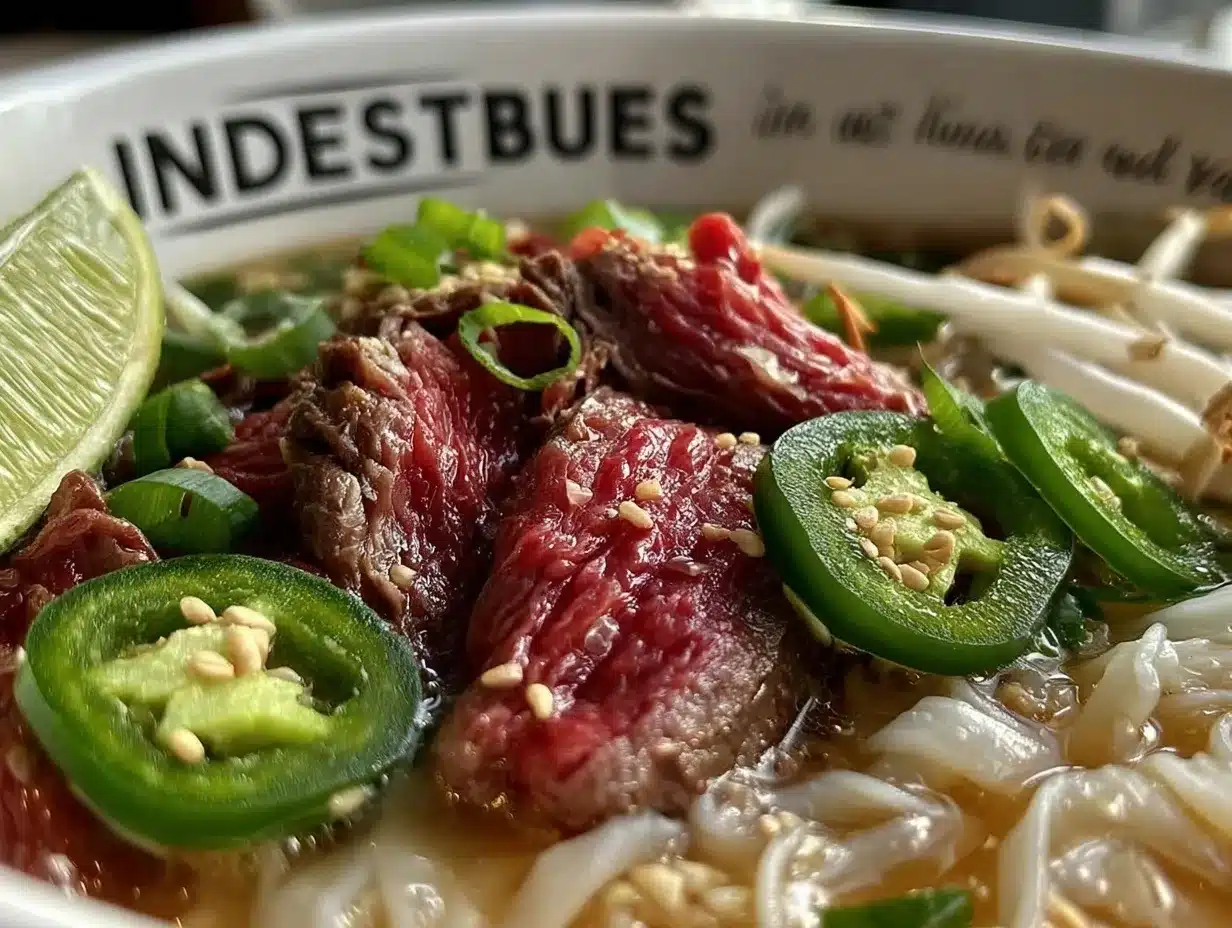
-
Prepare the Bones and Meat
Add 2 lbs (900g) beef bones and 1 lb (450g) brisket or chuck to a large stockpot. Cover with cold water. Bring to a boil over high heat (about 10 minutes).
Tip: This step helps remove impurities for a clear broth. -
Parboil and Clean
Once boiling, let it bubble for 5 minutes. Skim off any foam with a spoon. Carefully drain the bones and meat, rinse under cold water, and scrub the pot clean.
Note: Don’t skip rinsing—this keeps your broth golden and clear. -
Roast the Aromatics
While the bones cool, char 2 onions and the ginger (cut sides down) directly over a gas flame or under the broiler for 5-7 minutes, until deeply browned and fragrant.
Sensory cue: You want the skins to blister and aromas to fill the kitchen! -
Simmer the Broth
Return bones and brisket to the clean pot. Add the charred onions and ginger. Toss in 3 star anise, 1 cinnamon stick, 5 cloves, and 1 tbsp (8g) coriander seeds (you can tie spices in cheesecloth if you like). Cover with 4-5 quarts (4-5L) fresh water.
Bring to a gentle simmer—don’t let it boil hard! Skim off any new foam.
Time: Simmer for 1.5 to 2 hours. -
Season the Broth
After 1 hour, remove brisket and set aside (cover with foil to keep moist). Add 1/4 cup (60ml) fish sauce, 1 tbsp (12g) sugar, and 1 tbsp (15g) salt. Taste and adjust seasoning as needed. -
Strain and Finish
Once the broth is flavorful (about 2 hours total), strain through a fine mesh strainer or cheesecloth into a clean pot. Discard solids. Skim off excess fat, or leave some for richer flavor. -
Prep the Noodles and Beef
Cook 12 oz (340g) dried banh pho noodles per package instructions, drain, and rinse under cold water.
Thinly slice 1/2 lb (225g) beef (eye of round/sirloin) against the grain. Slice the cooked brisket into thin pieces. -
Assemble the Bowls
Divide noodles among bowls. Top with brisket slices and raw beef (the hot broth will cook it).
Ladle boiling broth over the beef, making sure it’s fully submerged. -
Add Garnishes
Pile on fresh cilantro, Thai basil, mint, bean sprouts, green onions, white onion slices, lime wedges, jalapeño, and a squirt of hoisin or sriracha, if you like. -
Serve Immediately
Enjoy hot, slurping up every last drop.
Pro tip: Tweak your toppings with each bite for the perfect flavor balance!
Troubleshooting:
If your broth tastes flat, add a dash more fish sauce or a pinch of salt. Too rich? Add a splash of hot water. Broth cloudy? Don’t worry, it still tastes great—next time, skim foam more often. And if the beef isn’t cooking through, make sure your broth is piping hot before pouring into the bowls.
Cooking Tips & Techniques
Making Vietnamese pho soup at home is easier than you think, but a few pro tips can make all the difference. Here’s what I’ve learned (sometimes the hard way):
- Always Parboil Your Bones: This step is non-negotiable for crystal-clear broth. I skipped it once—never again. The broth turned out dull and murky. A quick pre-boil and rinse keeps the flavor pure and the soup gorgeous.
- Char Your Aromatics: Don’t just toss them in raw! The blackened skin on onions and ginger brings a smoky depth. I use tongs to hold them over my gas flame, but a broiler works too.
- Spice Bundle Hack: Tie your whole spices in cheesecloth for easy removal. No more fishing out stray cloves with a spoon (been there, done that).
- Don’t Let the Broth Boil Hard: Keep it at a gentle simmer. If it bubbles wildly, you’ll end up with cloudy soup. Lower the heat and relax—it’s worth the patience.
- Slice Beef Paper-Thin: For that classic pho experience, pop your beef in the freezer for 30 minutes first. It’s much easier to get those delicate slices, and they’ll cook perfectly in the hot broth.
- Multitask Smartly: While the broth simmers, prep your garnishes and noodles. It saves time and keeps everything fresh.
- Taste and Adjust: Every batch of pho is a little different—sometimes you need a splash more fish sauce, sometimes an extra squeeze of lime. Taste as you go (and don’t be shy with the seasoning).
I’ve forgotten the noodles in the pot before (they get mushy fast), so I always rinse them in cold water and toss with a bit of neutral oil. That way, they stay separate and springy until serving. If you’re feeding a crowd, keep the broth simmering and let everyone build their own bowl—it’s half the fun and keeps things piping hot.
Variations & Adaptations
The beauty of Vietnamese pho soup is how easy it is to adapt to your own tastes or dietary needs. Here are some of my favorite ways to play with the recipe:
- Chicken Pho (Pho Ga): Swap the beef bones for chicken backs and thighs. Use chicken breast or thigh meat for the topping. The broth will be lighter but just as aromatic—my kids love this version!
- Vegetarian Pho: Use a vegetable broth base with charred onions, ginger, and a mix of mushrooms for depth. Add tofu or seared mushrooms for protein. You can still use all the classic spices and toppings.
- Low-Carb or Gluten-Free: Try zucchini noodles or shirataki noodles instead of rice noodles. Just check your fish sauce and hoisin for hidden gluten or sugar.
- Spicy Pho: Add extra Thai chili or a dash of chili oil to the broth for a fiery kick. I sometimes toss in a few dried chilies right into the simmering pot for heat lovers.
- Herb Garden Pho: When my garden is overflowing, I use Thai basil, mint, cilantro, and even lemon balm. Fresh herbs make each bowl unique.
For allergies, skip the fish sauce and use soy sauce or coconut aminos for a vegan and allergy-friendly version. I’ve even tried swapping brisket for thin-sliced lamb—surprisingly delicious! The recipe is forgiving, so don’t be afraid to make it your own.
Serving & Storage Suggestions
Vietnamese pho soup is best served piping hot, straight from the pot. I like to bring everything to the table—noodles, sliced beef, fresh herbs, sprouts, sauces—so everyone can customize their bowl. Keep the broth simmering until serving so it cooks the beef perfectly and stays steamy.
For presentation, use wide, deep bowls (the kind you’d see at a pho shop). Arrange the garnishes in colorful piles—cilantro, basil, mint, lime, sprouts, and chilies. It’s a feast for the eyes and tastes as good as it looks. Pair with iced tea, a crisp lager, or sparkling water with lime for a refreshing touch.
To store leftovers, cool the broth completely and refrigerate in airtight containers for up to 4 days. The flavor actually deepens overnight! Store cooked noodles, sliced beef, and garnishes separately to keep them from turning mushy. Reheat broth on the stove until boiling, and pour over the beef and noodles to warm them instantly. Pho also freezes beautifully—just freeze the broth (without noodles or garnishes) in portions for up to 3 months. Defrost, reheat, and enjoy a cozy bowl anytime.
Nutritional Information & Benefits
This Vietnamese pho soup recipe is surprisingly wholesome. Each serving (about 2 cups broth, 3 oz noodles, and beef plus garnishes) is estimated at:
- Calories: 400-450
- Protein: 28g
- Carbohydrates: 40g
- Fat: 14g
- Sodium: 1200mg (mostly from fish sauce—adjust to taste)
Pho is naturally gluten-free if you use traditional rice noodles and check your fish sauce. With all those fresh herbs and lime, you get a boost of vitamin C and antioxidants. The beef provides protein and iron, while the broth is rich in minerals drawn from the bones. If you’re watching calories or carbs, use less noodles or swap in spiralized veggies. For allergies, just skip hoisin (peanut risk) and use a gluten-free soy sauce alternative. I always feel good after a bowl—nourished, satisfied, and a little lighter on my feet.
Conclusion
There’s a reason Vietnamese pho soup is loved worldwide—it’s the ultimate cozy meal for any season, and making it at home is easier than you’d think. This recipe gives you all the bold, aromatic flavors of classic beef pho with simple steps and plenty of room to make it your own. Whether you’re new to pho or a lifelong fan, I hope you’ll try this bowl of pure comfort soon.
Don’t be afraid to experiment with different broths, meats, or garnishes—pho is all about joy and personalization. I love this recipe because it brings my family together, warms us from the inside out, and always sparks happy conversation around the table. If you try this Vietnamese pho soup recipe, let me know how it turns out! Share your tweaks, questions, and photos in the comments below. Bookmark this for your next cozy dinner—you won’t regret it. Sending you a virtual bowl of warmth and good vibes!
Frequently Asked Questions (FAQs)
Can I make Vietnamese pho soup ahead of time?
Absolutely! The broth actually tastes even better the next day. Just store the broth, noodles, and garnishes separately, and reheat the broth until boiling before serving.
What kind of beef is best for pho?
For the soup base, use beef bones and brisket or chuck. For topping, go for thinly sliced eye of round, sirloin, or filet mignon—they cook instantly in the hot broth.
Can I make this recipe gluten-free?
Yes! Use traditional rice noodles, double-check your fish sauce and hoisin labels, and you’re good to go. Skip the hoisin sauce if you have a soy or peanut allergy.
How do I get clear pho broth?
Always parboil and rinse your bones, skim off foam as it simmers, and don’t let the broth boil rapidly. Straining through cheesecloth or a fine mesh helps too.
What if I can’t find all the spices for pho?
No worries! Star anise, cinnamon, and cloves are most important. If you’re missing coriander seeds or cardamom, your pho will still turn out delicious and comforting.
Pin This Recipe!
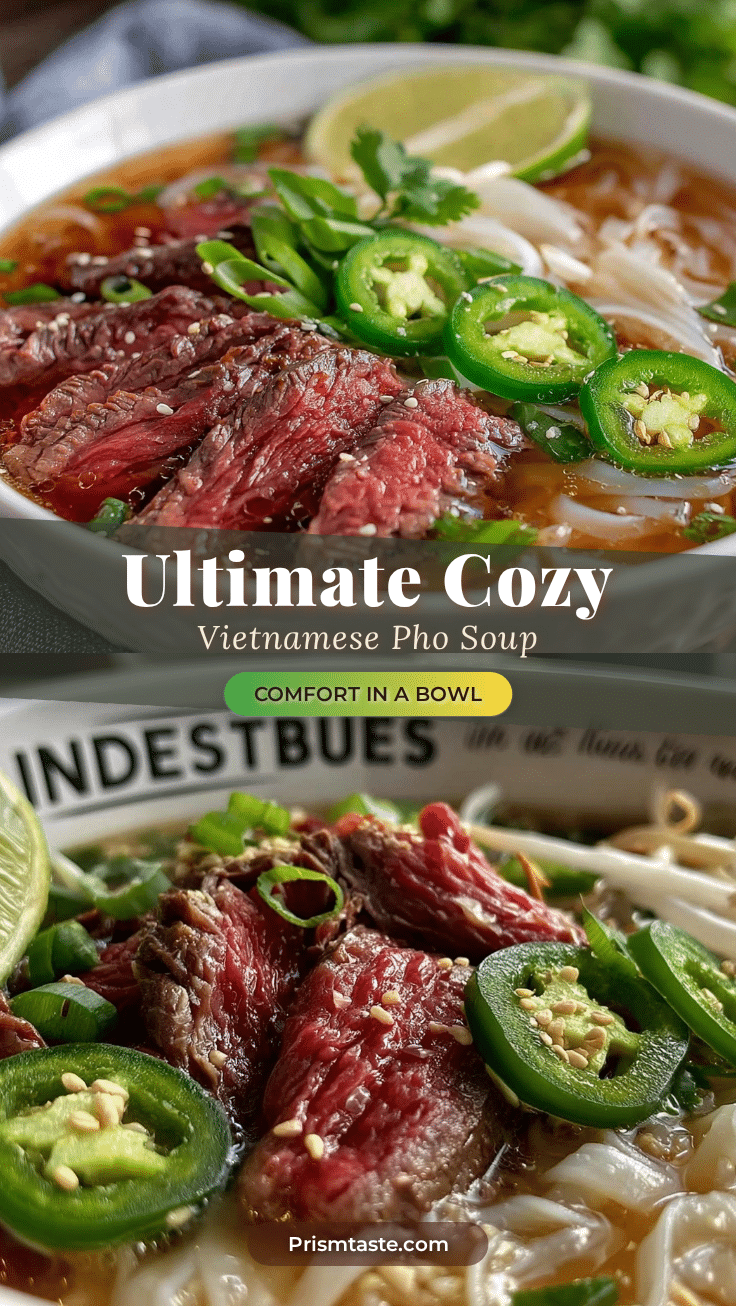
Vietnamese Pho Soup Recipe: Easy Beef Pho for Cozy Homemade Dinners
This Vietnamese beef pho soup features a rich, aromatic broth simmered with spices, tender beef, and fresh herbs. It’s a comforting, restaurant-worthy noodle soup you can easily make at home for cozy family dinners.
- Prep Time: 30 minutes
- Cook Time: 1 hour 30 minutes
- Total Time: 2 hours
- Yield: 6 servings 1x
- Category: Main Course
- Cuisine: Vietnamese
Ingredients
- 2 lbs beef bones (leg or marrow bones preferred)
- 1 lb beef brisket or chuck
- 2 large yellow onions, peeled and halved
- 1 (4-inch) piece fresh ginger, halved lengthwise
- 3 whole star anise pods
- 1 large cinnamon stick (or 2 small)
- 5 whole cloves
- 1 tbsp coriander seeds, lightly crushed
- 1/4 cup fish sauce
- 1 tbsp sugar (rock sugar or white sugar)
- 1 tbsp salt
- 4–5 quarts water
- 12 oz dried rice noodles (banh pho, medium thickness)
- 1/2 lb eye of round, sirloin, or filet mignon, thinly sliced against the grain
- Fresh cilantro, chopped (small bunch)
- 1 cup Thai basil leaves
- Fresh mint (optional)
- 2 cups bean sprouts, rinsed
- 2 limes, cut into wedges
- 1–2 jalapeño or Thai chili, thinly sliced
- Hoisin sauce and sriracha, for serving
- 2 green onions, thinly sliced
- 1/2 white onion, paper-thin slices (optional)
Instructions
- Add beef bones and brisket or chuck to a large stockpot. Cover with cold water and bring to a boil over high heat (about 10 minutes).
- Let boil for 5 minutes, skim off any foam, then drain bones and meat. Rinse under cold water and scrub the pot clean.
- Char onions and ginger (cut sides down) directly over a gas flame or under the broiler for 5-7 minutes until deeply browned and fragrant.
- Return bones and brisket to the clean pot. Add charred onions and ginger, star anise, cinnamon stick, cloves, and coriander seeds. Cover with 4-5 quarts fresh water.
- Bring to a gentle simmer, skimming off any new foam. Simmer for 1.5 to 2 hours.
- After 1 hour, remove brisket and set aside (cover with foil). Add fish sauce, sugar, and salt to the broth. Taste and adjust seasoning.
- Once broth is flavorful (about 2 hours total), strain through a fine mesh strainer or cheesecloth into a clean pot. Discard solids and skim off excess fat.
- Cook rice noodles according to package instructions, drain, and rinse under cold water.
- Thinly slice raw beef (eye of round/sirloin) against the grain. Slice cooked brisket into thin pieces.
- Divide noodles among bowls. Top with brisket slices and raw beef.
- Ladle boiling broth over the beef to cook it.
- Add garnishes: cilantro, Thai basil, mint, bean sprouts, green onions, white onion slices, lime wedges, jalapeño, and hoisin or sriracha as desired.
- Serve immediately and enjoy hot.
Notes
Parboiling bones and charring aromatics are key for a clear, flavorful broth. Slice beef paper-thin for best results; freeze for 30 minutes before slicing. Taste and adjust seasoning as needed. Store broth, noodles, and garnishes separately for leftovers. Pho is naturally gluten-free if using rice noodles and gluten-free fish sauce.
Nutrition
- Serving Size: About 2 cups broth,
- Calories: 425
- Sugar: 4
- Sodium: 1200
- Fat: 14
- Saturated Fat: 5
- Carbohydrates: 40
- Fiber: 3
- Protein: 28
Keywords: pho, Vietnamese soup, beef noodle soup, homemade pho, easy pho recipe, comfort food, gluten-free, Asian soup, noodle soup, family dinner