Picture this: you walk into the kitchen, and the heady aroma of freshly cracked black pepper blooming in melted butter hits your nose. Next, you see ribbons of pasta swirling in a glossy, creamy cheese sauce, the kind that clings to every strand and makes your fork twirl a little slower. The first time I made this Cacio e Pepe Pasta Recipe Easy Creamy Cheese & Pepper Sauce, it was a rainy Sunday—one of those days where you crave something soul-warming but don’t have the energy for a complicated meal. I remember standing at the stove, coaxing together cheese and pasta water, and when I took that first forkful… wow. It was the kind of moment where you pause, take a deep breath, and just smile because you know you’re onto something truly special.
There’s a bit of nostalgia here for me. My nonna used to say, “The simplest things, when done right, are the best.” As a kid, I’d watch her make pasta with whatever cheese we had on hand, but the classic cacio e pepe—just cheese and pepper—was always her favorite. I tried to recreate that magic, and let’s face it, this dish is dangerously easy. My family couldn’t stop sneaking bites straight out of the pan (and I can’t really blame them). I wish I’d discovered how truly foolproof and comforting this recipe is years ago.
It’s perfect for quick weeknight dinners, cozy nights in, or when you want to impress your friends but don’t want to spend all day in the kitchen. Whether you’re making a romantic dinner or just need a bowl of pure, nostalgic comfort after a long day, this creamy cacio e pepe pasta is your answer. I’ve tested it more times than I care to admit (in the name of research, of course), and it’s become a staple for family gatherings, gifting, and those “treat yourself” moments. It truly feels like a warm hug—and let me tell you, you’re going to want to bookmark this one.
Why You’ll Love This Cacio e Pepe Pasta Recipe Easy Creamy Cheese & Pepper Sauce
Let me break it down from someone who’s whisked, stirred, and probably grated more cheese than I’ll ever admit. This cacio e pepe pasta isn’t just another cheese and pepper dish. It’s the one you’ll keep coming back to, and here’s why:
- Quick & Easy: You can whip up this pasta in under 20 minutes. Perfect for those nights when you want something special, but your energy (and patience) is running low.
- Simple Ingredients: No wild goose chases at the grocery store—just pasta, cheese, pepper, butter, and a bit of pasta water. Most of these are probably in your pantry or fridge right now.
- Perfect for Any Occasion: This dish shines at dinner parties, low-key date nights, or even as a late-night snack. It always feels fancy, but it’s honestly so fuss-free.
- Crowd-Pleaser: Kids love the creamy, cheesy flavor, and adults appreciate the peppery kick. I’ve served this at family gatherings and watched everyone go back for seconds (sometimes thirds!).
- Unbelievably Delicious: The creamy cheese sauce hugs every pasta strand, and the freshly cracked black pepper brings just enough heat to make it interesting. It’s comfort food, pure and simple.
What really sets this recipe apart is the technique—emulsifying the cheese with starchy pasta water and butter. It takes a little patience, but the payoff is a sauce that’s not gritty or stringy but perfectly silky. I use a blend of Pecorino Romano and Parmesan for a balanced, nutty flavor, and freshly ground black pepper (never the pre-ground stuff—it just doesn’t have the same zing). If you’ve had cacio e pepe before and found it clumpy, this version fixes that—promise.
This recipe isn’t just good—it’s one of those meals that makes you close your eyes and sigh with happiness. It’s old-school comfort, made a touch easier and creamier, but with all the soul of the Roman trattoria classic. Serve it to guests and look like a pasta magician, or keep it all to yourself (no judgment here). Honestly, it’s become my go-to for when I need a little edible happiness.
What Ingredients You Will Need for Creamy Cacio e Pepe Pasta
This recipe uses simple, honest ingredients to deliver that bold, creamy flavor with absolutely no fuss. You might even have everything already sitting in your kitchen, just waiting to be turned into magic.
- Pasta: 12 oz (340 g) spaghetti, bucatini, or tonnarelli (Spaghetti is classic, but use whatever long pasta you have. I like De Cecco for its texture.)
- Pecorino Romano Cheese: 1 1/2 cups (120 g), finely grated (Salty and tangy. Buy a wedge and grate it fresh for best results.)
- Parmesan Cheese: 1/2 cup (40 g), finely grated (Adds nuttiness and balances the sharpness of the Pecorino. I recommend Parmigiano-Reggiano if you can find it.)
- Freshly Ground Black Pepper: 2 tsp (or more to taste) (Use whole peppercorns and crack them yourself. The flavor is unbeatable.)
- Unsalted Butter: 2 tbsp (28 g) (Optional for extra creaminess. I use Kerry Gold for its rich flavor.)
- Salt: For pasta water (Be generous—salty water flavors the pasta.)
- Pasta Cooking Water: 1 1/4 cups (300 ml), reserved (Don’t skip this! The starch in the water is the secret to a creamy, emulsified sauce.)
Ingredient Tips & Substitutions:
- Cheese: Pecorino Romano is classic, but you can use all Parmesan if that’s what you have (just add a pinch of extra salt). For a vegetarian version, check your cheese for animal rennet.
- Pasta: Any long pasta works. For gluten-free, try a quality gluten-free spaghetti (Barilla’s works well and doesn’t get mushy).
- Butter: Leave it out if you want a more traditional Roman cacio e pepe, but I find a little butter helps the sauce come together and makes it extra velvety.
- Black Pepper: Freshly cracked is a must. Pre-ground pepper just isn’t the same—it lacks that punchy aroma.
- Milk Allergies: Swap in a vegan hard cheese and plant-based butter. The sauce won’t be quite as “stretchy” but still creamy and flavorful.
In summer, I sometimes toss in a handful of fresh peas or roasted asparagus to make it a one-bowl meal. For a hint of garlic flavor, rub the inside of the serving bowl with a cut clove before tossing in the pasta. Honestly, the simplicity is what makes this dish shine—just good cheese, real pepper, and pasta magic.
Equipment Needed for Cacio e Pepe Pasta
- Large Pot: For boiling pasta. I use a 6-quart pot so the pasta has room to move.
- Large Skillet or Wide Sauté Pan: For tossing the pasta with the sauce. Nonstick or stainless steel both work (nonstick makes cleanup easier).
- Microplane or Fine Grater: For grating cheese. The finer, the better—it melts more smoothly.
- Tongs: For tossing the pasta and sauce together. A big wooden spoon works in a pinch.
- Ladle or Measuring Cup: For scooping out pasta water. I use a heatproof Pyrex measuring cup.
- Colander: For draining the pasta. You can also use tongs to transfer pasta directly to the sauce pan (that way you don’t lose any pasta water).
- Pepper Grinder: Because fresh-cracked black pepper makes all the difference. I have a cheap one from IKEA and it works perfectly.
If you don’t have a microplane, a regular box grater (smallest holes) works fine. For the pan, any large skillet will do—just avoid anything with a delicate nonstick coating if your cheese tends to stick. And here’s a tip: always rinse your grater right after using. Hardened cheese is a pain to scrub off later (speaking from experience!).
How to Make Creamy Cacio e Pepe Pasta with Velvety Cheese & Pepper Sauce
-
Bring a Large Pot of Salted Water to a Boil
Fill a big pot with water. Add about 2 tablespoons (30 g) of salt—it should taste like the sea. Set over high heat and bring to a rolling boil.
Tip: Salty water seasons the pasta from the inside out. -
Cook the Pasta
Add 12 oz (340 g) spaghetti (or your pasta of choice). Cook until just barely al dente, about 9-10 minutes (check the package for specific timing).
Warning: Don’t overcook—the pasta will finish in the sauce.
Before draining, scoop out at least 1 1/4 cups (300 ml) of pasta water with a ladle or measuring cup. Set aside. -
Toast the Black Pepper
While the pasta cooks, add 2 teaspoons freshly cracked black pepper to a large skillet over medium heat. Toast for about 1 minute, until fragrant (your kitchen will smell amazing).
Note: Don’t walk away—pepper burns quickly. -
Make the Cheese Sauce Base
Add 2 tablespoons (28 g) unsalted butter to the toasted pepper. Let it melt and bubble gently.
Add 1/2 cup (120 ml) reserved pasta water to the pan and swirl to combine. -
Emulsify the Cheese
In a large bowl, combine 1 1/2 cups (120 g) finely grated Pecorino Romano and 1/2 cup (40 g) Parmesan. Slowly whisk in a bit of hot pasta water (start with 2-3 tablespoons/30-45 ml) until you have a thick, creamy paste.
Tip: This step helps prevent clumping later. -
Toss Pasta with Sauce
Transfer drained pasta to the skillet with the pepper-butter mixture. Toss or stir to coat evenly.
Remove from heat. Add the cheese mixture in batches, tossing vigorously with tongs and adding more hot pasta water as needed (a splash at a time) until sauce is smooth, creamy, and clings to every strand.
Sensory cue: The sauce should be glossy, not stringy or oily. -
Troubleshooting:
If the sauce looks too thick, add more pasta water, a tablespoon at a time. If it’s too thin, toss over low heat for 30 seconds while stirring constantly.
Warning: Don’t overheat, or the cheese may seize. -
Serve Immediately
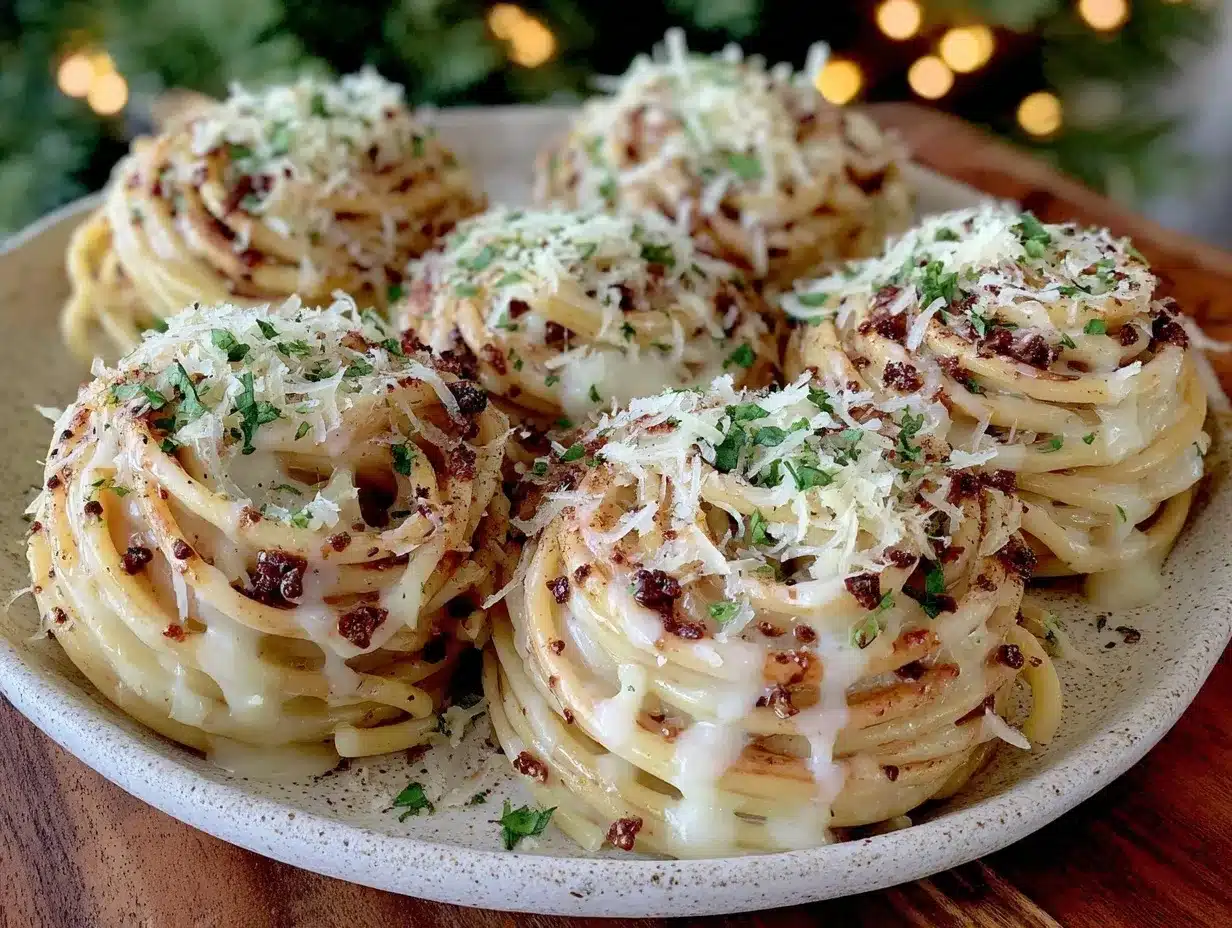
Twirl the pasta into bowls. Top with extra cheese and a sprinkle of black pepper. Serve hot for the best creamy texture.
Personal tip: Work quickly once the cheese goes in. The residual heat is all you need to melt the cheese for that dreamy, velvety sauce. If you’re making a double batch, toss pasta in two batches to keep things creamy and manageable.
Cooking Tips & Techniques for the Perfect Cacio e Pepe Pasta
- Grate Cheese Finely: A microplane gives you fluffy shreds that melt smoothly. Chunky cheese can lead to a grainy sauce—been there, not fun.
- Use Freshly Cracked Pepper: Pre-ground pepper just doesn’t have the flavor. I learned the hard way; the dish tasted flat until I switched to whole peppercorns.
- Reserve More Pasta Water Than You Think: That starchy water is the secret to emulsifying the sauce. I always scoop out at least double what I think I’ll need.
- Work Off the Heat: After the pasta is coated in pepper-butter, remove the pan from the burner before adding cheese. Too much heat makes the cheese seize and go lumpy (trust me, it’s heartbreaking).
- Toss, Don’t Stir: Use tongs to lift and toss the pasta—it helps everything combine evenly. If you stir too aggressively, you risk breaking the sauce.
- Multitasking Tip: While the pasta boils, grate your cheese and crack your pepper. Everything comes together fast once the pasta is done.
- Consistency Check: If the sauce looks thin, let it sit for a minute. The cheese thickens as it cools.
- Fixing Clumps: If you see clumps, add a splash of hot water and toss like crazy. Sometimes it just needs a little nudge.
- Cooking for a Crowd: Toss smaller batches for best results. Big pans of pasta can get sticky fast.
Honestly, I’ve had my fair share of gluey, stringy cacio e pepe fails. Patience and gentle heat are your friends here. After a few tries, you’ll have the technique down—and you’ll probably start making this for every pasta craving!
Variations & Adaptations for Cacio e Pepe Pasta
- Gluten-Free: Use your favorite gluten-free long pasta. Barilla and Jovial are my go-tos. The sauce works beautifully with them—just watch the cooking time as they can overcook quickly.
- Dairy-Free/Vegan: Try vegan hard cheese (like Violife) and plant-based butter. The flavor is a bit milder, but the creamy texture is still spot-on.
- Spicy Twist: Add a pinch of red pepper flakes or a splash of chili oil along with the black pepper for a gentle kick. My husband loves this version!
- Spring Veggies: Toss in blanched asparagus tips or peas during the last minute of pasta cooking. It’s a great way to sneak in some greens.
- Lemon Zest: A sprinkle of lemon zest right before serving brightens the whole dish. It’s especially nice in the spring and summer.
- More Cheese, Please: If you’re feeling extra, add a handful of shredded fontina or mozzarella for a stretchier, ultra-cheesy sauce.
- Cooking Methods: For a one-pan method, cook the pasta directly in a wide skillet with just enough water to cover. Stir constantly, adding cheese and butter at the end. It’s a little trickier but works if you’re tight on space.
My personal favorite? I sometimes use a mix of Pecorino, Parmesan, and a little creamy taleggio for a rustic, farmhouse feel. The rich, tangy flavor is incredible. Honestly, don’t be afraid to play—this recipe is forgiving and always delicious!
Serving & Storage Suggestions
Serving: Cacio e pepe is best served hot and fresh, right out of the pan. Twirl it onto warm plates or shallow bowls for that restaurant-style look. I always finish with a flurry of extra cheese and a crack of black pepper. For a little color, add a handful of fresh parsley or basil. This pasta pairs perfectly with a crisp green salad and a glass of cold, dry white wine.
Storage: Leftovers keep in an airtight container in the fridge for up to 2 days. The sauce will thicken as it chills—add a splash of hot water or milk when reheating to bring back the creaminess. I reheat mine gently on the stove over low heat, tossing constantly. The microwave works in a pinch (30-second bursts, stirring in between), but the texture is best on the stovetop.
Honestly, cacio e pepe is one of those dishes that’s tastiest the day you make it. But if you do have leftovers, don’t worry—they still make a downright comforting midnight snack. The flavors deepen overnight, and the peppery cheese sauce is just as dreamy the next day.
Nutritional Information & Benefits
This creamy cacio e pepe pasta is rich, cheesy, and utterly satisfying. Here’s an estimate per serving (based on 4 generous portions):
- Calories: ~550
- Protein: 22g
- Carbs: 65g
- Fat: 24g
- Calcium: High (thanks to all that cheese!)
Health Benefits: Pecorino Romano is packed with protein and calcium, and black pepper can help with digestion. Using whole wheat pasta adds a bit more fiber. For lower fat, use less butter or swap in part-skim cheese.
Dietary Info: Vegetarian-friendly if you check your cheese for rennet. Easily adapted for gluten-free or dairy-free diets (see Variations above). Contains dairy and gluten as written—so watch out for allergies. I find a bowl of this pasta is pure comfort, especially after a long week. Remember, balance is key—enjoy with a salad and you’ve got yourself a cozy, well-rounded meal.
Conclusion
If you’re searching for a pasta dish that’s both ridiculously simple and totally unforgettable, this creamy cacio e pepe pasta with velvety cheese & pepper sauce is it. It’s the kind of recipe you’ll want to make on repeat—quick enough for weeknights, special enough for entertaining, and comforting enough for those “just need something good” days.
I love this recipe for its classic Roman soul and easy, creamy twist. It’s endlessly adaptable—try it with your favorite cheeses or pasta shapes, toss in veggies, or spice things up with a pinch of chili. Honestly, once you’ve tasted that perfect cheese and pepper sauce, you’ll understand why this dish is a worldwide favorite!
So, grab your grater and pepper mill, and give this recipe a try. Let me know in the comments how you make it your own, or share your best tips for cacio e pepe success. If you love it as much as we do, pin it, share it, and spread the cheesy pasta joy. Here’s to many bowls of creamy, peppery happiness—buon appetito!
Frequently Asked Questions (FAQs)
Can I use pre-grated cheese for cacio e pepe?
It’s best to grate your cheese fresh. Pre-grated cheese often has anti-caking agents that can make the sauce clumpy instead of creamy.
What kind of pasta works best?
Spaghetti, bucatini, or tonnarelli are traditional. Any long pasta will work, though—use what you have on hand.
How do I keep the sauce from clumping?
Emulsify the cheese with a little hot pasta water before adding it to the pasta, and work off the heat. Add extra water if needed and toss vigorously.
Can I make cacio e pepe ahead of time?
This dish is best served immediately, but you can store leftovers in the fridge. Reheat gently with a splash of water or milk to bring back the creamy texture.
Is this recipe vegetarian?
It can be! Check your cheese for animal rennet if you need a vegetarian version, or use a vegetarian hard cheese.
Pin This Recipe!
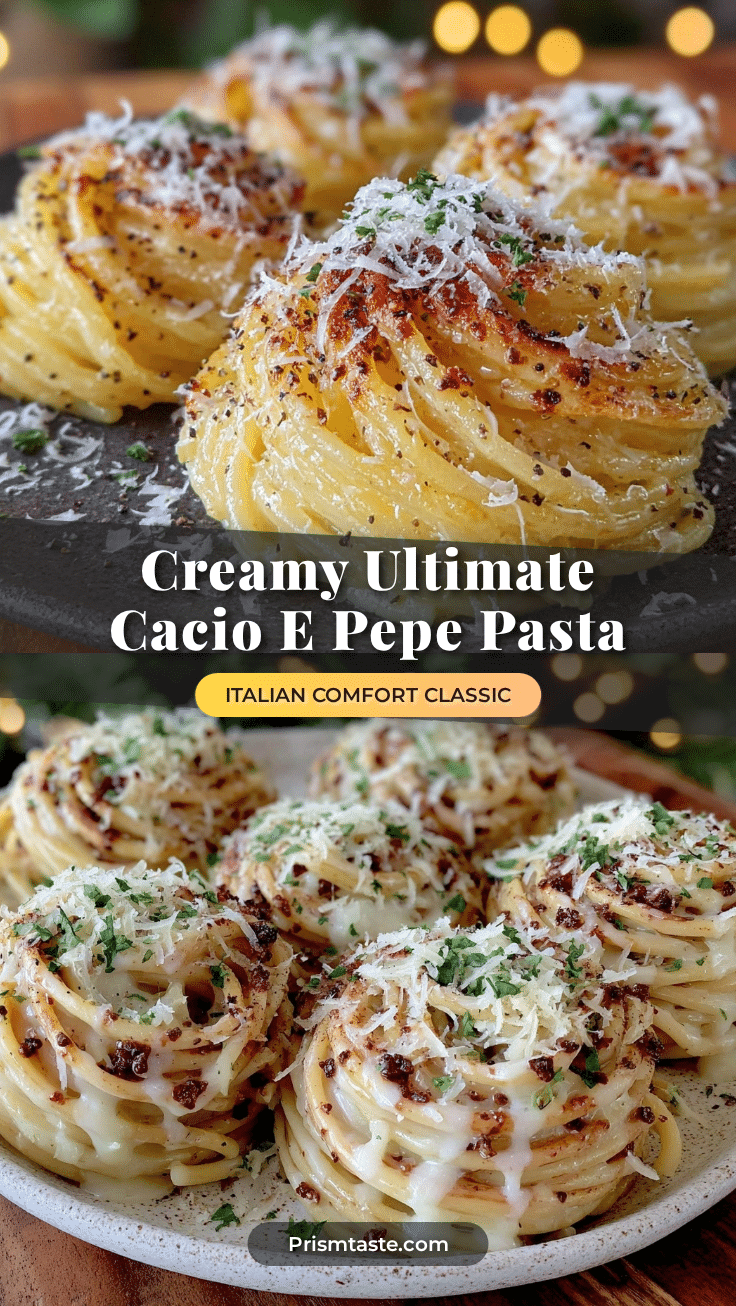
Cacio e Pepe Pasta Recipe Easy Creamy Cheese & Pepper Sauce

This creamy cacio e pepe pasta features a velvety cheese and pepper sauce that clings to every strand, delivering classic Roman comfort with a foolproof, easy technique. Perfect for quick weeknight dinners or special occasions, it’s a crowd-pleaser that’s endlessly adaptable.
- Prep Time: 5 minutes
- Cook Time: 15 minutes
- Total Time: 20 minutes
- Yield: 4 servings 1x
- Category: Main Course
- Cuisine: Italian
Ingredients
- 12 oz spaghetti, bucatini, or tonnarelli (about 3/4 lb)
- 1 1/2 cups Pecorino Romano cheese, finely grated (about 4 oz)
- 1/2 cup Parmesan cheese, finely grated (about 1.5 oz)
- 2 teaspoons freshly ground black pepper (or more to taste)
- 2 tablespoons unsalted butter (optional, for extra creaminess)
- Salt, for pasta water
- 1 1/4 cups reserved pasta cooking water
Instructions
- Bring a large pot of salted water to a boil (about 2 tablespoons salt per pot).
- Add pasta and cook until just barely al dente, about 9-10 minutes. Reserve 1 1/4 cups pasta water before draining.
- While pasta cooks, toast black pepper in a large skillet over medium heat for about 1 minute until fragrant.
- Add butter to the skillet with pepper and let it melt. Add 1/2 cup reserved pasta water and swirl to combine.
- In a large bowl, combine grated Pecorino Romano and Parmesan. Slowly whisk in 2-3 tablespoons hot pasta water to form a thick, creamy paste.
- Transfer drained pasta to the skillet with pepper-butter mixture and toss to coat.
- Remove skillet from heat. Add cheese mixture in batches, tossing vigorously and adding more hot pasta water as needed until sauce is smooth and creamy.
- If sauce is too thick, add more pasta water a tablespoon at a time. If too thin, toss over low heat for 30 seconds while stirring constantly.
- Twirl pasta into bowls, top with extra cheese and black pepper, and serve immediately.
Notes
Grate cheese finely for a smooth sauce. Use freshly cracked black pepper for best flavor. Reserve extra pasta water to adjust sauce consistency. Work off the heat when adding cheese to prevent clumping. For gluten-free, use gluten-free pasta; for dairy-free, use vegan cheese and butter. Serve hot for best texture; leftovers can be reheated with a splash of water or milk.
Nutrition
- Serving Size: About 1/4 of the rec
- Calories: 550
- Sugar: 2
- Sodium: 900
- Fat: 24
- Saturated Fat: 13
- Carbohydrates: 65
- Fiber: 3
- Protein: 22
Keywords: cacio e pepe, creamy pasta, cheese and pepper sauce, Roman pasta, easy Italian recipe, weeknight dinner, comfort food, vegetarian pasta