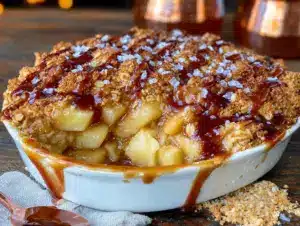
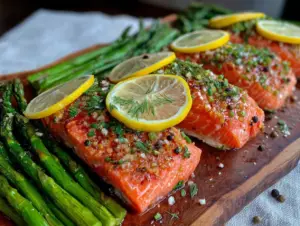
There was this one summer when I finally decided to take the kids camping without the usual chaos of figuring out meals on the spot. Honestly, I was dreading the whole “what do we eat” scramble after a long day of hiking and exploring, but then I stumbled across the magic of easy make-ahead freezer camping meals. The idea was simple: prep everything at home, freeze it in foil packets, and toss them on the campfire later with zero fuss. I was skeptical at first—foil packets and frozen meals for camping? Sounds too good to be true, right? But after that trip, I realized these 10 foil packet recipes not only saved my sanity but turned every meal into a cozy, satisfying moment by the fire.
What stuck with me was the way these meals kept their flavor and texture after freezing, no soggy messes or bland bites. Plus, waking up to the smell of something cooking while the morning mist still hung low felt like a small outdoor luxury. I’ve since made these recipes a staple whenever I plan a trip—whether it’s a quick weekend getaway or a longer outdoor adventure. Each packet carries a little story, and I can’t wait to share them with you. They’re easy, practical, and honestly, kind of fun to make ahead of time.
So, if you’re tired of the usual camping food stress and want to enjoy more time relaxing and less time fussing, these easy make-ahead freezer camping meals with foil packets might just be your new best friends. Let’s get into the details of why these recipes work so well and how to make your next camping trip deliciously simple.
Why You’ll Love This Recipe
After testing these easy make-ahead freezer camping meals over several trips, I can say they’re a game-changer. Here’s why you’ll want to keep these foil packet recipes in your outdoor cooking arsenal:
- Quick & Easy: Prep each meal in under 20 minutes, freeze, and you’re ready for wherever the trail takes you.
- Simple Ingredients: No need for specialty stores or fancy items—these recipes rely on pantry staples and fresh basics you can find anywhere.
- Perfect for Camping: Designed specifically for foil packet cooking over a campfire or grill, these meals cook evenly and clean up is a breeze.
- Crowd-Pleaser: Whether you’re feeding a family or a group of friends, these recipes get rave reviews for flavor and convenience.
- Unbelievably Delicious: From savory to sweet, the seasoning blends and ingredient combos bring out deep, comforting flavors that make camping meals feel special.
These aren’t your average foil packet meals. The secret lies in layering flavors and prepping everything just right before freezing—this way, when you cook them outdoors, the ingredients meld perfectly without any mushy textures or undercooked spots. Plus, the make-ahead aspect means you’re not scrambling to gather ingredients or chop veggies at the campsite. It’s all about making your outdoor cooking experience more relaxed and enjoyable.
Honestly, I love how these recipes bring that cozy campfire vibe without the usual stress. They’re like a warm hug after a day in the wild, and that’s why I keep going back to them.
What Ingredients You Will Need
These easy make-ahead freezer camping meals use straightforward, wholesome ingredients that pack a flavor punch without too much prep work. Most are pantry staples or fresh items that freeze well, making your shopping trip a breeze.
- Proteins: Boneless chicken thighs or breasts (great for staying juicy), ground beef or turkey, shrimp (peeled and deveined), and firm sausages like kielbasa or smoked links.
- Vegetables: Bell peppers (red, yellow, or green for color and sweetness), onions (yellow or red, chopped), zucchini or summer squash (sliced), baby potatoes (halved or quartered), carrots (sliced thin), and corn kernels (fresh or frozen).
- Seasonings & Sauces: Garlic powder, smoked paprika, Italian seasoning, chili powder, salt and pepper, olive oil, butter, soy sauce, lemon juice, and fresh herbs like parsley or cilantro (added fresh at cooking if possible).
- Fillers & Extras: Cooked rice or quinoa (optional for heartier packets), shredded cheese (cheddar or mozzarella), canned diced tomatoes (drained), and lime wedges (to squeeze on after cooking).
One personal tip: I like using boneless chicken thighs because they stay tender and juicy even after freezing and reheating. For vegetables, I recommend slicing them thin or precooking sturdier ones like potatoes slightly to avoid uneven cooking at the campsite.
If you need substitutions, almond flour or gluten-free soy sauce work well for gluten sensitivities. And for dairy-free options, swap butter with coconut oil and cheese with a plant-based alternative.
Equipment Needed
For these easy freezer camping meals, you don’t need fancy gear—just a few essentials:
- Heavy-duty aluminum foil (make sure it’s thick enough to hold up over the fire without tearing)
- Sharp kitchen knife and cutting board for prep
- Measuring spoons and cups for seasoning accuracy
- Mixing bowls to combine ingredients
- Freezer bags or airtight containers to store packets before freezing
- Grill or campfire with a stable cooking grate
If you want to be fancy, a camping spatula or tongs help flip packets safely. I’ve tried using standard foil, but investing in thicker foil really saved me from leaks and burns. Also, wrapping the packets tightly and folding the edges well prevents juices from escaping, which makes cleanup easier.
Preparation Method
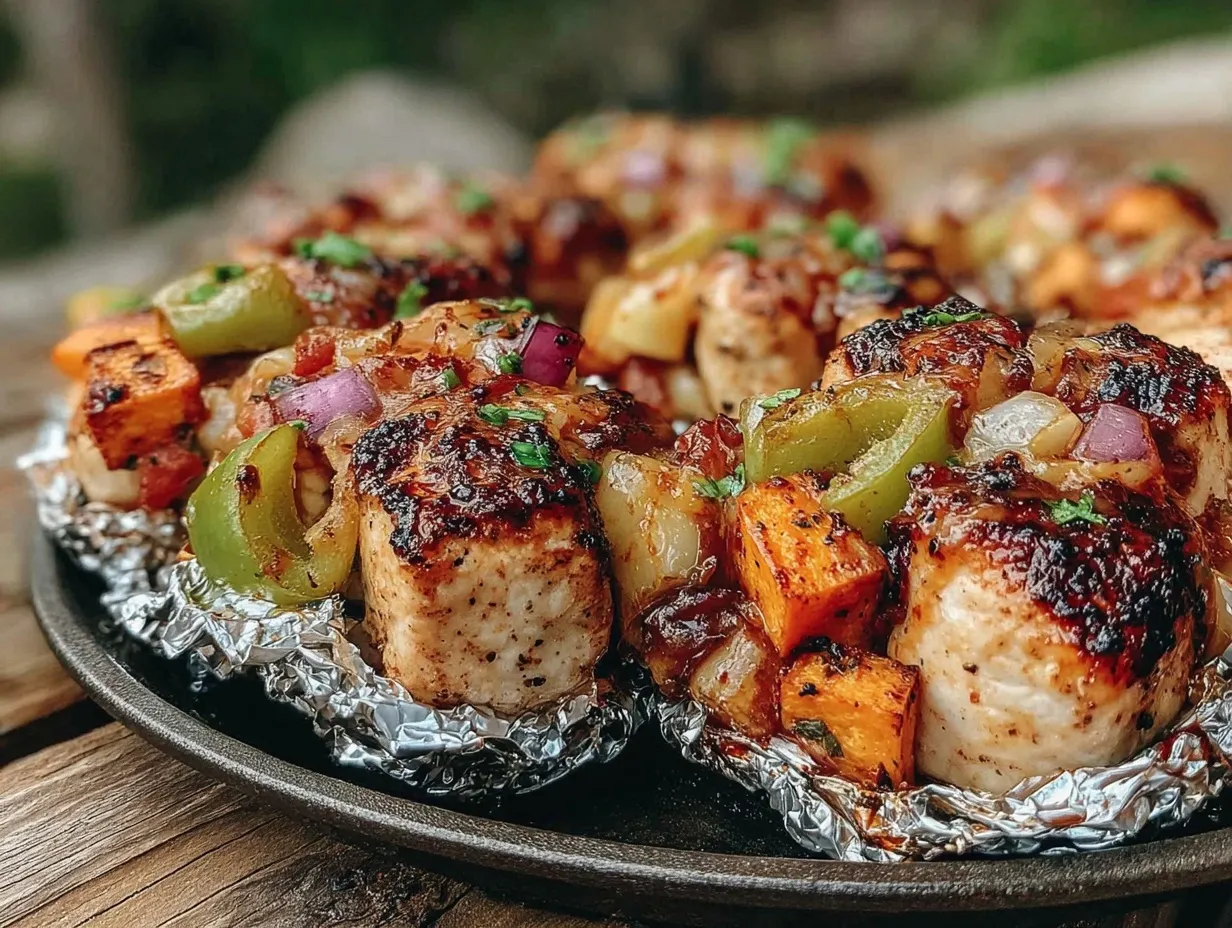
- Gather and prep all ingredients: Chop vegetables into bite-sized pieces, slice meats if necessary, and measure out seasonings. This part usually takes about 15-20 minutes.
- Prepare foil packets: Tear off large sheets of heavy-duty foil, roughly 12×18 inches per packet, and fold them in half to create a double layer for extra durability.
- Assemble the packets: Place your protein in the center of one half of the foil. Add vegetables around the protein, layering evenly. Sprinkle seasonings, drizzle olive oil or melted butter, and add any sauces or extras like cheese or cooked grains.
- Seal the packets: Fold the other half of the foil over the ingredients and crimp the edges tightly to seal. Make sure there are no openings where liquids can leak out.
- Freeze the packets: Place the sealed packets in labeled freezer bags or airtight containers. Freeze flat so they take up less space and thaw evenly later.
- Cooking at camp: Place frozen packets directly on hot coals or grill grate, cooking for 20-30 minutes depending on contents and heat. Turn packets occasionally for even cooking.
- Check for doneness: Carefully open one packet (watch for steam) to test if protein is cooked through and vegetables are tender. If not, reseal and cook a bit longer.
Pro tip: If using potatoes, parboil them for 5 minutes before assembling to guarantee they’ll be soft enough after cooking outdoors. Also, layering ingredients with denser veggies like potatoes on the bottom helps them cook more evenly.
Cooking Tips & Techniques
When working with foil packet meals, timing and layering are key. Here are some learned tips:
- Don’t overstuff: Leave some space in the packet for steam to circulate; overcrowding leads to uneven cooking.
- Use thin or precooked vegetables: Root veggies like carrots and potatoes benefit from parboiling; softer veggies cook quickly and can get mushy if overdone.
- Seal tightly: Folding foil edges properly prevents leaks and keeps moisture locked in, which is crucial for tender results.
- Cook on moderate heat: Too high, and packets might burn on the outside before inside cooks; too low, and cooking drags on.
- Use a thermometer: For meats, aiming for 165°F (74°C) ensures safety without overcooking.
- Prepare a test packet: If you’re new to a recipe, making one first helps gauge cooking time and flavor balance.
Once, I left a packet too close to the fire and had a mini flare-up—lesson learned: always place packets on indirect heat or coals, not flames directly. Also, opening packets carefully is important—the trapped steam is like a mini volcano waiting to surprise you.
Variations & Adaptations
Foil packet meals are super flexible. Here are some variations I’ve tried or suggest:
- Vegetarian option: Swap meat for firm tofu or chickpeas, and add extra veggies like mushrooms and spinach. Season with smoked paprika and garlic for depth.
- Spicy twist: Add diced jalapeños, cayenne, or hot sauce to the mix for those who like a kick.
- Seasonal swaps: Use fresh summer corn and tomatoes in warmer months; switch to winter squash and Brussels sprouts in cooler seasons.
- Different cooking methods: If you don’t have a campfire, these packets cook well on a grill or even in an oven at home for a quick dinner.
- Allergen-friendly: Replace soy sauce with coconut aminos, cheese with dairy-free alternatives, and use gluten-free grains to suit diets.
I once made a shrimp and mango packet with lime and cilantro that was a major crowd-pleaser—tangy, sweet, and fresh, perfect for a summer trip.
Serving & Storage Suggestions
These meals are best served hot straight from the foil, but you can also let them rest for a few minutes after cooking to let flavors settle. For presentation, open the packet right at the table so everyone can enjoy the steamy reveal.
Pair these meals with simple sides like crusty bread, a fresh salad, or roasted marshmallows for dessert. A cold drink or campfire coffee complements the warmth and heartiness of the packets perfectly.
To store leftovers, wrap packets tightly again and refrigerate for up to 2 days. For longer storage, freeze packets before cooking and thaw overnight in the fridge. Reheat by placing the packet on the grill or in a hot pan until warmed through.
Flavors often deepen after sitting a bit, so leftovers can be even tastier the next day. Just be mindful of reheating thoroughly for food safety.
Nutritional Information & Benefits
These easy make-ahead freezer camping meals typically offer a balanced mix of protein, fiber, and healthy fats, thanks to lean meats, fresh vegetables, and olive oil. For example, a chicken and veggie packet averages around 350-450 calories per serving, with 25-30 grams of protein.
Many recipes include antioxidant-rich veggies like bell peppers and onions, which support immune health. Using fresh herbs adds flavor without extra sodium or calories.
Most recipes can be tailored to gluten-free, low-carb, or dairy-free diets by swapping ingredients. Just watch for allergens like soy or nuts if present in seasoning blends.
From a wellness perspective, these meals are satisfying without being heavy, making them ideal for active days outdoors when you want fuel but not sluggishness.
Conclusion
Easy make-ahead freezer camping meals with foil packets have completely changed how I approach outdoor cooking. They bring a level of convenience and deliciousness that I never expected, helping me enjoy the outdoors without meal stress. Whether you’re a seasoned camper or just starting, these recipes offer a simple, tasty way to feed yourself and your crew.
Feel free to mix and match ingredients based on your tastes and what’s available, making each trip uniquely yours. Personally, I love how these packets bring people together around the fire, sharing food and stories with minimal cleanup.
Give these recipes a try on your next adventure—you might find, like me, that campfire meals don’t have to be complicated to be memorable.
FAQs
Can I prepare these foil packet meals entirely at the campsite?
While you technically can, prepping at home saves time and reduces mess. Freezing ahead means you just grab and cook, so you spend less time handling raw ingredients outdoors.
How long can I keep these meals frozen before camping?
They’re best used within 1-2 months for optimal freshness and flavor, but they can safely last up to 3 months if stored properly in airtight packaging.
What if I don’t have a campfire—can I cook these packets another way?
Absolutely! Grills, ovens, and even air fryers work well for cooking foil packet meals. Just adjust cooking times to suit your method.
How do I know the food is fully cooked inside the foil packets?
Using a meat thermometer is the safest way—aim for 165°F (74°C) for poultry and the appropriate temperatures for other proteins. Otherwise, carefully open a packet to check texture and doneness.
Can I double or triple the recipe for larger groups?
Yes! Just make sure to keep packets individually sized for even cooking. Avoid making one giant packet—it won’t cook properly throughout.
Pin This Recipe!
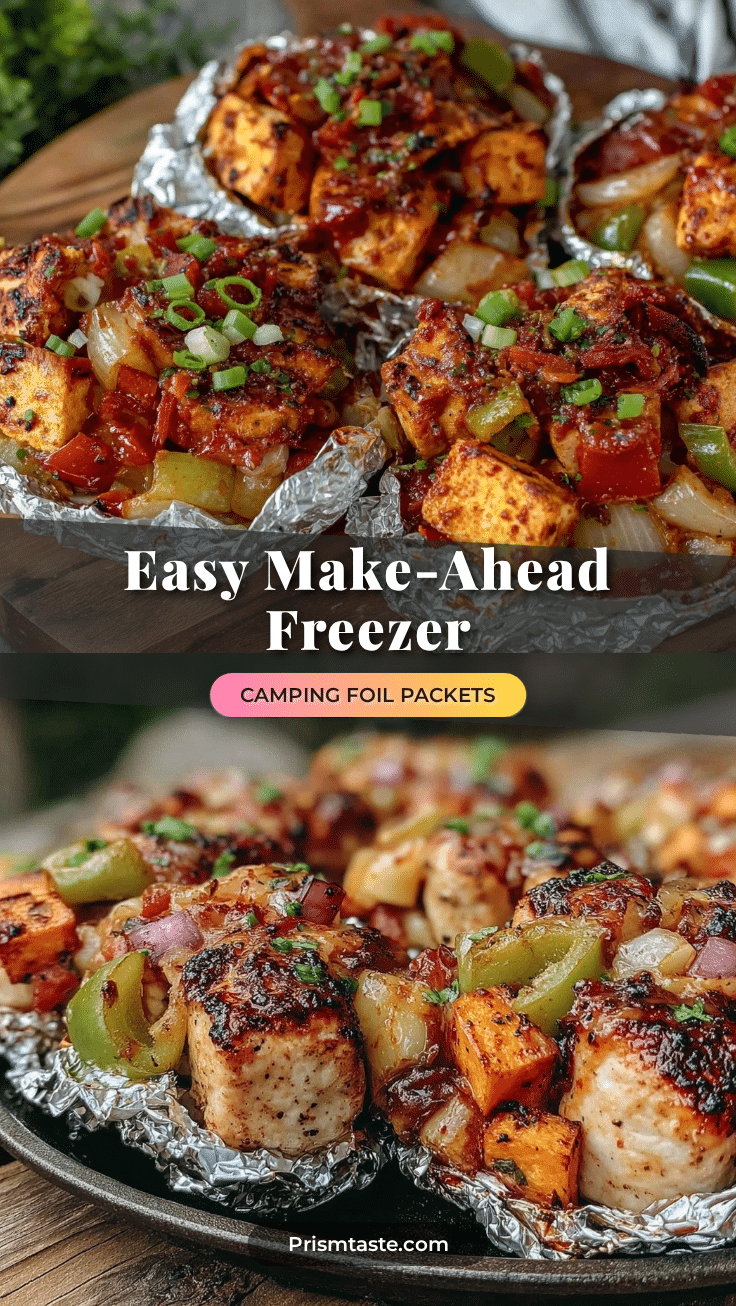
Easy Make-Ahead Freezer Camping Meals: 10 Best Foil Packet Recipes for Quick Outdoor Cooking
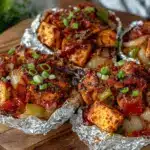
These easy make-ahead freezer camping meals are designed for quick, flavorful, and fuss-free outdoor cooking using foil packets. Prep at home, freeze, and cook over a campfire or grill for delicious, convenient meals on your next adventure.
- Prep Time: 15-20 minutes
- Cook Time: 20-30 minutes
- Total Time: 35-50 minutes
- Yield: 4 servings
- Category: Main Course
- Cuisine: American
Ingredients
- Boneless chicken thighs or breasts
- Ground beef or turkey
- Shrimp (peeled and deveined)
- Firm sausages like kielbasa or smoked links
- Bell peppers (red, yellow, or green)
- Onions (yellow or red, chopped)
- Zucchini or summer squash (sliced)
- Baby potatoes (halved or quartered)
- Carrots (sliced thin)
- Corn kernels (fresh or frozen)
- Garlic powder
- Smoked paprika
- Italian seasoning
- Chili powder
- Salt and pepper
- Olive oil
- Butter
- Soy sauce
- Lemon juice
- Fresh herbs like parsley or cilantro (added fresh at cooking if possible)
- Cooked rice or quinoa (optional)
- Shredded cheese (cheddar or mozzarella)
- Canned diced tomatoes (drained)
- Lime wedges (to squeeze on after cooking)
Instructions
- Gather and prep all ingredients: chop vegetables into bite-sized pieces, slice meats if necessary, and measure out seasonings (about 15-20 minutes).
- Prepare foil packets: tear off large sheets of heavy-duty aluminum foil, roughly 12×18 inches per packet, and fold them in half to create a double layer.
- Assemble the packets: place protein in the center of one half of the foil, add vegetables around the protein, layering evenly. Sprinkle seasonings, drizzle olive oil or melted butter, and add sauces or extras like cheese or cooked grains.
- Seal the packets: fold the other half of the foil over the ingredients and crimp edges tightly to seal, ensuring no openings for leaks.
- Freeze the packets: place sealed packets in labeled freezer bags or airtight containers, freeze flat for space efficiency and even thawing.
- Cook at camp: place frozen packets directly on hot coals or grill grate, cooking for 20-30 minutes depending on contents and heat. Turn packets occasionally for even cooking.
- Check for doneness: carefully open one packet to test if protein is cooked through and vegetables are tender; if not, reseal and cook longer.
Notes
Parboil potatoes for 5 minutes before assembling to ensure even cooking. Do not overstuff packets to allow steam circulation. Seal foil tightly to prevent leaks. Use a meat thermometer to ensure poultry reaches 165°F (74°C). Cook on moderate heat to avoid burning. Opening packets carefully is important to avoid steam burns. Freeze packets flat for better storage and thawing.
Nutrition
- Serving Size: One foil packet per
- Calories: 350450
- Sugar: 46
- Sodium: 400600
- Fat: 1520
- Saturated Fat: 46
- Carbohydrates: 2030
- Fiber: 35
- Protein: 2530
Keywords: camping meals, foil packet recipes, make-ahead meals, freezer meals, outdoor cooking, easy camping food, quick camping recipes