Let me set the scene: You walk into your kitchen on a bright winter morning, and the sun is just slanting through the window. The scent of fresh blood oranges—tart, sweet, and a little floral—fills the air as you zest and slice. Then, as the cake bakes, the aroma of fruity olive oil and vanilla wafts out, swirling together with hints of caramelizing citrus. It’s one of those moments that makes you stop, close your eyes, and smile—because, honestly, you know you’re about to make something magical. The first time I made this blood orange olive oil cake, it was a gloomy Sunday. I was craving sunshine, and this cake absolutely delivered—right from the first bite. The crumb was so moist it practically melted on my tongue, and that caramelized citrus topping? Oh, it’s pure joy.
There’s a bit of nostalgia here for me. My grandma used to make simple olive oil cakes in her little kitchen when I was knee-high to a grasshopper. She’d always say, “Good olive oil is the secret to a good cake.” I didn’t believe her until I tried it myself. Now, I can’t go back. This recipe is a nod to her, mixed with my own twist—those blood oranges add a splash of color and a burst of flavor that just feels special. I stumbled on this combo while trying to recreate a dessert I had at a fancy brunch spot downtown, and let me tell you, it’s so much better homemade (and you don’t have to wait for a reservation!).
My family couldn’t keep their hands off this cake the first time I made it. I’m not even exaggerating—slices disappeared before the caramel had set. It’s become a staple for our Sunday gatherings and gift baskets, and I wish I’d discovered it years ago. Whether you’re planning a brunch, need a “wow” dessert for a dinner party, or just want to treat yourself (because, why not?), this blood orange olive oil cake fits the bill. It’s dangerously easy, endlessly comforting, and—after testing it more times than I care to admit (all in the name of research, of course)—it’s a recipe you’ll want to keep handy. Trust me, you’re going to want to bookmark this one.
Why You’ll Love This Blood Orange Olive Oil Cake
After baking this cake more times than I can count (seriously, my kitchen has seen a lot of blood oranges lately), I can confidently say it’s got a special place in my heart—and my recipe box. Here’s why I think you’ll love it just as much as I do:
- Quick & Easy: You can whip up this cake in about an hour, start to finish. Perfect for lazy weekend mornings or when you need a last-minute dessert that still feels fancy.
- Simple Ingredients: Nothing wild or hard to find here—just everyday pantry staples, a few gorgeous blood oranges, and your favorite olive oil. No need for a special trip to a gourmet store.
- Perfect for Brunch (or Any Occasion): This cake brings a pop of color and flavor that’s just right for brunch tables, potlucks, holiday mornings, or even afternoon tea. It’s as pretty as it is tasty—hello, Pinterest-worthy dessert!
- Crowd-Pleaser: Kids love the sweet, sticky citrus on top, while adults appreciate the not-too-sweet crumb and subtle olive oil flavor. There’s never a crumb left over.
- Unbelievably Delicious: The olive oil keeps the cake moist for days, and the caramelized blood orange slices add a tangy-sweet punch that makes every bite interesting.
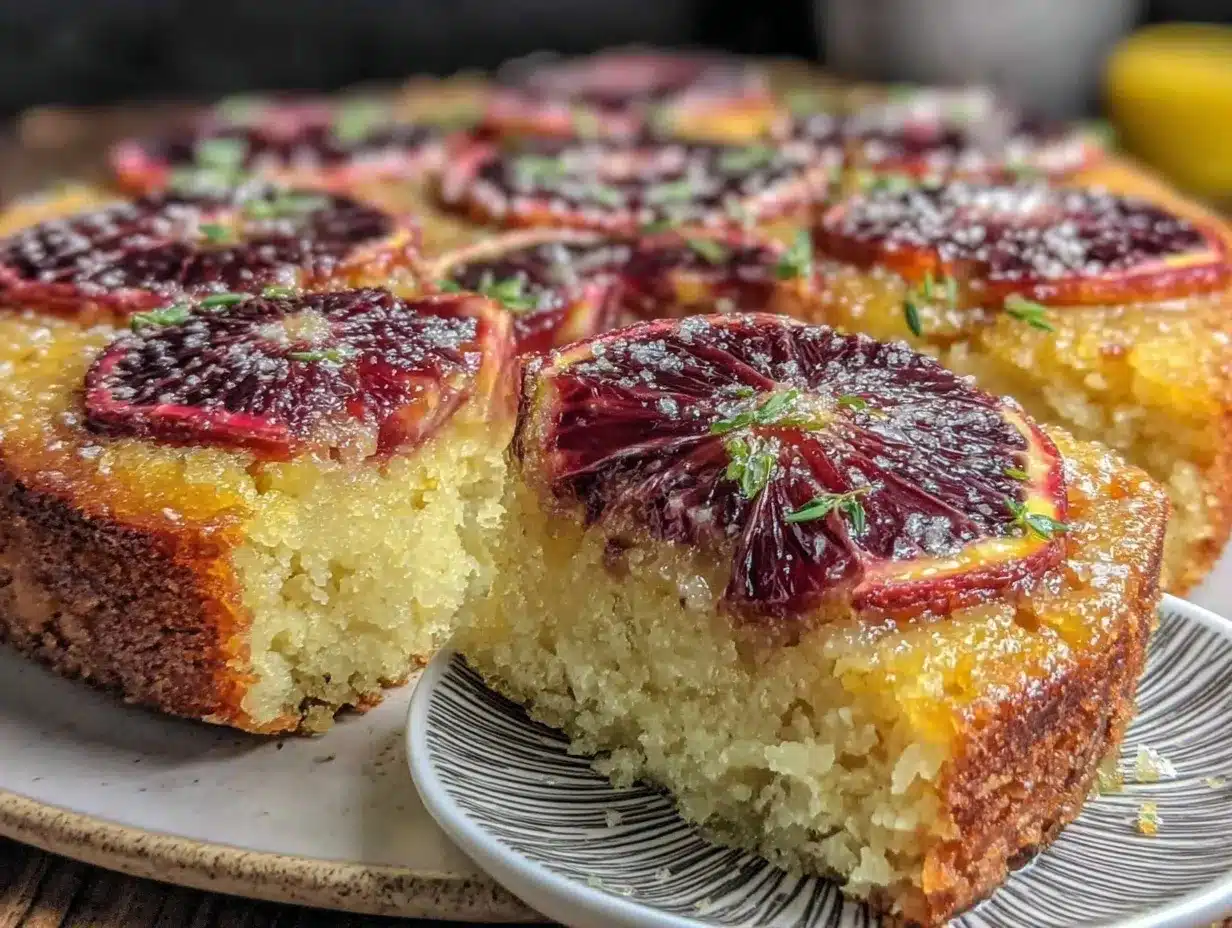
What really sets this blood orange olive oil cake apart is the method. I blend the zest straight into the sugar, which brings out the oils and makes the cake incredibly fragrant (a little trick I picked up from a pastry chef friend). The olive oil doesn’t just keep things moist—it adds a subtle fruitiness that plays beautifully with the citrus. And that caramelized topping? It’s like upside-down cake, but with a grown-up twist.
This isn’t just another orange cake—it’s my best version, tested and tweaked for both flavor and foolproof results. It’s the kind of cake that makes you pause after the first forkful, close your eyes, and just savor. Comfort food, but with a splash of sunshine and a hint of sophistication. Whether you’re impressing guests or just baking for your own joy, this one’s a keeper.
What Ingredients You Will Need
This blood orange olive oil cake uses simple, wholesome ingredients that come together for a flavor and texture that’ll have you sneaking slices all day. Most of these are pantry staples, with a few bright, seasonal touches that make the cake shine.
- For the cake:
- 1 cup (200g) granulated sugar (for sweetness and structure)
- Zest of 2 blood oranges (adds fragrant citrus flavor)
- 3 large eggs, room temperature (for lift and tenderness)
- 1/2 cup (120ml) good-quality extra virgin olive oil (keeps the cake moist and adds fruity richness; I like California Olive Ranch or Bertolli)
- 1/2 cup (120ml) whole milk (or swap for almond milk for dairy-free)
- 1/4 cup (60ml) freshly squeezed blood orange juice (for tartness and color)
- 1 1/2 cups (180g) all-purpose flour (or use a 1:1 gluten-free blend if needed)
- 2 teaspoons baking powder (for a nice rise)
- 1/2 teaspoon kosher salt (balances the sweetness)
- 1 teaspoon vanilla extract (rounds out the flavor)
- For the caramelized citrus topping:
- 2-3 blood oranges, thinly sliced (try to get seedless if you can)
- 1/2 cup (100g) granulated sugar (for caramelizing)
- 2 tablespoons (28g) unsalted butter (or dairy-free butter if preferred)
Ingredient notes & substitutions:
- If blood oranges aren’t available, use Cara Cara oranges or even regular navel oranges. The color won’t be as dramatic, but the flavor will still wow you.
- For a gluten-free cake, swap in your favorite all-purpose gluten-free flour blend (I’ve had good results with King Arthur Measure for Measure).
- Want a dairy-free version? Use a neutral non-dairy milk (like oat or almond) and plant-based butter for the topping.
- You can swap half the olive oil for a light, neutral oil if you prefer a subtler flavor.
A quick tip: Pick blood oranges that feel heavy for their size and have a deep red blush on the skin—those are usually the juiciest! And if you’re a fan of baking with olive oil, this cake is a great place to use your favorite bottle (just avoid anything too peppery).
Equipment Needed
You don’t need a fancy bakery setup to make this blood orange olive oil cake—just a few basic tools and a little bit of love. Here’s what I use every time:
- 9-inch (23cm) round cake pan or springform pan (I prefer springform for easy release, but a regular pan works too—just grease it well!)
- Mixing bowls (one large, one medium)
- Microplane or fine grater (for zesting the oranges—makes all the difference in flavor)
- Sharp knife and cutting board (for slicing those gorgeous blood oranges)
- Whisk and spatula (for mixing and folding the batter)
- Small saucepan (for caramelizing the sugar and citrus topping)
- Parchment paper (helps prevent sticking—especially with the caramelized topping)
If you don’t have a springform pan, just line your cake pan with parchment so you can lift the cake out. I’ve made this in a deep-dish pie plate in a pinch—just keep an eye on the bake time. For the caramel, a nonstick skillet works too. And if you’re on a budget, most dollar store whisks and mixing bowls do the trick (I’ve broken a few fancy ones, but my cheap ones last forever!). Just be sure to wash your microplane right after zesting—those little bits can get stuck.
Preparation Method
-
Prep your pan and ingredients (10 minutes):
Grease a 9-inch (23cm) round cake pan with butter or oil. Line the bottom with parchment paper (especially important for the caramel topping to release easily). Preheat your oven to 350°F (175°C).
Zest two blood oranges, then juice them. Thinly slice 2-3 more blood oranges into rounds, about 1/8 inch (3mm) thick. Remove any seeds you find. -
Make the caramelized citrus topping (10 minutes):
In a small saucepan over medium heat, melt 1/2 cup (100g) sugar with 2 tablespoons (28g) unsalted butter. Stir just until the sugar melts and turns a pale golden color—don’t walk away, it can burn fast! Pour the caramel into your prepared pan, tilting to coat the bottom evenly.
Arrange your blood orange slices over the caramel in a single layer, slightly overlapping for a pretty look. Set aside. -
Mix the batter (15 minutes):
In a large bowl, combine the sugar and orange zest. Rub them together with your fingers until the sugar feels damp and smells amazing—trust me, this step is worth it!
Add eggs and whisk until light and creamy, about 1 minute. Slowly stream in the olive oil, whisking constantly, until fully blended.
Stir in the milk, blood orange juice, and vanilla extract. -
Combine dry ingredients (2 minutes):
In a separate bowl, whisk together flour, baking powder, and salt.
Add dry ingredients to wet, folding gently with a spatula until just combined. Don’t overmix—stop as soon as you don’t see flour streaks. -
Assemble and bake (35-45 minutes):
Pour the batter over the citrus slices in your pan. Smooth the top with a spatula.
Bake on the center rack for 35-45 minutes, until the cake is golden and a toothpick inserted in the center comes out clean (a few moist crumbs are okay).
If the top starts to brown too quickly, tent loosely with foil. -
Cool and unmold (15-20 minutes):
Let the cake cool in the pan for 15 minutes—this helps the caramel set a bit, so it doesn’t run everywhere.
Run a knife around the edge and invert onto a serving plate. Peel off the parchment (careful, it might be sticky!). If any caramelized citrus sticks to the pan, just scoop it out and patch it back on top. -
Final touches:
Let the cake cool until just warm. Serve as-is, or dust with powdered sugar for a pretty finish.
Pro tip: If you want extra shine, brush the citrus with a bit of warmed apricot jam.
Note: If your caramel hardens too quickly in the pan, just pop it back in the oven for a minute to loosen it up before removing the cake. Don’t worry if some oranges shift—a little imperfection adds rustic charm!
Cooking Tips & Techniques
I’ve learned a few tricks (sometimes the hard way) to make sure this blood orange olive oil cake comes out perfect every time. Here’s what you should know:
- Zesting is everything: Rubbing the zest into the sugar really brings out the citrus oils. Don’t skip this—it’s what makes the cake so fragrant.
- Don’t overmix: Once you add the flour, mix gently. Overmixing can make the crumb tough. If you see a few lumps, that’s okay!
- Watch your caramel: Sugar can go from golden to burnt in seconds. As soon as it turns a light amber, pour it into the pan. (I’ve had to start over more than once—don’t be me!)
- Use a good olive oil: Choose one that’s fruity but not too peppery. A strong olive oil will overpower the citrus. If you’re unsure, give it a taste first.
- Pan release matters: Lining the bottom with parchment is a life-saver, especially with sticky caramel. If you only have wax paper, make sure it’s well-greased.
- Let it cool (a bit): If you try to unmold the cake while it’s piping hot, the topping can slide off. Give it those 15 minutes to set—the wait is worth it.
- Test for doneness: Ovens are all a bit different. Start checking at 35 minutes. If the top springs back and the toothpick comes out mostly clean, you’re good.
When I first made this cake, I overbaked it because I thought the top looked too pale. Lesson learned: The caramel and oranges hide any browning. Trust your nose and your toothpick. And don’t worry if your orange slices aren’t picture-perfect—once that caramel bubbles up, everything looks (and tastes) amazing.
Finally, if you’re multitasking (like watching kids, feeding pets, or, you know, living life), measure out all your ingredients before you start. It’s called mise en place, and it makes baking feel like a breeze.
Variations & Adaptations
One thing I love about this blood orange olive oil cake is how flexible it is. You can make it your own with a few simple swaps:
- Gluten-Free: Swap the all-purpose flour for a 1:1 gluten-free baking blend. I’ve tried King Arthur’s and Bob’s Red Mill with great results—just check your bake time, as it might need an extra few minutes.
- Dairy-Free: Use your favorite non-dairy milk (almond, oat, or soy all work) and plant-based butter for the caramel topping. The cake stays just as moist and delicious.
- Lemon or Grapefruit: Switch out the blood oranges for Meyer lemons, Cara Cara oranges, or even ruby red grapefruit. Each citrus gives its own personality to the cake (the grapefruit version is a little more grown-up, but so good).
- Herb Infusion: Add a tablespoon of chopped fresh rosemary or thyme to the batter for an earthy, aromatic twist. I did this once for a brunch and everyone wanted the recipe.
- Chocolate Drizzle: For a decadent touch, drizzle melted dark chocolate over the cooled cake. The bittersweet chocolate balances the sweet-tart citrus perfectly.
- Nuts: Sprinkle sliced almonds or pistachios on top right after baking for crunch and color.
Personally, I love making this cake with half blood orange, half Meyer lemon slices in the winter—so pretty and extra tangy. If you’re working around allergies, always check labels (especially on gluten-free blends or non-dairy milks). And don’t be afraid to experiment—this cake is forgiving, and sometimes those swaps lead to new family favorites.
Serving & Storage Suggestions
This blood orange olive oil cake is best served slightly warm or at room temperature. The citrus topping glistens, the crumb is tender, and the aroma fills the room. I like to present it on a simple white platter (let those blood orange slices shine!) and dust lightly with powdered sugar for a little sparkle.
For a brunch spread, serve slices alongside Greek yogurt, fresh berries, and a pot of good coffee or Earl Grey tea. It’s also lovely with a scoop of vanilla ice cream or a dollop of whipped cream for dessert. The cake’s not-too-sweet profile pairs beautifully with sparkling wine or a citrusy cocktail, if you’re feeling festive.
To store, cover leftover cake tightly with plastic wrap or an airtight container and keep at room temperature for up to 2 days. For longer storage, refrigerate for up to 5 days (the olive oil keeps it moist!). You can also freeze individual slices—wrap well and thaw overnight before serving. To reheat, pop a slice in the microwave for 10-15 seconds or warm in a low oven. The flavors deepen over time, and the cake is just as good the second day—sometimes even better!
Nutritional Information & Benefits
Here’s a quick look at what you’re enjoying in this blood orange olive oil cake (per slice, based on 10 servings):
- Calories: ~280
- Fat: 12g (mostly heart-healthy fats from olive oil)
- Carbohydrates: 38g
- Protein: 4g
- Fiber: 1g
- Sugar: 22g
Blood oranges are packed with vitamin C and antioxidants, while olive oil provides monounsaturated fats that are good for your heart. This cake is naturally dairy-free if you use non-dairy milk, and you can make it gluten-free with a simple flour swap. Allergens to note: contains eggs, wheat (unless using gluten-free flour), and possible dairy in the topping (use plant-based options if needed). For me, this cake feels like a treat that also offers a little wellness boost—a slice of sunshine in every bite.
Conclusion
There’s just something special about a freshly baked blood orange olive oil cake. It’s simple to make, yet every bite feels like a little celebration—moist crumb, tangy-sweet citrus, and a stunning look that’s perfect for sharing (or keeping all to yourself, no judgment here). It’s become one of my go-to recipes for gatherings, gifts, and “just because” weekends.
I hope you’ll give this cake a try and make it your own—swap in your favorite citrus, add a drizzle of chocolate, or enjoy it exactly as written. It’s the kind of recipe that fits every season and occasion, and it never fails to bring smiles (and requests for seconds!).
Let me know in the comments how your cake turns out, or if you make any fun twists. Share your creations on Pinterest and tag me—I love seeing your kitchen adventures! Happy baking, and remember: sometimes the best recipes are the ones you stumble into on a lazy Sunday. Here’s to sweet moments, bright flavors, and plenty of cake!
Frequently Asked Questions
Can I use regular oranges instead of blood oranges?
Yes! Any sweet, juicy orange works in this recipe. Cara Cara or navel oranges are great substitutes if blood oranges aren’t in season. The flavor will be similar, but the color won’t be quite as dramatic.
Do I have to use extra virgin olive oil?
Extra virgin olive oil gives the best flavor and moistness, but you can use a lighter olive oil or a mix with neutral oil if you prefer a milder taste. Just avoid anything too peppery or bitter.
Can this cake be made gluten-free?
Absolutely. Use a 1:1 all-purpose gluten-free flour blend in place of regular flour. I’ve had great results with King Arthur Measure for Measure flour.
How do I keep the caramelized citrus from sticking to the pan?
Line the bottom of your pan with parchment paper. Let the cake cool for 15 minutes before inverting. If any citrus sticks, simply scoop it out and place it back on top—nobody will know!
Can I make this cake ahead of time?
Yes, this cake keeps well for up to 2 days at room temperature or 5 days in the fridge. The flavor actually gets better as it sits, and it’s perfect for prepping a day before your gathering.
Pin This Recipe!
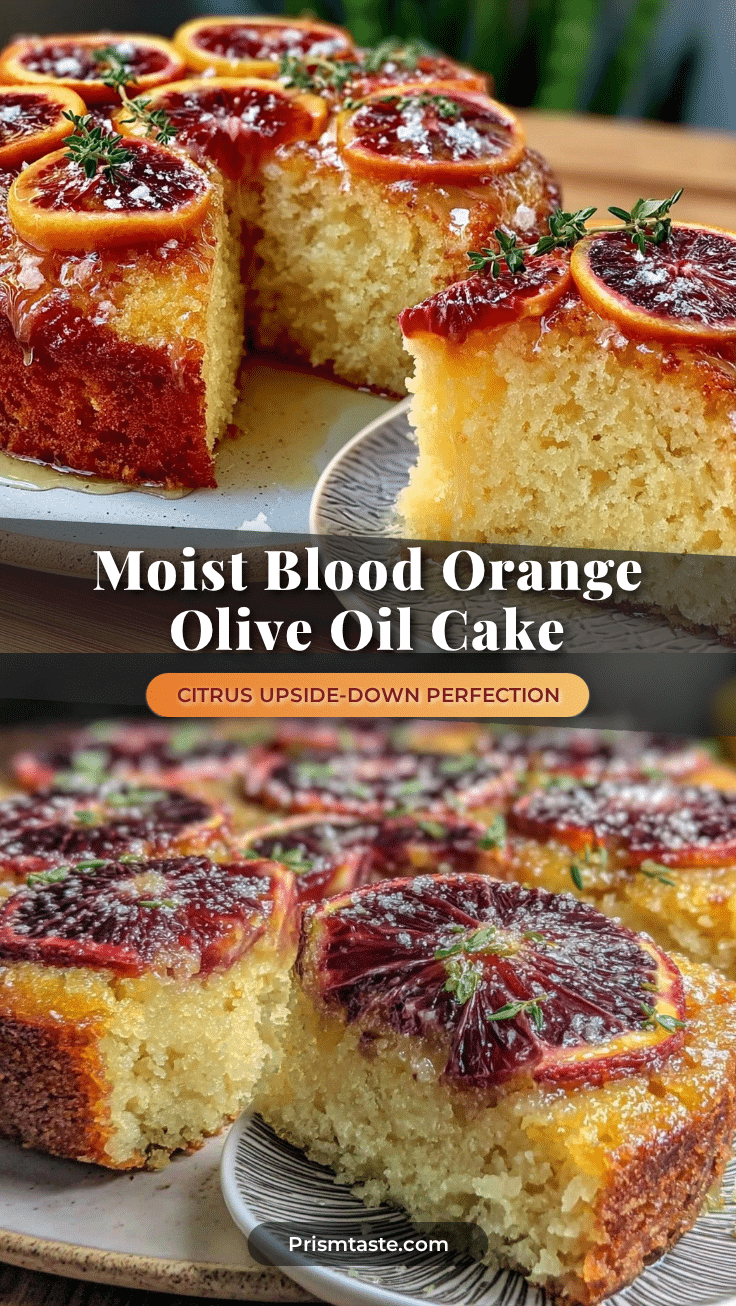
Blood Orange Olive Oil Cake

This easy, moist blood orange olive oil cake features a fragrant crumb, caramelized citrus topping, and a burst of bright flavor. Perfect for brunch, dessert, or any occasion when you want a show-stopping yet simple cake.
- Prep Time: 20 minutes
- Cook Time: 35-45 minutes
- Total Time: 55-65 minutes
- Yield: 10 servings 1x
- Category: Dessert
- Cuisine: Mediterranean
Ingredients
- 1 cup (200g) granulated sugar
- Zest of 2 blood oranges
- 3 large eggs, room temperature
- 1/2 cup (120ml) extra virgin olive oil
- 1/2 cup (120ml) whole milk (or almond milk for dairy-free)
- 1/4 cup (60ml) freshly squeezed blood orange juice
- 1 1/2 cups (180g) all-purpose flour (or 1:1 gluten-free blend)
- 2 teaspoons baking powder
- 1/2 teaspoon kosher salt
- 1 teaspoon vanilla extract
- 2–3 blood oranges, thinly sliced
- 1/2 cup (100g) granulated sugar (for caramelizing)
- 2 tablespoons (28g) unsalted butter (or dairy-free butter)
Instructions
- Grease a 9-inch round cake pan with butter or oil and line the bottom with parchment paper. Preheat oven to 350°F (175°C). Zest and juice two blood oranges. Thinly slice 2-3 more blood oranges into 1/8-inch rounds, removing seeds.
- In a small saucepan over medium heat, melt 1/2 cup sugar with 2 tablespoons butter. Stir until sugar melts and turns pale golden. Pour caramel into prepared pan, tilting to coat the bottom. Arrange blood orange slices over caramel in a single layer.
- In a large bowl, combine 1 cup sugar and orange zest. Rub together with fingers until fragrant. Add eggs and whisk until light and creamy, about 1 minute. Slowly whisk in olive oil until blended. Stir in milk, blood orange juice, and vanilla extract.
- In a separate bowl, whisk together flour, baking powder, and salt. Add dry ingredients to wet, folding gently with a spatula until just combined.
- Pour batter over citrus slices in the pan and smooth the top. Bake for 35-45 minutes, until golden and a toothpick inserted in the center comes out clean.
- Let cake cool in the pan for 15 minutes. Run a knife around the edge and invert onto a serving plate. Peel off parchment. If any citrus sticks, scoop it out and patch on top.
- Let cake cool until just warm. Serve as-is or dust with powdered sugar. For extra shine, brush citrus with warmed apricot jam if desired.
Notes
For gluten-free, use a 1:1 gluten-free flour blend. For dairy-free, use non-dairy milk and plant-based butter. Rubbing zest into sugar boosts fragrance. Don’t overmix the batter. Line pan with parchment for easy release. Let cake cool 15 minutes before unmolding. Store covered at room temperature for 2 days or refrigerate up to 5 days. Cake can be frozen in slices.
Nutrition
- Serving Size: 1 slice (1/10 of cak
- Calories: 280
- Sugar: 22
- Sodium: 120
- Fat: 12
- Saturated Fat: 2
- Carbohydrates: 38
- Fiber: 1
- Protein: 4
Keywords: blood orange cake, olive oil cake, brunch cake, citrus dessert, upside-down cake, easy cake, Mediterranean dessert, gluten-free option, dairy-free option