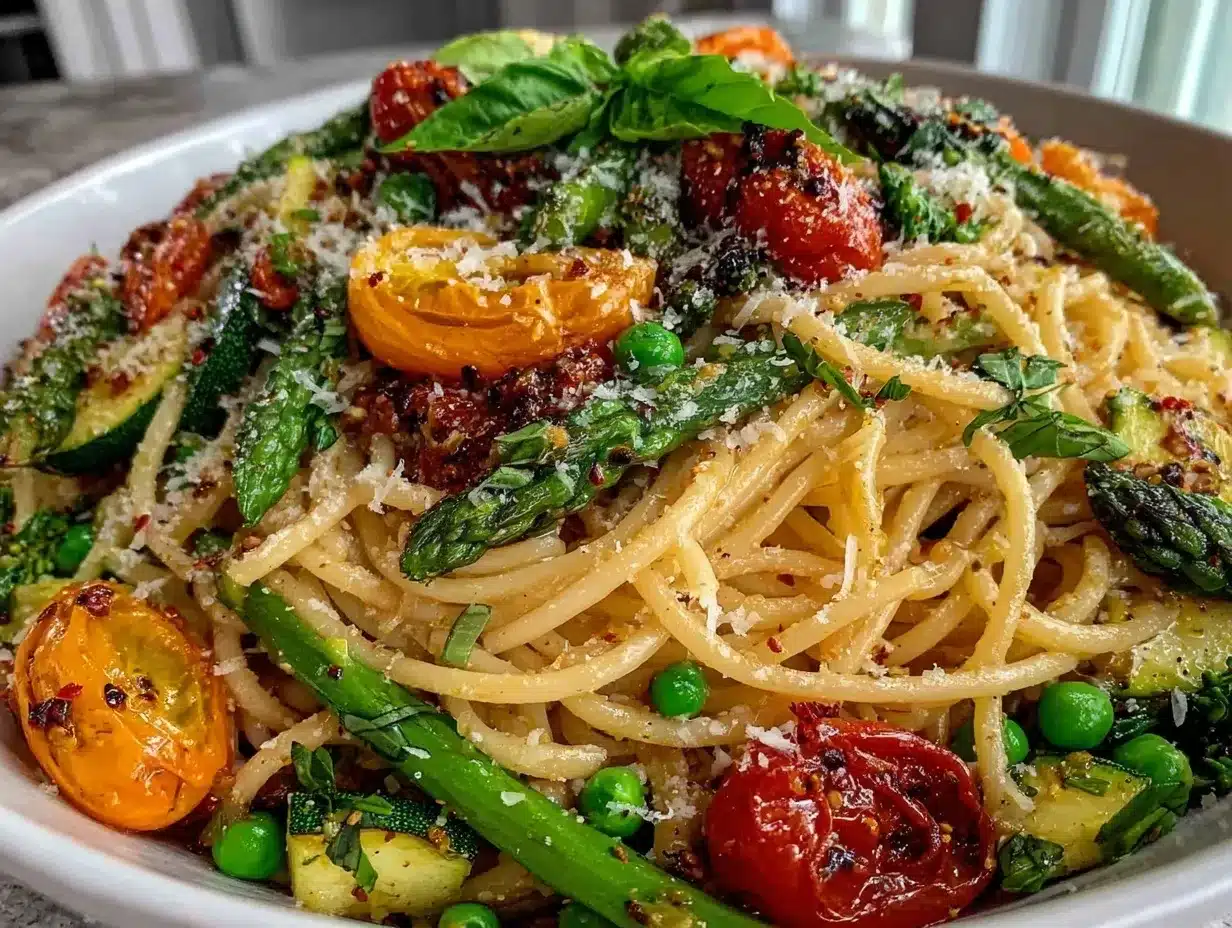
There’s something downright magical about the aroma of fresh garlic sizzling in olive oil, mingling with ribbons of zucchini, sweet bell peppers, and just-picked basil—like opening the windows on a breezy spring afternoon right in your kitchen. The colors pop: vibrant green snap peas, sun-yellow squash, and bright red cherry tomatoes tumble together in a glossy tangle of pasta. I remember the first time I made this garden vegetable primavera pasta—it was one of those rare, cloudless spring days when you just want to celebrate with something light, fresh, and full of sunshine. I was instantly hooked. The first forkful was a little revelation: tender-crisp veggies, silky noodles, and a fragrant herb finish that tastes like pure garden joy.
Honestly, it took me right back to when I was knee-high to a grasshopper, helping my grandma pick herbs from her backyard patch—she always said, “nothing beats what you grow yourself.” I stumbled onto this recipe when I was trying to clean out my fridge before a weekend road trip, tossing together whatever veggies I had, and you know what? It was one of those happy accidents I wish I’d discovered years ago.
My family couldn’t stop sneaking forkfuls straight from the pan (and I can’t really blame them). Even my picky eater wanted seconds. It’s become a staple for weeknight dinners, lazy Sunday lunches, and even a few potlucks—there’s never any left, which is the best kind of compliment. This garden vegetable primavera pasta is dangerously easy, delivers pure, nostalgic comfort, and manages to be both wholesome and a total crowd-pleaser. Whether you’re looking to brighten up your dinner rotation or just need a burst of spring on your plate, you’re going to want to bookmark this one. I’ve tested it more times than I can count (in the name of research, of course!), and every time, it feels like a warm hug. Let’s face it, if you love pasta and fresh veggies, this is the easy spring dinner idea you’ve been waiting for.
Why You’ll Love This Garden Vegetable Primavera Pasta Recipe
As someone who’s spent years chasing the perfect pasta primavera, let me spill the beans—this garden vegetable primavera pasta recipe is a game changer. I’ve tested it through frantic weeknights, leisurely Sunday suppers, and more than a few “what’s-left-in-the-crisper?” moments. It’s been tweaked, tasted, and family-approved every step of the way. Here’s why you’ll be making this one on repeat:
- Quick & Easy: Comes together in under 35 minutes (including chopping!), which means you can pull off a fresh, vibrant dinner even on a busy Tuesday.
- Simple Ingredients: No fancy shopping list—just real veggies, pasta, and bright spring herbs. You probably have half of it in your kitchen already.
- Perfect for Any Occasion: This pasta is a dream for spring dinners, garden parties, or just jazzing up a weeknight. It’s light enough for lunch, but filling enough for dinner.
- Crowd-Pleaser: Kids, adults, vegetarians—everyone raves about the flavors and colors. It’s picky-eater tested and approved in my house.
- Unbelievably Delicious: The combination of sweet, tender-crisp veggies and aromatic herbs tossed with al dente pasta is pure comfort food (without the heaviness!).
What sets this primavera apart? It’s all in the details: just enough garlic to make things pop, a squeeze of lemon at the end for brightness, and a shower of fresh herbs that genuinely tastes like spring. I blend a little pasta water into the sautéed veggies, which creates a naturally creamy sauce—no heavy cream required. If you’ve ever found veggie pasta bland, this will surprise you: every bite is loaded with flavor, thanks to the quick cooking and layering of herbs.
This recipe isn’t just good, it makes you pause after the first bite and go, “Wow, I needed this.” It’s comfort food, but lighter, fresher, and honestly, it makes dinner feel a little special—even when it’s just you at the table. If you want a meal to impress guests (without any stress), or you simply want to squeeze more veggies into your week, this is the pasta recipe you’ll turn to again and again. Give it a go and see if you don’t fall in love, too!
What Ingredients You Will Need
This garden vegetable primavera pasta recipe is all about letting fresh, simple ingredients shine. You don’t need anything fancy—just a rainbow of veggies, your favorite pasta, and a handful of spring herbs. Most of these are pantry or fridge staples, and there’s plenty of room to swap in what’s freshest at the market or in your own garden.
- Pasta: 12 oz (340 g) dried penne, fusilli, or spaghetti (use gluten-free pasta if needed)
- Olive Oil: 3 tbsp (45 ml), extra virgin preferred for best flavor
- For the Vegetables:
- 1 small yellow onion, thinly sliced
- 2-3 garlic cloves, minced
- 1 medium zucchini, sliced into half-moons
- 1 medium yellow squash, sliced into half-moons
- 1 red bell pepper, cut into strips
- 1 cup (90 g) sugar snap peas or snow peas, trimmed
- 1 cup (150 g) cherry tomatoes, halved
- 1 cup (100 g) broccoli florets, cut small (optional but recommended)
- Spring Herbs:
- 1/2 cup (10 g) fresh basil leaves, torn
- 1/4 cup (5 g) fresh parsley, chopped
- 2 tbsp (2 g) fresh chives, snipped (or green onion tops)
- 1 tbsp (2 g) fresh thyme leaves (or 1 tsp dried)
- For Brightness:
- 1 lemon, zest and juice
- To Finish:
- Salt and black pepper, to taste
- 1/4 cup (20 g) grated Parmesan or Pecorino Romano (optional; use a dairy-free alternative for vegan)
- Pinch of red pepper flakes (optional, for a little heat)
Ingredient picks & swaps: I love De Cecco or Barilla for the pasta, but use what you have. For a gluten-free option, try brown rice or chickpea pasta. If basil isn’t available, extra parsley works just fine. In summer, swap in asparagus or fresh peas. If you’re dairy-free, nutritional yeast is a great stand-in for Parmesan. You can use whatever combination of veggies you like—this recipe is pretty forgiving. The most important thing is to use what’s fresh and in season. And don’t stress if you’re missing one or two veggies; it’ll still be delicious!
Equipment Needed
- Large Pot: For boiling pasta. A 4- to 5-quart pot works well. I use my trusty stainless steel one—it’s survived a decade of weeknight dinners!
- Large Skillet or Sauté Pan: A 12-inch pan lets you toss all the veggies and pasta together. Nonstick or stainless both work. If you only have a medium pan, just sauté veggies in batches.
- Colander: For draining the pasta. A mesh strainer is also fine.
- Sharp Knife and Cutting Board: For prepping all those colorful veggies. A chef’s knife makes quick work of slicing.
- Zester or Grater: For the lemon zest. A microplane is super handy, but the small side of a box grater does the trick.
- Tongs or Pasta Spoon: For tossing pasta and veggies together. Wooden spoons work too.
Alternatives: No skillet? Use a Dutch oven or even a wok. If you’re short on colanders, just scoop the pasta out with a slotted spoon. For budget-friendly gear, check thrift stores—I found my favorite pasta pot for $3! And a quick tip: keep your knives sharp for easier, safer veggie prep (a dull knife is more dangerous than a sharp one, trust me!).
Preparation Method
-
Prep the Veggies (10 minutes):
Wash and dry all your vegetables. Slice the onion, mince the garlic, and cut the zucchini, squash, and bell pepper as described above. Halve the cherry tomatoes and trim the snap peas. Chop all your herbs and zest the lemon. Having everything ready makes the next steps much smoother! -
Boil the Pasta (8-10 minutes):
Fill a large pot with water, add a generous pinch of salt, and bring to a rolling boil. Add 12 oz (340 g) pasta and cook until al dente, usually 1-2 minutes less than package instructions. Before draining, reserve 1 cup (240 ml) of pasta water—it’s liquid gold for your sauce.
Tip: Stir pasta occasionally to prevent sticking. It should be tender but still have a slight bite. -
Sauté the Vegetables (8-10 minutes):
While the pasta cooks, heat 3 tbsp (45 ml) olive oil in your skillet over medium heat. Add the onion and cook for 2 minutes until softened. Stir in the garlic and cook another 30 seconds—it should smell amazing but not brown.
Add the zucchini, squash, bell pepper, and broccoli (if using). Sauté for 4-5 minutes, stirring often, until just tender but still bright. Toss in the snap peas and tomatoes, and cook for 2-3 more minutes. You want everything vibrant and slightly crisp, not mushy.
Warning: Overcooking here makes veggies soggy. Aim for just tender! -
Combine Pasta and Veggies (3-4 minutes):
Add the drained pasta directly into the skillet with the veggies. Pour in 1/2 cup (120 ml) of reserved pasta water and toss everything together over medium-low heat.
Add the lemon zest and juice, a pinch of red pepper flakes (if using), and half the chopped herbs. Toss until the pasta is coated and glossy—add more pasta water, a splash at a time, if it looks dry. -
Finish and Season (2 minutes):
Remove from heat. Stir in the remaining herbs, freshly grated Parmesan (or alternative), and a drizzle of olive oil if desired. Taste and add salt and pepper as needed. The sauce should lightly cling to the noodles and everything should smell like a spring garden. -
Serve:
Pile the pasta high in bowls, topping each with more herbs, a little extra cheese, and a wedge of lemon if you like. Serve hot or at room temperature.
Personal tip: If you want to prep ahead, keep the veggies and pasta separate and toss together just before serving for the freshest flavor.
Cooking Tips & Techniques
I’ve learned a few things (sometimes the hard way) making garden vegetable primavera pasta over the years. Here’s what will make your pasta game strong, every time:
- Prep Everything Before You Start: This dish comes together fast, so have your veggies chopped and herbs ready. I once tried to slice zucchini while the onions were cooking and ended up with burnt garlic—never again!
- Don’t Overcook the Veggies: The goal is tender-crisp, not mushy. Add the hardest veggies first (onion, broccoli, carrots), then the quick-cook ones (zucchini, peas, tomatoes) last. If you’re unsure, taste as you go—veggies should be bright and still have a little bite.
- Use Pasta Water for the Sauce: Starchy pasta water is your secret weapon. It helps the sauce cling to the noodles without any heavy cream. Start with a half cup and add more if needed for a silky finish.
- Finish With Fresh Herbs: Add some herbs while cooking for flavor, but always toss in extra right before serving. It keeps things bright and fragrant.
- Adjust Seasoning at the End: Taste and add salt, pepper, lemon, or cheese as needed. Every batch of veggies is a little different, so trust your palate.
- Multitasking: While the pasta boils, sauté the veggies. You’ll be eating in no time! I keep a bowl for scraps nearby for easy cleanup as I go.
- If in Doubt, Underdo It: You can always cook veggies a minute more, but you can’t un-mush them. Less is more here.
Honestly, I’ve had a few soggy pasta fails in my day (usually when I get distracted chasing the dog out of the kitchen), but sticking with these tips makes all the difference. For ultimate consistency, use a timer and don’t wander off. And taste as you go—your senses are your best kitchen tools!
Variations & Adaptations
One of the best things about a garden vegetable primavera pasta recipe is how easy it is to make it your own. Here are some of my favorite twists:
- Seasonal Swaps: In late spring, add asparagus spears cut into bite-sized pieces or fresh English peas. In summer, toss in sliced summer squash, eggplant, or even sweet corn.
- Protein Boost: Add cooked chicken, shrimp, or canned white beans for extra protein. For a vegan option, toss with pan-seared tofu or chickpeas.
- Low-Carb/Keto: Swap regular pasta for spiralized zucchini noodles or shirataki noodles. Shorten the sauté time so “zoodles” don’t get watery.
- Dairy-Free: Use vegan Parmesan or sprinkle with nutritional yeast instead of cheese.
- Allergen-Friendly: Gluten-free pasta works beautifully here. Double-check your cheese (or use a dairy-free alternative) for those with dairy allergies.
- Flavor Boost: Add a handful of toasted pine nuts or walnuts for crunch. Roasted red peppers or sun-dried tomatoes are also delicious.
Personally, I love adding a spoonful of pesto instead of lemon juice when basil is overflowing in my garden—it makes the sauce extra herby and vibrant. Don’t be afraid to play; this recipe is as flexible as you are creative.
Serving & Storage Suggestions
This garden vegetable primavera pasta is best served warm, right after tossing with all those fresh herbs, but honestly, it’s pretty tasty at room temperature, too—it makes a perfect picnic or lunchbox meal.
- Serving: Spoon into big bowls and garnish with extra basil, parsley, and a sprinkle of cheese. A squeeze of lemon on top really brings the flavors together. Pair with a crisp white wine, sparkling water with lemon, or a chilled glass of iced tea.
- Side Suggestions: Serve with crusty bread, garlic knots, or a simple green salad tossed in vinaigrette. For a heartier meal, add grilled chicken or shrimp on the side.
- Storage: Leftovers keep well in an airtight container in the fridge for up to 3 days. The flavors deepen overnight—honestly, it’s almost better on day two.
- Reheating: Warm gently in a skillet with a splash of water or broth to loosen the sauce. Avoid the microwave if possible—it can make the veggies soft.
- Freezing: Not recommended, as the veggies lose their texture. This is a dish best enjoyed fresh or as leftovers within a few days.
If you’re prepping ahead, keep the pasta and veggies separate and toss together with herbs and lemon just before serving. That way, everything stays bright and flavorful.
Nutritional Information & Benefits
Each serving of this garden vegetable primavera pasta (about 1/4 of the recipe) is roughly:
- Calories: 350-400 kcal
- Protein: 10-12 g
- Carbohydrates: 60-65 g
- Fat: 10-12 g
- Fiber: 7-9 g
Loaded with fiber, vitamins (A, C, K), and antioxidants from all those veggies, this pasta is a lighter way to enjoy a comforting bowl without the heaviness of cream-based sauces. Using olive oil adds heart-healthy fats, and the fresh herbs provide a powerful nutrient boost. It’s naturally vegetarian, and easy to make gluten-free or vegan with a couple of simple swaps. Potential allergens include gluten (from pasta) and dairy (from cheese), but those are easily avoided as needed.
For me, this recipe ticks all the boxes: nourishing, energizing, and satisfying without feeling weighed down. It’s a feel-good meal—body and soul!
Conclusion
So, why is this garden vegetable primavera pasta recipe worth a spot in your rotation? It’s fast, fresh, and flexible—everything you want in an easy spring dinner idea. Whether you’re feeding a hungry family or just yourself, it’s simple enough for a weeknight but colorful and flavorful enough for company. I love how it brings a little bit of the garden right to the table, no matter the weather outside.
Don’t be shy about making this recipe your own—swap in your favorite veggies, try new herbs, or adjust the seasoning to suit your taste. That’s the beauty of primavera! Honestly, it’s the only way I can get my kids (and myself) to eat a mountain of veggies and love every bite.
If you give this recipe a try, I’d love to hear how it goes—drop a comment below, share it with your friends, or pin it for next week’s meal plan. Your kitchen, your rules! Wishing you many delicious, garden-fresh dinners ahead. Happy cooking!
Frequently Asked Questions
Can I make this garden vegetable primavera pasta recipe ahead of time?
Absolutely! You can prep the veggies and cook the pasta up to a day in advance. Store them separately, then toss everything together with fresh herbs and lemon right before serving for the brightest flavor.
What pasta shape works best for primavera?
Penne, fusilli, and spaghetti all work well because they catch the veggies and sauce. Use your favorite, or whatever you have on hand—no need to overthink it.
How do I make this recipe gluten-free?
Just swap in your favorite gluten-free pasta. Brown rice, chickpea, or lentil pasta are all great options and cook up beautifully in this dish.
Can I add protein to this pasta?
Yes! Toss in cooked chicken, shrimp, tofu, or white beans for a protein boost. Just add your protein when combining the pasta and veggies so everything heats through together.
What herbs can I use if I don’t have fresh on hand?
Dried herbs work in a pinch—use about 1/3 the amount of fresh. Dried basil, parsley, thyme, or Italian seasoning will all add flavor. Just add them earlier in the sauté so they have time to bloom.
Pin This Recipe!
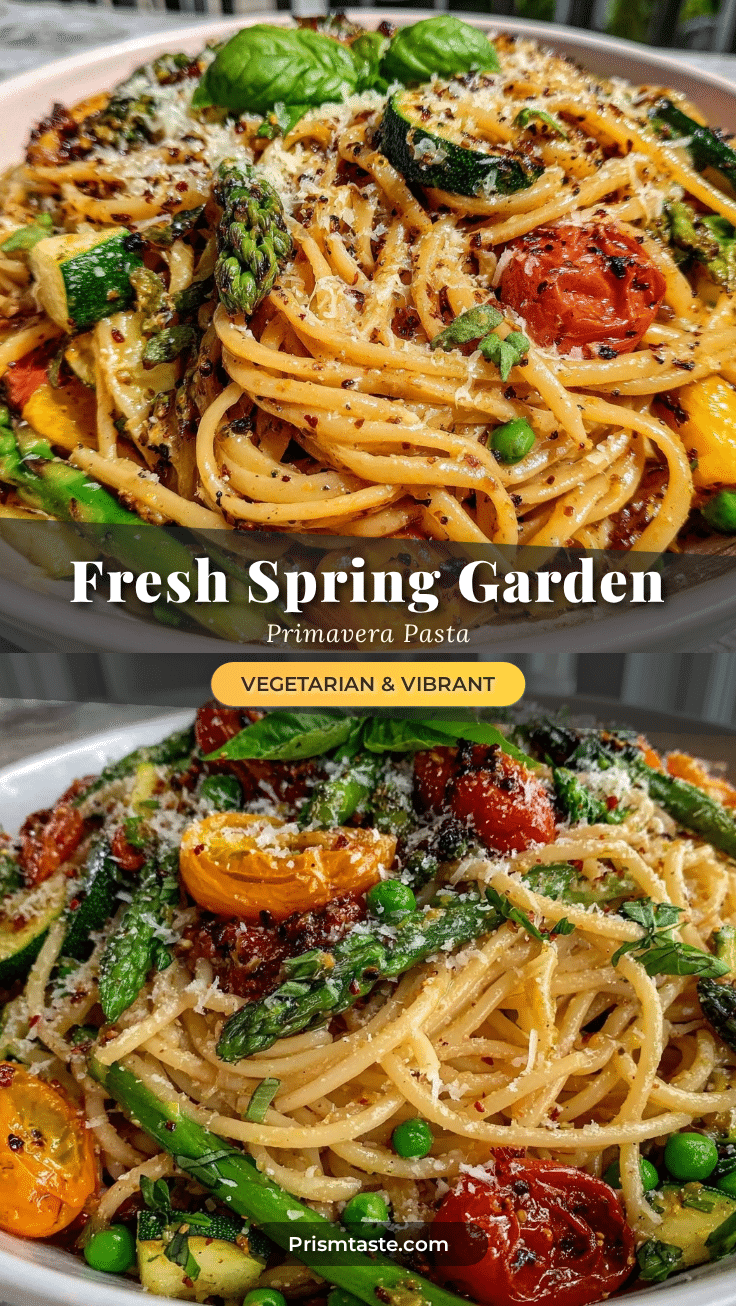
Garden Vegetable Primavera Pasta
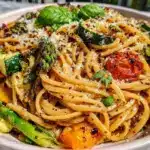
This easy spring dinner idea features a rainbow of fresh vegetables, tender pasta, and a burst of bright herbs, all tossed together in a light, naturally creamy sauce. It’s a quick, wholesome, and crowd-pleasing vegetarian meal perfect for any night of the week.
- Prep Time: 10 minutes
- Cook Time: 20 minutes
- Total Time: 30 minutes
- Yield: 4 servings 1x
- Category: Main Course
- Cuisine: Italian
Ingredients
- 12 oz dried penne, fusilli, or spaghetti (use gluten-free pasta if needed)
- 3 tbsp extra virgin olive oil
- 1 small yellow onion, thinly sliced
- 2–3 garlic cloves, minced
- 1 medium zucchini, sliced into half-moons
- 1 medium yellow squash, sliced into half-moons
- 1 red bell pepper, cut into strips
- 1 cup sugar snap peas or snow peas, trimmed
- 1 cup cherry tomatoes, halved
- 1 cup broccoli florets, cut small (optional)
- 1/2 cup fresh basil leaves, torn
- 1/4 cup fresh parsley, chopped
- 2 tbsp fresh chives, snipped (or green onion tops)
- 1 tbsp fresh thyme leaves (or 1 tsp dried thyme)
- 1 lemon, zest and juice
- Salt and black pepper, to taste
- 1/4 cup grated Parmesan or Pecorino Romano (optional; use dairy-free alternative for vegan)
- Pinch of red pepper flakes (optional, for a little heat)
Instructions
- Wash and dry all vegetables. Slice onion, mince garlic, cut zucchini, squash, and bell pepper as described. Halve cherry tomatoes, trim snap peas, chop herbs, and zest the lemon.
- Fill a large pot with water, add salt, and bring to a boil. Add pasta and cook until al dente, 1-2 minutes less than package instructions. Reserve 1 cup pasta water before draining.
- While pasta cooks, heat olive oil in a large skillet over medium heat. Add onion and cook 2 minutes until softened. Stir in garlic and cook 30 seconds.
- Add zucchini, squash, bell pepper, and broccoli (if using). Sauté 4-5 minutes, stirring often, until just tender but still bright. Add snap peas and tomatoes, cook 2-3 more minutes.
- Add drained pasta to the skillet with veggies. Pour in 1/2 cup reserved pasta water and toss over medium-low heat.
- Add lemon zest and juice, red pepper flakes (if using), and half the herbs. Toss until pasta is coated and glossy, adding more pasta water if needed.
- Remove from heat. Stir in remaining herbs, Parmesan (or alternative), and a drizzle of olive oil if desired. Season with salt and pepper to taste.
- Serve in bowls, garnished with extra herbs, cheese, and a wedge of lemon. Serve hot or at room temperature.
Notes
Prep all veggies and herbs before starting for a smooth cooking process. Don’t overcook the vegetables—aim for tender-crisp. Use reserved pasta water to create a silky sauce. For vegan or gluten-free, use appropriate pasta and cheese alternatives. Leftovers keep well for up to 3 days in the fridge.
Nutrition
- Serving Size: About 1/4 of recipe
- Calories: 375
- Sugar: 8
- Sodium: 220
- Fat: 11
- Saturated Fat: 2
- Carbohydrates: 63
- Fiber: 8
- Protein: 11
Keywords: primavera, vegetable pasta, spring dinner, vegetarian, easy pasta, garden vegetables, healthy, weeknight dinner, gluten-free option