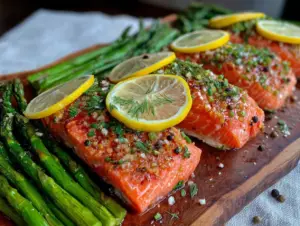
I was standing in the frozen foods aisle last Tuesday, staring at a bag of pre-seasoned salmon portions, when the fluorescent lights flickered and that weird, slightly fishy freezer smell hit me — and suddenly I was twelve years old at my Aunt Clara’s tiny kitchen table in Portland. She wasn’t actually my aunt, you know. She was my mom’s best friend from college, but she felt more like family than half my actual relatives. The memory came rushing back so fast it almost knocked me sideways: the way she’d slide a cast iron skillet onto the table, still sizzling, and those little golden cubes of salmon swimming in butter and garlic. I could practically smell it right there in the grocery store.
Aunt Clara was gone by the time I turned twenty-five, and I never got her recipe. Honestly, I’d never even thought to ask for it. But that moment in the freezer aisle? That was a sign. I grabbed a pound of fresh salmon fillets, some butter, and a head of garlic, and I drove home determined to figure it out myself. Let me tell you, the first attempt was a disaster — I cut the pieces too big, the garlic burned, and the butter turned brown and bitter. I sat there eating my sad, overcooked salmon cubes and almost laughed. Aunt Clara would have shaken her head and handed me a glass of wine.
But I kept at it. Three more tries, some tweaking, and a little patience later, I landed on exactly what I was chasing: those tender, buttery, garlicky little bites that taste like comfort in a bowl. Maybe you’ve been there — chasing a taste from your past that you can’t quite describe but you’d know the second it hit your tongue. This is that recipe for me. And now, honestly, it might become that for you too.
Why You’ll Love This Recipe
I’ve tested this recipe more times than I care to count, and I can tell you with total confidence — it works every single time. Here’s why this one’s different from every other salmon recipe floating around out there:
- Quick & Easy: From start to finish, you’re looking at about 20 minutes. That’s it. No marinating overnight, no complicated techniques, no stress. Perfect for those nights when you’re starving and need something good fast.
- Simple Ingredients: You probably have most of this stuff already. Butter, garlic, salt, pepper, maybe some lemon and parsley. The salmon is the star, and everything else just makes it shine.
- Perfect for Cozy Evenings: This is the kind of meal you make when the weather turns cold, or you’ve had a rough day, or you just want to eat something that feels like a warm hug. It’s comfort food, but make it seafood.
- Crowd-Pleaser: I’ve served these bites to picky kids, skeptical in-laws, and fancy dinner guests — and every single person went back for seconds. Even people who “don’t really like salmon” change their minds after one bite.
- Unbelievably Delicious: The texture is what gets me every time. Crispy golden edges, tender flaky centers, all coated in that garlic butter sauce that you’ll want to drink with a straw. No exaggeration.
What makes this recipe truly special is the technique. Most people either overcook salmon into dry oblivion or undercook it into scary territory. But cutting the salmon into bite-sized cubes before cooking? That changes everything. You get perfect, even cooking in minutes, maximum surface area for that gorgeous golden crust, and every piece gets coated in that garlic butter goodness. It’s not just another salmon recipe — it’s the best version I’ve ever made, and I’ve made a lot of salmon.
This recipe isn’t just good — it’s the kind that makes you close your eyes after the first bite. I mean it. The butter, the garlic, the little hit of lemon at the end — it all comes together in this perfect, soul-soothing moment. It’s comfort food reimagined: faster, simpler, but with the same deep satisfaction that makes you want to curl up on the couch and savor every last bite.
What Ingredients You Will Need
This recipe uses simple, honest ingredients to create something truly special. Nothing fancy, nothing hard to find — just good food that works together beautifully. Most of these are pantry staples, which makes this recipe perfect for spontaneous cravings.
For the Garlic Butter Salmon Bites
- 1 ½ pounds salmon fillet, skin removed and cut into 1-inch cubes (look for wild-caught if you can — I prefer Sockeye or Coho for their rich flavor and firm texture)
- 4 tablespoons unsalted butter, divided (I use Kerrygold — the higher fat content means better flavor and less burning)
- 5 cloves garlic, minced (fresh only, please — the jarred stuff gets bitter and just isn’t the same)
- ½ teaspoon salt, or to taste (I like fine sea salt for even seasoning)
- ¼ teaspoon black pepper, freshly ground
- ¼ teaspoon smoked paprika (optional but amazing — adds a subtle warmth that’s perfect for cozy vibes)
- 2 tablespoons fresh lemon juice (about half a lemon — always fresh, never bottled)
- 2 tablespoons fresh parsley, chopped (for garnish — flat-leaf Italian parsley has the best flavor)
For Serving (Optional but Recommended)
- Cooked rice, quinoa, or crusty bread (to soak up all that garlic butter sauce — trust me, you’ll want something for the sauce)
- Lemon wedges (for extra brightness at the table)
- Flaky sea salt (a pinch right before serving makes everything pop)
A quick note on salmon selection: Look for fillets that are bright in color, smell fresh and mild (not fishy), and have firm flesh that springs back when touched. If the salmon looks dull or has any grayish spots, skip it. I’ve had great luck with frozen wild-caught fillets from Costco — just thaw them overnight in the fridge and pat them really dry before cutting. And please, for the love of good food, don’t use pre-cut “salmon bites” from the store. They’re often cut from scraps and can be uneven or dry. Cutting your own is worth the two extra minutes.
For the butter, unsalted is non-negotiable here. Salted butter can make the dish too salty, especially since we’re adding salt separately. If all you have is salted butter, reduce the added salt to ¼ teaspoon and taste as you go. And the garlic? Fresh minced garlic is key. Pre-minced garlic in oil has a different flavor that can turn slightly metallic when cooked. Take the thirty seconds to mince it yourself — your taste buds will thank you.
Equipment Needed
You don’t need a fancy kitchen to make these salmon bites. Here’s what you’ll need:
- Large cast iron skillet or heavy-bottomed non-stick pan — Cast iron gives you the best sear and even heat distribution, but a good non-stick pan works perfectly too. Just avoid thin stainless steel pans that create hot spots.
- Sharp knife — A good chef’s knife makes cutting the salmon into even cubes so much easier. Dull knives are dangerous and will shred the delicate fish.
- Cutting board — Preferably one you don’t mind getting fishy. I keep a separate plastic cutting board just for seafood.
- Paper towels — For patting the salmon dry. This step is crucial for getting that golden crust.
- Tongs — For flipping the salmon bites without breaking them apart. Silicone-tipped tongs won’t scratch your pan.
- Small bowl — For mixing the seasonings if you want to be organized about it.
- Measuring spoons — For the salt, pepper, and paprika.
- Garlic press or knife — I prefer mincing by hand, but a press works in a pinch.
If you don’t have a cast iron skillet, don’t stress. I’ve made these in a stainless steel pan and even a well-seasoned carbon steel wok. The key is making sure the pan is hot enough before the salmon goes in. And if you’re using non-stick, be careful not to crank the heat too high — medium-high is plenty. I learned that one the hard way when I nearly set off my smoke detector. Twice.
Preparation Method
Alright, let’s get cooking. This comes together fast, so I like to have everything prepped and ready before I turn on the heat. Trust me on this — once the salmon hits the pan, there’s no time for chopping garlic or squeezing lemons.
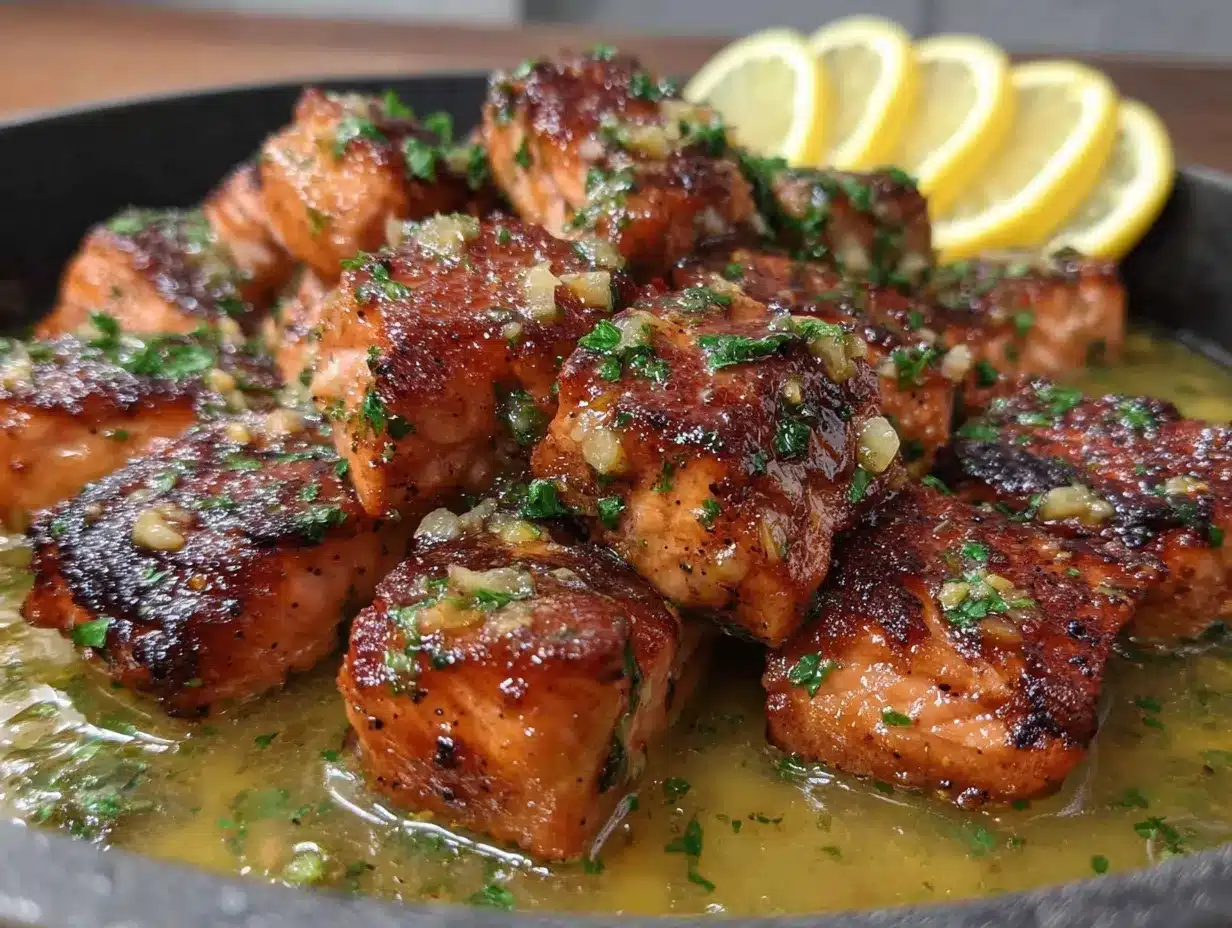
- Prep the salmon (5 minutes): Pat the salmon fillet dry with paper towels — really dry, like you’re trying to absorb every last drop of moisture. This is the single most important step for getting that golden crust. Place the salmon on your cutting board and cut it into 1-inch cubes. Try to keep them as uniform as possible so they cook evenly. Season the cubes all over with salt, pepper, and smoked paprika if using. Toss gently to coat.
- Heat the pan (2 minutes): Place your skillet over medium-high heat and add 2 tablespoons of the butter. Let it melt and start to foam — you want it hot but not browning. Swirl the pan to coat the bottom evenly. The butter should sizzle when you add the salmon, but if it’s smoking, the pan’s too hot. Turn it down a notch and wait thirty seconds.
- Sear the salmon bites (4-5 minutes): Carefully place the salmon cubes in the skillet in a single layer. Don’t crowd the pan — work in batches if you need to. Leave them alone for 2 minutes without moving them. I know it’s tempting to poke and stir, but resist! Let that crust form. After 2 minutes, use your tongs to flip each piece. Cook for another 2-3 minutes, until the salmon is golden brown on all sides and just cooked through. The internal temperature should reach 125°F for medium, but honestly, I just look for that beautiful golden color and flaky texture.
- Add the garlic (1 minute): Push the salmon to one side of the pan and add the remaining 2 tablespoons of butter to the empty space. Once it melts, add the minced garlic and stir it into the butter for about 30 seconds — just until fragrant. Don’t let it burn! Burnt garlic tastes bitter and will ruin the whole dish. Toss the salmon bites in the garlic butter to coat them evenly.
- Finish with lemon and parsley (1 minute): Remove the pan from the heat. Squeeze the fresh lemon juice over the salmon and sprinkle with chopped parsley. Give everything a gentle toss. The residual heat will mellow the lemon and wilt the parsley just enough. Taste one piece and adjust seasoning if needed — maybe a pinch more salt or another squeeze of lemon.
- Serve immediately: Transfer the salmon bites to a serving platter or directly onto plates with your choice of rice, quinoa, or crusty bread. Spoon any remaining garlic butter from the pan over the top. Sprinkle with flaky sea salt and add extra lemon wedges on the side. Eat right away while they’re hot and the edges are still crispy.
A few things I’ve learned the hard way: If your salmon sticks to the pan when you try to flip it, it’s not ready yet. Give it another 30 seconds and try again. Also, don’t walk away during the garlic step — that thirty-second window between fragrant and burned is alarmingly small. And if you’re making a double batch, keep the first batch warm in a 200°F oven while you cook the second. Just don’t leave them in there too long or they’ll dry out.
Cooking Tips & Techniques
After making these salmon bites more times than I can count (and messing them up plenty along the way), I’ve gathered some tips that’ll save you from my mistakes.
Patience is everything: The biggest mistake people make is moving the salmon too soon. Let it sit in that hot pan and develop a proper crust. That golden exterior isn’t just pretty — it’s flavor. I once got distracted by my phone and left the salmon alone for a full three minutes before flipping. Best crust I ever got. So set a timer if you have to, but let it cook undisturbed.
Don’t overcook: Salmon continues cooking even after you take it off the heat. I pull mine off when it’s just barely cooked through in the center — still slightly translucent. By the time it hits the plate, it’s perfect. Overcooked salmon is dry, crumbly, and sad. If you’re nervous, use a meat thermometer: 120-125°F for medium-rare, 130°F for medium. Anything above 135°F and you’re in dry territory.
Room temperature salmon: Take your salmon out of the fridge about 15 minutes before cooking. Cold salmon sears unevenly and can end up overcooked on the outside and raw in the middle. Let it sit on the counter while you prep your other ingredients.
Butter management: Butter burns at a lower temperature than oil, which is why I add half at the beginning and half with the garlic. If you’re worried about burning, you can use a mix of butter and a high-heat oil like avocado or grapeseed oil. Start with 1 tablespoon oil and 1 tablespoon butter for the initial sear, then add the remaining butter with the garlic. I’ve done it both ways, and honestly, the all-butter version tastes better, but the oil-butter combo is more forgiving.
Multitasking strategy: Start your rice or quinoa first since it takes longer than the salmon. While it’s cooking, prep your salmon and garlic. By the time the grain is done, your pan will be hot and ready. Everything comes together in the last 10 minutes. I’ve also made this with quick-cooking couscous or even buttered noodles when I’m in a rush.
One pan cleanup: If you’re serving with rice or veggies, cook them first, transfer to a bowl, and then use the same pan for the salmon. The little browned bits left behind add flavor to the butter sauce. Just wipe the pan out quickly if there are any burnt bits.
Variations & Adaptations
One of the best things about this recipe is how flexible it is. Here are some variations I’ve tried and loved:
Spicy Garlic Butter Salmon Bites: Add ½ teaspoon of red pepper flakes along with the garlic, or stir in 1 tablespoon of sriracha at the end. The heat cuts through the richness of the butter beautifully. I made this version for a game night and it disappeared in minutes. If you really love spice, drizzle some chili crisp on top before serving.
Lemon Herb Version: Add 1 teaspoon of dried oregano or thyme with the garlic, and use a mix of parsley and fresh dill for the garnish. The herbaceous notes make it feel lighter and brighter — perfect for spring or summer evenings. I’ve also added a splash of white wine (about 2 tablespoons) right after the garlic for extra depth.
Honey Garlic Glaze: Add 1 tablespoon of honey to the butter along with the garlic. The sweetness balances the savory and creates a beautiful glossy coating. This version is especially popular with kids — my nephew calls them “candy salmon” and asks for them every time he visits.
Dairy-Free Option: Substitute the butter with a high-quality vegan butter or use olive oil mixed with a little coconut oil. The flavor changes slightly, but it’s still delicious. I’ve used Miyoko’s European Style Cultured Vegan Butter with great results — it browns similarly to dairy butter.
Air Fryer Adaptation: Toss the seasoned salmon cubes with 1 tablespoon of melted butter, then air fry at 400°F for 6-8 minutes, shaking halfway through. In the last minute, toss with the minced garlic and a little more melted butter. The texture is different — less saucy, more crispy — but it’s a great hands-off option. I do this when I’m making a big batch for meal prep.
Different Protein: This same method works beautifully with cubed chicken breast, firm tofu, or even shrimp. Adjust cooking times as needed — chicken takes a few minutes longer, shrimp cooks in about 2 minutes total. I’ve made a “surf and turf” version with half salmon and half scallops that was absolutely ridiculous.
Serving & Storage Suggestions
These salmon bites are best served hot, straight from the pan, when the edges are still crispy and the butter is glossy. But let’s talk about how to make the most of them.
Serving temperature and presentation: Serve the salmon bites on a warm plate — cold plates make the butter solidify instantly. I like to spread them out on a large platter with lemon wedges tucked around the edges and a sprinkle of fresh parsley over the top. If you’re feeling fancy, add a pinch of flaky sea salt and some microgreens for color. The contrast of the golden salmon against bright green herbs is gorgeous.
What to serve with them: These bites are incredibly versatile. Over steamed jasmine rice or fluffy quinoa, they soak up all that garlic butter sauce. With crusty sourdough bread for dipping, they become a meal in themselves. I also love them alongside roasted asparagus or a simple green salad with lemon vinaigrette. For a low-carb option, serve them over cauliflower rice or zucchini noodles. And honestly? Sometimes I just eat them straight from the pan with a fork, standing at the counter. No judgment here.
Storage instructions: If you have leftovers (unlikely, but possible), let the salmon cool completely before storing. Transfer to an airtight container and refrigerate for up to 3 days. The texture won’t be quite as crispy, but the flavor is still fantastic. Don’t leave them out at room temperature for more than 2 hours.
Reheating methods: The best way to reheat is in a skillet over medium heat with a tiny splash of water or extra butter. Cover the pan and let the salmon steam for 2-3 minutes — this brings back some moisture without drying it out. You can also reheat in the microwave at 50% power in 30-second bursts, but the texture won’t be as good. I don’t recommend reheating in the air fryer — it dries the salmon out too much.
How flavors develop: Here’s a little secret — these salmon bites are actually amazing cold. The garlic and lemon flavors meld together overnight, and the butter sets into a sort of savory glaze. I’ve been known to eat them straight from the fridge as a snack. They’re also fantastic flaked over salads the next day for lunch.
Nutritional Information & Benefits
Let’s be real — this recipe has butter in it, so it’s not exactly diet food. But it’s packed with good-for-you ingredients that make it a smart choice for a satisfying meal.
Estimated nutritional values per serving (based on 4 servings):
- Calories: 380-420
- Protein: 35g
- Fat: 26g (including 12g saturated fat)
- Carbohydrates: 3g
- Fiber: 0g
- Sugar: 1g
- Sodium: 450mg
- Omega-3 fatty acids: 2.5g
Health benefits of key ingredients: Salmon is a superstar when it comes to nutrition. It’s loaded with omega-3 fatty acids, which support heart health, brain function, and reduce inflammation. It’s also an excellent source of high-quality protein, B vitamins, selenium, and potassium. Garlic isn’t just for flavor — it contains allicin, a compound with antimicrobial and anti-inflammatory properties. And while butter gets a bad rap, grass-fed butter contains butyrate, a short-chain fatty acid that supports gut health. Plus, the vitamin D in butter helps your body absorb the omega-3s from the salmon. It’s a match made in nutritional heaven.
Dietary considerations: This recipe is naturally gluten-free and low-carb, making it suitable for keto, paleo, and Whole30 diets (just use ghee instead of butter for Whole30). It’s also nut-free and soy-free. If you’re watching your sodium, reduce the added salt to ¼ teaspoon and skip the flaky sea salt finish. The lemon juice and garlic provide plenty of flavor on their own.
Potential allergens: This recipe contains fish (salmon) and dairy (butter). If you’re serving someone with a dairy allergy, use the dairy-free option mentioned in the variations section.
My personal take? This is the kind of meal that makes you feel good without feeling deprived. It’s indulgent enough to satisfy a craving, but wholesome enough that you don’t feel guilty. The protein keeps you full, the healthy fats keep your brain happy, and the flavor keeps you coming back for more. That’s a win in my book.
Conclusion
Look, I’m not going to tell you this is the most complicated or impressive recipe I’ve ever made. It’s not. But you know what it is? It’s the one I make when I need something that feels like a warm hug. It’s the one I make when I want to impress someone without breaking a sweat. It’s the one I make when I’m tired, hungry, and just want to eat something delicious in under half an hour.
These cozy garlic butter salmon bites have become a staple in my kitchen, and I have a feeling they’ll become one in yours too. They’re forgiving enough for beginners, satisfying enough for seasoned cooks, and versatile enough to keep things interesting. Whether you serve them over rice with a side of roasted veggies, or just eat them straight off the pan with a fork (I’ve been there), they deliver every single time.
I’d love to hear how yours turn out! Did you try a variation? Serve them with something unexpected? Have your own story of chasing a taste from the past? Drop a comment below and let me know. And if you’re looking for another quick and cozy meal, you might want to check out my creamy garlic mushroom chicken — it’s got that same comforting vibe with a different protein. Happy cooking, friends. Go make something that feeds your soul.
Frequently Asked Questions
Can I use frozen salmon for this recipe?
Yes, absolutely! Just make sure to thaw it completely in the refrigerator overnight or under cold running water. The most important step is patting it extremely dry with paper towels before cutting and seasoning. Frozen salmon tends to hold more moisture, so be extra thorough with the drying step to get that nice golden crust.
How do I know when the salmon bites are done cooking?
The easiest way is to check the internal temperature with a meat thermometer — 125°F for medium, 130°F for medium-well. If you don’t have a thermometer, look for visual cues: the salmon should be opaque throughout, flake easily with a fork, and have a golden brown crust on the outside. When in doubt, cut one piece open to check. It’s better to undercook slightly than overcook, since the residual heat will finish the job.
Can I make this recipe ahead of time for meal prep?
You can, but I’ll be honest — these are best fresh. If you’re meal prepping, I recommend cooking the salmon bites and storing them separately from any rice or veggies. They’ll keep in the fridge for up to 3 days. When you’re ready to eat, reheat them gently in a skillet with a splash of water or extra butter to bring back some moisture. They won’t be as crispy as fresh, but the flavor is still fantastic.
What’s the best way to remove the skin from the salmon?
If your salmon fillet still has skin on it, place it skin-side down on your cutting board. Starting at one corner, slide a sharp knife between the flesh and the skin, angling it slightly downward. Hold the skin taut with your other hand and use a gentle sawing motion to separate them. If the skin starts to slip, just reposition and keep going. It takes a little practice, but it’s totally doable. You can also ask your fishmonger to do it for you — they’re usually happy to help.
Can I use salted butter instead of unsalted?
You can, but you’ll need to adjust the salt. Salted butter contains about ¼ teaspoon of salt per 4 tablespoons, so reduce the added salt in the recipe to about ¼ teaspoon. Taste the finished dish before adding any extra salt at the end. I’ve made this with salted butter in a pinch and it turned out fine — just a little saltier than usual. If you’re watching your sodium, stick with unsalted butter so you can control the salt level yourself.
Pin This Recipe!
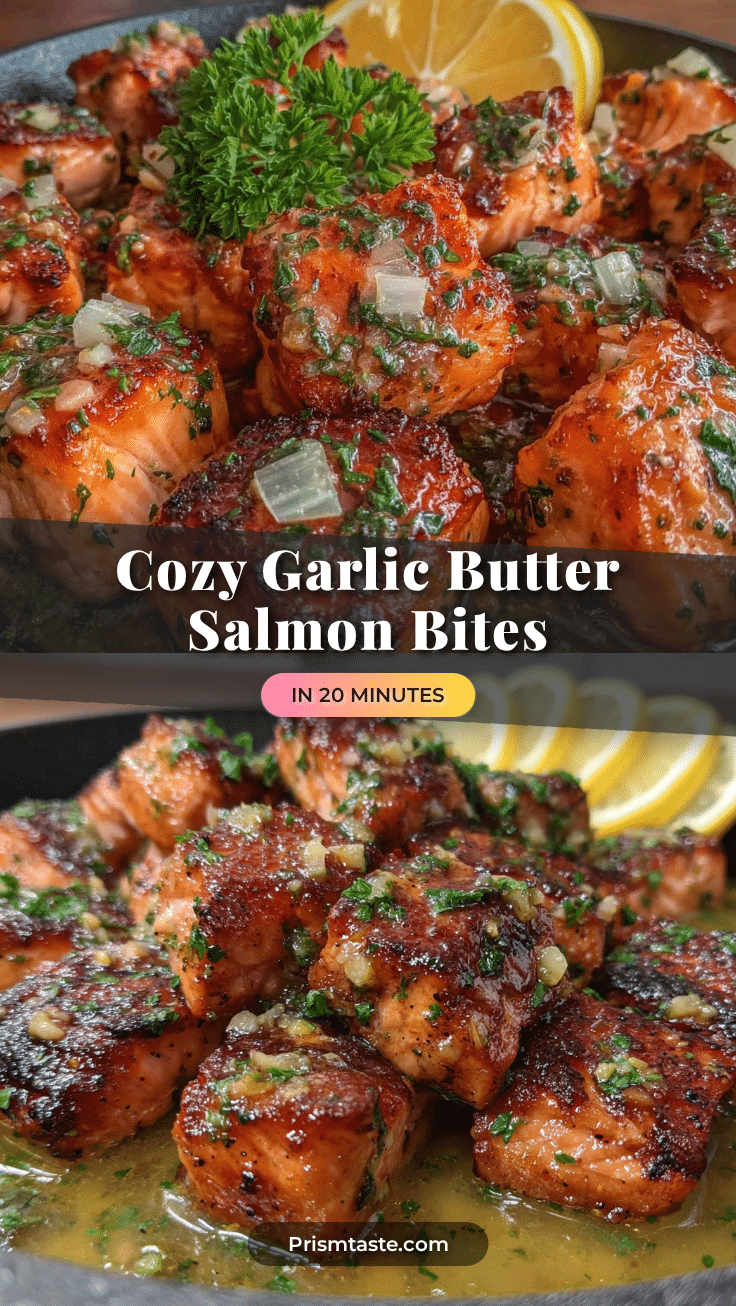
Cozy Garlic Butter Salmon Bites Ready in 20 Minutes

Tender, buttery, garlicky salmon bites that come together in just 20 minutes. Perfect for cozy evenings, this recipe delivers crispy golden edges and a rich garlic butter sauce that will have everyone going back for seconds.
- Prep Time: 5 minutes
- Cook Time: 10 minutes
- Total Time: 15 minutes
- Yield: 4 servings 1x
- Category: Main Course
- Cuisine: American
Ingredients
- 1 ½ pounds salmon fillet, skin removed and cut into 1-inch cubes
- 4 tablespoons unsalted butter, divided
- 5 cloves garlic, minced
- ½ teaspoon salt, or to taste
- ¼ teaspoon black pepper, freshly ground
- ¼ teaspoon smoked paprika (optional)
- 2 tablespoons fresh lemon juice
- 2 tablespoons fresh parsley, chopped
- Cooked rice, quinoa, or crusty bread for serving (optional)
- Lemon wedges for serving (optional)
- Flaky sea salt for serving (optional)
Instructions
- Prep the salmon (5 minutes): Pat the salmon fillet dry with paper towels. Cut into 1-inch cubes. Season all over with salt, pepper, and smoked paprika if using. Toss gently to coat.
- Heat the pan (2 minutes): Place a large cast iron skillet or heavy-bottomed non-stick pan over medium-high heat. Add 2 tablespoons of butter. Let it melt and start to foam, but not brown.
- Sear the salmon bites (4-5 minutes): Carefully place the salmon cubes in the skillet in a single layer. Do not crowd the pan. Cook undisturbed for 2 minutes. Flip each piece and cook for another 2-3 minutes until golden brown and just cooked through.
- Add the garlic (1 minute): Push the salmon to one side of the pan. Add the remaining 2 tablespoons of butter to the empty space. Once melted, add the minced garlic and stir for about 30 seconds until fragrant. Toss the salmon bites in the garlic butter to coat.
- Finish with lemon and parsley (1 minute): Remove the pan from the heat. Squeeze fresh lemon juice over the salmon and sprinkle with chopped parsley. Gently toss. Taste and adjust seasoning if needed.
- Serve immediately: Transfer to a serving platter or plates with rice, quinoa, or crusty bread. Spoon remaining garlic butter over the top. Sprinkle with flaky sea salt and add extra lemon wedges on the side.
Notes
Pat the salmon extremely dry for the best crust. Do not crowd the pan; work in batches if needed. Let the salmon cook undisturbed for 2 minutes before flipping. Add garlic only at the end to prevent burning. Salmon continues cooking after removal from heat; pull it off when just barely cooked through. For dairy-free, substitute butter with vegan butter or olive oil mixed with coconut oil. For Whole30, use ghee instead of butter.
Nutrition
- Serving Size: 1 serving (about 6 o
- Calories: 400
- Sugar: 1
- Sodium: 450
- Fat: 26
- Saturated Fat: 12
- Carbohydrates: 3
- Protein: 35
Keywords: garlic butter salmon bites, quick salmon recipe, easy salmon dinner, 20 minute meal, comfort food salmon, salmon bites, garlic butter sauce