I was supposed to be making teriyaki salmon. You know, the kind with the sticky, sweet-savory glaze that everyone loves? I had the soy sauce out, the ginger ready, the garlic minced. But somewhere between the pantry and the counter, my hand landed on a bottle of dark brown sugar instead of the light stuff. And then—honestly, I don’t even know why—I grabbed the bourbon. Not for a drink, though that thought did cross my mind. I just stood there, holding a bottle of bourbon in one hand and a fillet of salmon in the other, and thought, “Well, this is either going to be a disaster or something weirdly wonderful.”
The oven was already preheating to the wrong temperature because, let’s face it, that’s just how my Tuesday nights go. I had about thirty minutes before my neighbor Karen was supposed to come over for dinner, and I was already running late. The original plan—a perfectly respectable teriyaki glaze—was out the window. In its place was a sticky, dark mixture of brown sugar, bourbon, butter, and a pinch of cayenne that I kind of just threw together in a panic. I brushed it onto the salmon, threw it on the grill, and braced for the worst.
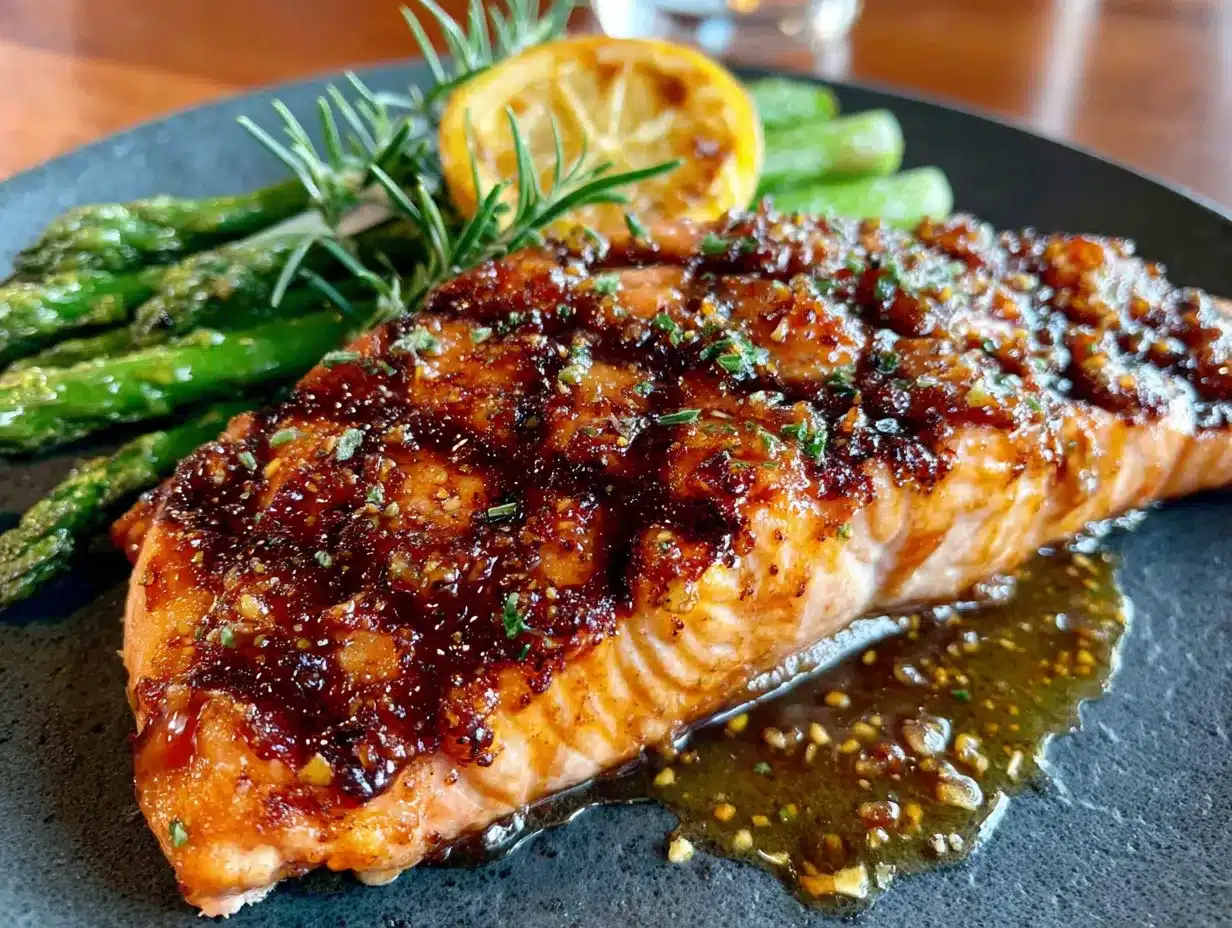
What came off that grill was nothing like the plan. It was better. The glaze caramelized into this deep, almost smoky crust, and the bourbon didn’t just burn off—it left behind this warm, cozy warmth that wrapped around the salmon like a blanket. Karen took one bite and said, “You have to make this again. Exactly like this.” And honestly? I’ve been making it ever since. Maybe you’ve been there—staring at a kitchen counter full of ingredients that don’t quite add up, wondering if you should just order pizza. Stick with me. This happy accident turned into my most-requested recipe, and I think you’re going to love it.
Why You’ll Love This Recipe
This isn’t just another grilled salmon recipe. It’s the one that makes you close your eyes after the first bite. I’ve tested this dozens of times—tweaking the glaze ratio, adjusting the grill time, even trying it in a cast-iron skillet when the weather wouldn’t cooperate. What I landed on is a recipe that delivers every single time without any fuss.
- Quick & Easy: From start to finish, this comes together in about 30 minutes. Perfect for those weeknights when you want something impressive but don’t have hours to spend in the kitchen.
- Simple Ingredients: No fancy grocery store runs needed. Brown sugar, bourbon (the cheap stuff works great!), butter, and a few pantry staples are all it takes.
- Perfect for Cozy Evenings: Whether it’s a chilly fall night, a rainy spring evening, or just one of those days that needs fixing, this salmon delivers comfort in every bite.
- Crowd-Pleaser: I’ve served this to picky kids, skeptical in-laws, and my friend Dave who “doesn’t like fish.” Everyone asks for seconds.
- Unbelievably Delicious: The combination of sweet brown sugar, warm bourbon, and a hint of spice creates a glaze that’s next-level. It’s comfort food reimagined—faster, easier, but with the same soul-soothing satisfaction.
What makes this different from every other salmon recipe out there? It’s the way the bourbon brown sugar glaze transforms on the grill. The sugars caramelize into a sticky, slightly charred crust while the inside stays perfectly tender and flaky. It’s not just another version—it’s the best version. Trust me, I stumbled into it by accident.
What Ingredients You Will Need
This recipe uses simple, wholesome ingredients to deliver bold flavor and satisfying texture without the fuss. Most of these are pantry staples, and the ones that aren’t are easy to find at any grocery store.
For the Glaze
- Dark brown sugar, 1/2 cup (packed) – I prefer dark brown sugar here because it has more molasses, which gives the glaze a deeper, richer flavor. Light brown sugar works in a pinch, but the result won’t be quite as cozy.
- Bourbon, 1/4 cup – Don’t use your expensive sipping bourbon for this. A mid-range or even budget-friendly bourbon works beautifully. I usually grab whatever’s on sale, and it turns out great every time.
- Unsalted butter, 3 tablespoons – Adds richness and helps the glaze stick to the salmon. If you only have salted butter, just reduce the added salt later.
- Soy sauce, 1 tablespoon – Balances the sweetness with a touch of savory umami. Use tamari or coconut aminos for a gluten-free option.
- Dijon mustard, 1 teaspoon – Don’t skip this! It adds a subtle tang that cuts through the richness and helps emulsify the glaze.
- Garlic, 2 cloves (minced) – Fresh garlic is best here. The jarred stuff works, but it won’t have the same punch.
- Cayenne pepper, 1/4 teaspoon – Just enough to warm things up without making it spicy. Leave it out if you’re sensitive to heat.
- Salt and black pepper, to taste
For the Salmon
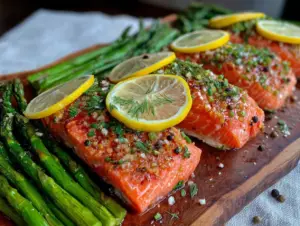
- Salmon fillets, 4 (6 ounces each) – Look for fillets that are roughly the same thickness so they cook evenly. I prefer wild-caught salmon when I can find it, but farm-raised works beautifully here too.
- Olive oil, 1 tablespoon – For brushing the grill grates and lightly coating the salmon.
- Fresh lemon wedges, for serving – A squeeze of bright citrus right before eating makes all the difference.
- Fresh parsley or chives, chopped (optional, for garnish)
Ingredient Selection Tip: When choosing salmon, look for fillets that are bright in color and smell fresh—like the ocean, not fishy. The flesh should be firm to the touch and bounce back when pressed. If the edges look dry or discolored, move on to another piece.
Substitution Guidance: No bourbon on hand? You can substitute apple cider or even strong brewed coffee for a different but still delicious flavor profile. For a non-alcoholic version, use apple juice with a splash of vanilla extract. Just know that the flavor won’t be quite as complex.
Equipment Needed
You don’t need a fancy kitchen to pull this off. Here’s what you’ll need:
- Outdoor grill or grill pan – A gas or charcoal grill works great. If the weather isn’t cooperating, a cast-iron grill pan on the stovetop does the job beautifully. I’ve used both, and honestly, the grill pan version is sometimes easier to control.
- Small saucepan – For making the glaze. Any small pot will do.
- Whisk or wooden spoon – For stirring the glaze as it simmers.
- Basting brush – A silicone brush is ideal because it doesn’t shed bristles onto your food. If you don’t have one, you can use a spoon to drizzle the glaze on.
- Tongs – For flipping the salmon. A good pair of tongs with silicone tips will save you from tearing the delicate fillets.
- Instant-read thermometer – Not strictly necessary, but it takes the guesswork out of cooking salmon. I use mine every time now after one too many overcooked fillets.
- Aluminum foil or a grill mat – Optional, but helpful for preventing the glaze from dripping onto the grill grates and causing flare-ups.
Budget-Friendly Tip: If you don’t have a grill or grill pan, you can absolutely cook this salmon under the broiler. Just line a baking sheet with foil, place the salmon on top, and broil for 6-8 minutes, basting halfway through. The glaze will still caramelize beautifully.
Preparation Method
Let’s get cooking! This comes together quickly, so I recommend having all your ingredients measured and ready before you start. Trust me on this one—I learned the hard way that scrambling for the bourbon while the glaze is bubbling over is not a good look.
- Make the glaze. In a small saucepan over medium heat, combine the dark brown sugar, bourbon, butter, soy sauce, Dijon mustard, minced garlic, and cayenne pepper. Whisk everything together until the butter melts and the sugar dissolves. Bring the mixture to a gentle simmer—you should see small bubbles around the edges—then reduce the heat to low and let it cook for 3-4 minutes. The glaze should thicken slightly and smell absolutely intoxicating. Remove from heat and set aside. (Sensory cue: It should smell warm, sweet, and slightly boozy—like a hug in a saucepan.)
- Prepare the salmon. While the glaze cools slightly, pat your salmon fillets dry with paper towels. This is crucial—wet salmon won’t get that beautiful caramelized crust. Season both sides generously with salt and black pepper. Let the fillets sit at room temperature for about 10 minutes. (Pro tip: Cold salmon straight from the fridge will cook unevenly. Giving it a few minutes to come up in temperature makes a big difference.)
- Preheat your grill. Heat your grill or grill pan to medium-high heat, around 375-400°F. Brush the grates with olive oil to prevent sticking. If you’re using a grill pan, give it a few minutes to get nice and hot before adding the salmon. (Troubleshooting tip: If the glaze drips and causes flare-ups on a gas grill, keep a spray bottle of water nearby to tame the flames.)
- Grill the salmon. Place the salmon fillets on the grill, skin-side down if your fillets have skin. Close the lid and cook for 4-5 minutes without moving them. You want a nice sear to develop. (Sensory cue: You should hear a gentle sizzle. If it’s silent, your grill isn’t hot enough.)
- Baste and flip. Brush a generous layer of the brown sugar bourbon glaze onto the top of each fillet. Carefully flip the salmon using your tongs. Baste the other side with more glaze. Cook for another 3-4 minutes, depending on thickness. (Personal note: I always get a little nervous during the flip—salmon can be fragile. Take your time and use a wide spatula if your tongs aren’t cutting it.)
- Finish with one more glaze layer. Flip the salmon one more time (back to skin-side down) and brush on a final layer of glaze. Cook for 1-2 more minutes. The glaze should be sticky and caramelized, with some darker spots from the sugar. (Sensory cue: The edges should look slightly charred and the glaze should be bubbling gently.)
- Check for doneness. The salmon is done when it flakes easily with a fork and the internal temperature reaches 125°F for medium or 130°F for well-done. I prefer taking it off at 120°F and letting it rest—the residual heat carries it to perfect doneness. (Warning: Overcooked salmon is dry and sad. When in doubt, take it off a minute early. You can always put it back on.)
- Rest and serve. Transfer the salmon to a serving platter and let it rest for 2-3 minutes. This allows the juices to redistribute. Squeeze fresh lemon juice over the top, garnish with chopped parsley or chives if you’re feeling fancy, and serve immediately.
Cooking Tips & Techniques
I’ve made this recipe more times than I can count, and I’ve definitely made my share of mistakes along the way. Here’s what I’ve learned so you don’t have to repeat my failures.
Don’t rush the glaze. The first time I made this, I was in a hurry and didn’t let the glaze simmer long enough. It was thin and runny, and it mostly dripped off the salmon onto the grill. Give it those 3-4 minutes of simmering time—it needs to reduce and thicken so it actually sticks to the fish. You’re looking for a consistency similar to warm maple syrup.
Watch the sugar. Brown sugar burns faster than you think. If your grill is too hot, the glaze will turn bitter and black before the salmon is cooked through. Medium-high heat is your sweet spot. If you see the glaze starting to darken too quickly, move the salmon to a cooler part of the grill or reduce the heat. I learned this one the hard way when I served what looked like charcoal-encrusted salmon to my in-laws. Not my finest moment.
Oil your grill grates well. Salmon is delicate, and the sugary glaze makes it even sticker. A well-oiled grill is your best defense against losing half your fillet to the grates. I use a paper towel folded into a small square, dipped in oil, and held with tongs to brush the grates. Works like a charm.
Multitasking strategy: While the glaze simmers, pat your salmon dry and season it. While the salmon rests at room temperature, preheat your grill. By the time the grill is ready, everything else is ready to go. This recipe moves fast, so having everything prepped beforehand makes the process feel effortless.
For consistent results: Use an instant-read thermometer. I know, I know—it feels fussy. But salmon thickness varies, and the difference between perfectly cooked and overdone is literally two minutes. After one too many dry fillets, I finally bought a thermometer, and I haven’t looked back. It’s the difference between good salmon and salmon that makes people close their eyes and sigh.
Variations & Adaptations
One of the things I love most about this recipe is how adaptable it is. Here are some variations I’ve tried and loved:
Spicy Maple Version
Swap the brown sugar for maple syrup and add an extra 1/2 teaspoon of cayenne. The maple syrup creates a slightly thinner glaze that caramelizes beautifully, and the extra heat gives it a nice kick. I made this version for a game day gathering, and it disappeared in minutes.
Honey Garlic Twist
Replace the brown sugar with honey and add an extra clove of minced garlic. Skip the bourbon and use apple cider vinegar instead for a non-alcoholic version that’s still complex and delicious. This is my go-to when I’m cooking for kids or pregnant friends.
Citrus Herb Version
Add the zest of one orange and one lemon to the glaze, along with a tablespoon of fresh thyme leaves. The citrus brightens up the richness of the salmon, and the herbs add a fresh, aromatic quality. This variation is perfect for spring or summer dinners on the patio.
Oven-Baked Adaptation
No grill? No problem. Preheat your oven to 400°F. Place the salmon on a foil-lined baking sheet, brush with glaze, and bake for 12-15 minutes, basting halfway through. Switch to the broiler for the last 2 minutes to get that caramelized finish. It’s not quite the same as grilled, but it’s still incredibly good.
Air Fryer Method
Preheat your air fryer to 375°F. Place the glazed salmon fillets in the basket in a single layer. Cook for 8-10 minutes, brushing with more glaze halfway through. The air fryer gives you that same caramelized exterior with less mess. I tried this on a rainy Sunday when I didn’t want to brave the cold, and honestly? It might be my new favorite method.
Serving & Storage Suggestions
Serving Temperature: This salmon is best served hot off the grill, when the glaze is still sticky and the inside is tender and flaky. That said, it’s also delicious at room temperature—perfect for picnics or meal prep lunches.
What to Serve With It: I love pairing this salmon with something light and fresh to balance the richness of the glaze. A simple arugula salad with lemon vinaigrette works beautifully. So does roasted asparagus or a bright cucumber and tomato salad. For something more substantial, try it over coconut rice or with a side of garlicky green beans. And honestly? A crusty piece of bread to soak up any extra glaze on the plate is never a bad idea.
Storage Instructions: Leftover salmon keeps in an airtight container in the refrigerator for up to 3 days. The glaze will soften and lose some of its caramelized texture, but the flavor is still fantastic. I wouldn’t recommend freezing this one—the texture of thawed salmon can be a bit mushy, and the glaze doesn’t hold up well.
Reheating Tips: The best way to reheat this salmon is in a skillet over medium heat with a splash of water or broth. Cover the pan and let it steam for 2-3 minutes until warmed through. The microwave works in a pinch, but it tends to dry out the fish and make the glaze gummy. If you have an air fryer, reheat at 300°F for 3-4 minutes—it does a surprisingly good job of reviving the caramelized exterior.
How Flavors Develop: Here’s a little secret—this salmon is actually even better the next day. The flavors meld together overnight, and the bourbon and brown sugar become more pronounced. I often make extra on purpose just so I can have it cold over a salad for lunch the next day. Don’t judge me until you’ve tried it.
Nutritional Information & Benefits
While I’m not a nutritionist, I can tell you that this recipe hits a sweet spot between indulgence and wholesome eating. Salmon is packed with omega-3 fatty acids, which are great for heart health and brain function. It’s also an excellent source of high-quality protein, B vitamins, and selenium.
Here’s an approximate nutritional breakdown per serving (based on 4 servings):
| Nutrient | Amount |
|---|---|
| Calories | 420 |
| Protein | 35g |
| Fat | 18g |
| Saturated Fat | 7g |
| Carbohydrates | 28g |
| Sugar | 26g |
| Sodium | 520mg |
| Omega-3 Fatty Acids | 2.5g |
Dietary Considerations: This recipe is naturally gluten-free if you use tamari instead of soy sauce. It’s also suitable for dairy-free diets if you substitute the butter with a plant-based alternative (I’ve used both coconut oil and vegan butter with good results). The bourbon cooks off during the grilling process, but if you’re strictly avoiding alcohol, stick with the non-alcoholic variations I mentioned earlier.
Potential Allergens: Fish, dairy (butter), and soy (soy sauce).
From a wellness perspective, I love that this recipe makes salmon feel like a treat rather than a chore. It’s proof that eating well doesn’t have to mean sacrificing flavor or comfort. Sometimes the most nourishing meals are the ones that feel like a hug on a plate.
Conclusion
This brown sugar bourbon glazed salmon started as a kitchen mistake—a moment of distraction that turned into something I now make on purpose, again and again. It’s the recipe I turn to when I want to feel like I’ve got my act together, even on days when I clearly don’t. It’s the dish I make for friends who need a little comfort, for family dinners when I want to impress without stress, and for myself on quiet nights when I need something warm and good.
I hope you give this recipe a try, and I hope you make it your own. Maybe you’ll add a little more cayenne, or swap the bourbon for whiskey, or serve it over a bed of creamy polenta instead of rice. That’s the beauty of a good recipe—it’s a starting point, not a rulebook.
If you make this cozy brown sugar bourbon glazed salmon, I’d love to hear about it. Leave a comment below and tell me how it turned out, what you served it with, or what happy accident led you to your own kitchen discovery. And if you loved it, share it with someone who needs a little comfort tonight. Happy cooking, friends!
Frequently Asked Questions
Can I use a different type of fish for this recipe?
Absolutely! This glaze works beautifully with other firm fish like trout, arctic char, or even thick white fish like halibut or cod. Just adjust the cooking time based on the thickness of your fillets. Thinner fish will cook faster, so keep an eye on it.
Is the bourbon flavor strong in the finished dish?
Not at all. The alcohol cooks off during the simmering and grilling process, leaving behind a warm, subtle sweetness without any boozy bite. If you’re still concerned, you can simmer the glaze for an extra minute or two to cook off more of the alcohol.
Can I make the glaze ahead of time?
Yes! The glaze can be made up to a week in advance and stored in an airtight container in the refrigerator. Let it come to room temperature before using, or gently warm it on the stovetop to loosen it up. I often double the batch and keep half in the fridge for quick weeknight dinners.
What if I don’t have a grill or grill pan?
No worries at all. You can cook this salmon under the broiler, in a cast-iron skillet on the stovetop, or even in the oven. The key is to get that caramelization on the glaze, so whatever method gives you high, direct heat will work. The broiler method is probably the closest to grilling.
How do I know when the salmon is perfectly cooked?
The most reliable method is using an instant-read thermometer. For medium-cooked salmon (my personal preference), aim for 120-125°F at the thickest part. The salmon should also flake easily with a fork and look opaque throughout. If it’s still translucent in the center, it needs more time. Remember, salmon continues to cook slightly after you take it off the heat, so pull it off just before it reaches your desired doneness.
Pin This Recipe!
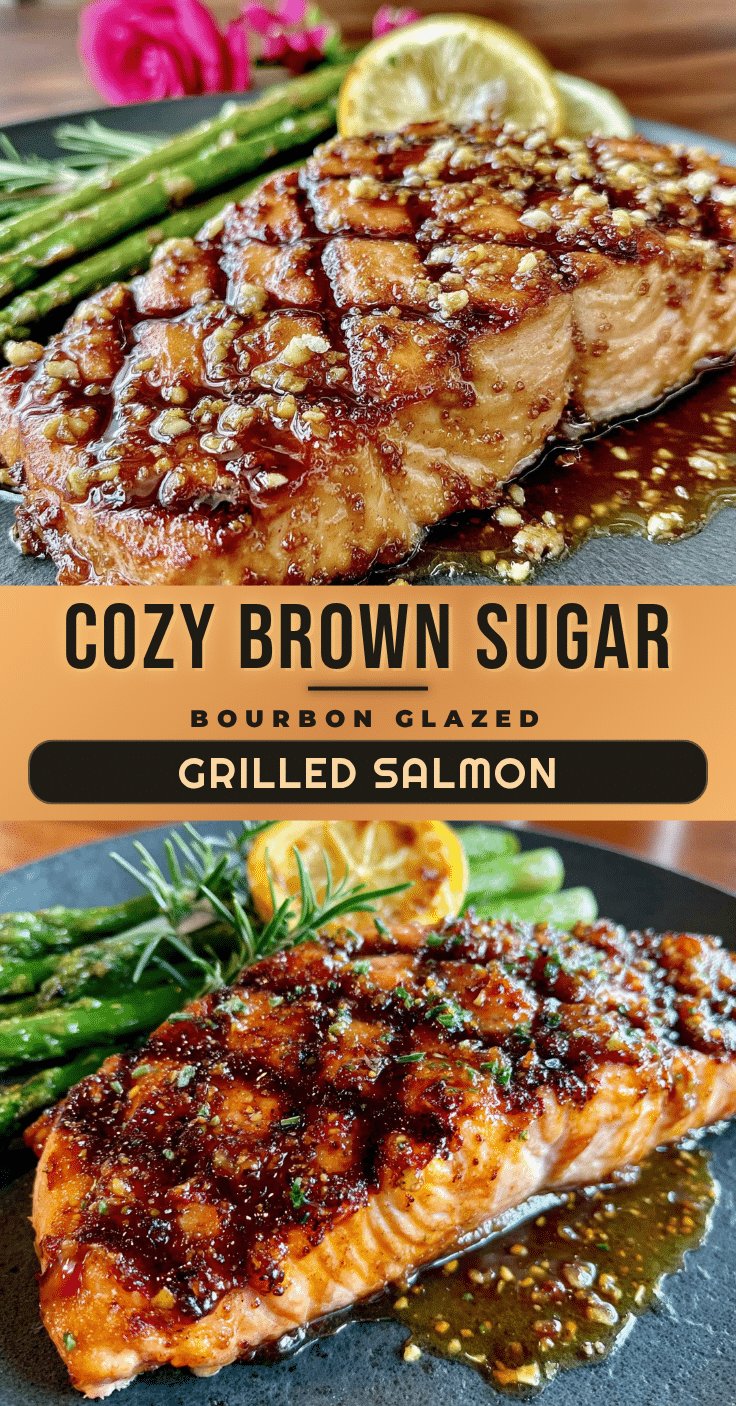
Cozy Brown Sugar Bourbon Glazed Salmon: Easy 30-Min Recipe
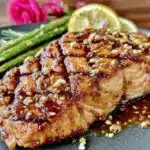
A happy accident turned into the most-requested recipe: salmon fillets glazed with a sticky, sweet-savory mixture of brown sugar, bourbon, and butter, grilled to perfection in just 30 minutes. It’s comfort food reimagined—faster, easier, but with the same soul-soothing satisfaction.
- Prep Time: 10 minutes
- Cook Time: 20 minutes
- Total Time: 30 minutes
- Yield: 4 servings 1x
- Category: Main Course
- Cuisine: American
Ingredients
- 1/2 cup dark brown sugar, packed
- 1/4 cup bourbon
- 3 tablespoons unsalted butter
- 1 tablespoon soy sauce
- 1 teaspoon Dijon mustard
- 2 cloves garlic, minced
- 1/4 teaspoon cayenne pepper
- Salt and black pepper to taste
- 4 salmon fillets (6 ounces each)
- 1 tablespoon olive oil
- Fresh lemon wedges for serving
- Fresh parsley or chives, chopped (optional for garnish)
Instructions
- Make the glaze: In a small saucepan over medium heat, combine dark brown sugar, bourbon, butter, soy sauce, Dijon mustard, minced garlic, and cayenne pepper. Whisk until butter melts and sugar dissolves. Bring to a gentle simmer, then reduce heat to low and cook for 3-4 minutes until slightly thickened. Remove from heat and set aside.
- Prepare the salmon: Pat salmon fillets dry with paper towels. Season both sides generously with salt and black pepper. Let sit at room temperature for about 10 minutes.
- Preheat grill or grill pan to medium-high heat (375-400°F). Brush grates with olive oil to prevent sticking.
- Place salmon fillets on the grill, skin-side down. Close lid and cook for 4-5 minutes without moving.
- Brush a generous layer of glaze onto the top of each fillet. Carefully flip salmon using tongs. Baste the other side with more glaze. Cook for another 3-4 minutes.
- Flip salmon one more time (back to skin-side down) and brush on a final layer of glaze. Cook for 1-2 more minutes until glaze is sticky and caramelized.
- Check for doneness: Salmon is done when it flakes easily with a fork and internal temperature reaches 125°F for medium or 130°F for well-done. For best results, remove at 120°F and let rest.
- Transfer salmon to a serving platter and let rest for 2-3 minutes. Squeeze fresh lemon juice over the top, garnish with parsley or chives if desired, and serve immediately.
Notes
Don’t rush the glaze—let it simmer 3-4 minutes to thicken. Watch the sugar; brown sugar burns quickly if heat is too high. Oil grill grates well to prevent sticking. Use an instant-read thermometer for consistent results. Leftover salmon keeps in the refrigerator for up to 3 days. Reheat in a skillet with a splash of water or broth, or in an air fryer at 300°F for 3-4 minutes.
Nutrition
- Serving Size: 1 salmon fillet
- Calories: 420
- Sugar: 26
- Sodium: 520
- Fat: 18
- Saturated Fat: 7
- Carbohydrates: 28
- Protein: 35
Keywords: brown sugar bourbon glazed salmon, grilled salmon, easy salmon recipe, 30-minute meal, weeknight dinner, comfort food, gluten-free option