Late October dusk, and the only thing I wanted was a pot of something golden. The butternut squash had been sitting on my counter for a week, a knobby, beige thing I kept walking past and ignoring. I had a block of sharp cheddar, a bundle of sage from the farmer’s market that was starting to wilt, and a box of cavatappi I’d bought on a whim. It was one of those afternoons where the light goes soft and grey around 4 PM, and the kitchen felt like the only warm room in the house.
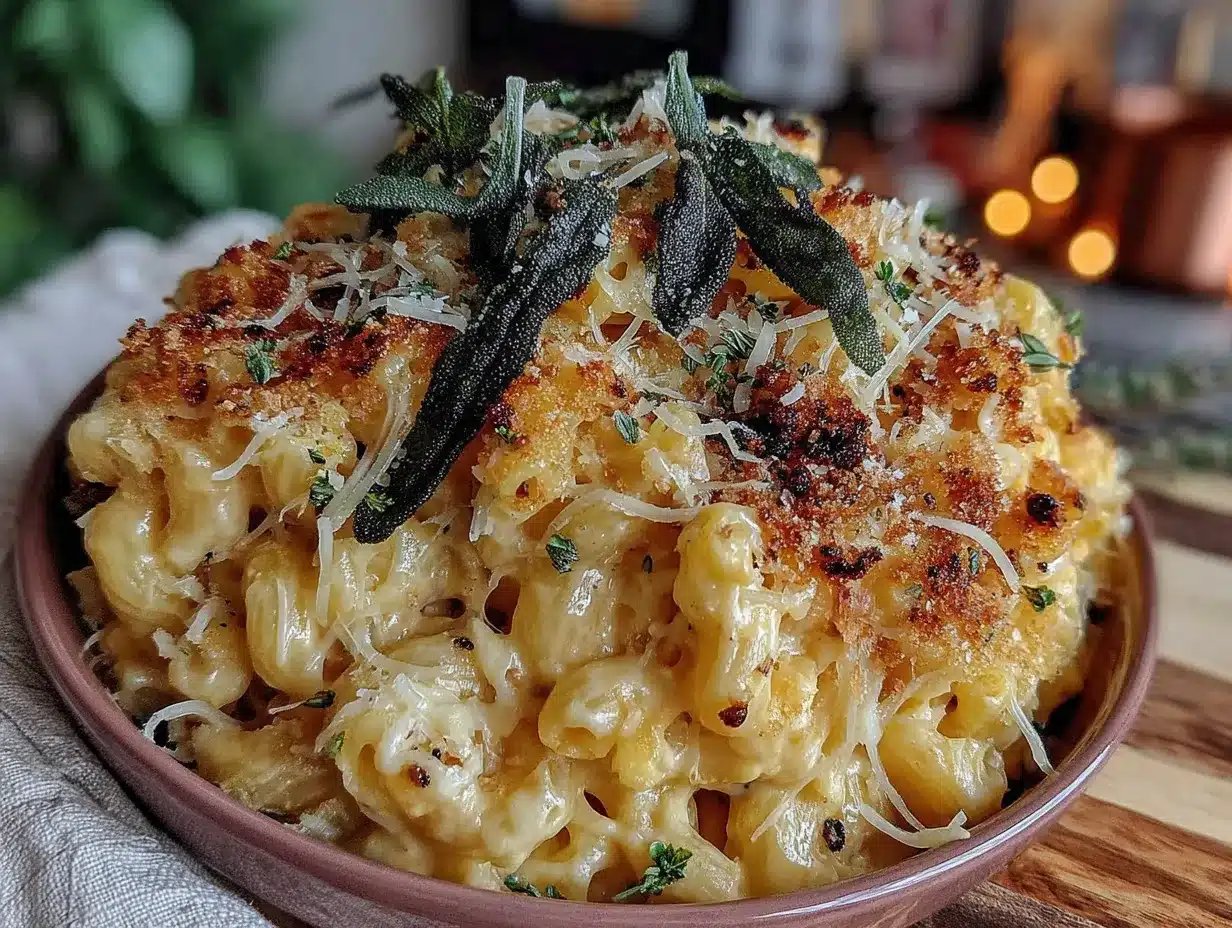
I wasn’t trying to be clever. I just wanted mac and cheese, but the kind that feels like a hug you didn’t know you needed. So I roasted the squash until it was tender and sweet, blended it into the cheese sauce, and fried the sage leaves in a little butter until they crackled like autumn leaves underfoot. The first bite was quiet. Not a dramatic moment, just a small, personal victory. The squash made the sauce silky without making it taste like a health food, and the sage added this earthy, almost woodsy crunch that cut through all that creaminess.
That night, I ate it straight from the pot, standing at the counter. And I knew this one was going to stick.
This creamy butternut squash mac and cheese with crispy sage is the kind of recipe you make when you want comfort without the heavy feeling afterward. It’s rich, but not cloying. It’s cozy, but it has a little personality. Trust me on this one.
Why You’ll Love This Recipe
I’ve tested a lot of mac and cheese recipes over the years, and this one stands out because it actually delivers on flavor without a laundry list of complicated steps. The butternut squash isn’t just a trendy add-in—it genuinely makes the sauce velvety and adds a natural sweetness that balances the sharp cheddar.
- Quick & Easy: From start to finish, this comes together in about 45 minutes. Most of that is hands-off roasting time.
- Simple Ingredients: You probably have most of this in your kitchen right now. No weird specialty cheeses or hard-to-find spices.
- Perfect for Fall: This is the ultimate cozy dinner for crisp evenings, Thanksgiving side dishes, or Sunday suppers. It also pairs beautifully with a side of slow cooker fall harvest vegetable soup for an extra comforting meal.
- Crowd-Pleaser: I’ve served this to kids, picky eaters, and full-on food snobs. Everyone goes back for seconds. No one guesses there’s a vegetable in the sauce.
- Unbelievably Delicious: The texture is the real star here. It’s creamy without being gluey, and the crispy sage on top is honestly the best part.
What makes this recipe different is the technique. Instead of just mashing squash into the cheese sauce, I roast it first to concentrate the flavor and then blend it until completely smooth. This gives you a sauce that’s rich and cohesive, not watery or grainy. It’s comfort food reimagined—healthier, faster, but with the same soul-soothing satisfaction. Perfect for impressing guests without stress, or turning a simple Tuesday night into something memorable.
What Ingredients You Will Need
This recipe uses simple, wholesome ingredients to deliver bold flavor and satisfying texture without the fuss. Most of these are pantry staples or easy to find at any grocery store.
- Butternut Squash: 2 cups, peeled and cubed (about 1 medium squash). Look for one that feels heavy for its size with firm, unblemished skin. I prefer to buy pre-cut cubes when I’m in a hurry, but roasting from whole squash gives the best flavor.
- Elbow Macaroni or Cavatappi: 8 ounces (about 2 cups dry). Cavatappi is my go-to because the ridges hold onto the sauce beautifully, but any small pasta shape works.
- Sharp Cheddar Cheese: 1 ½ cups, freshly grated. Please, for the love of all things cheesy, grate it yourself. Pre-shredded cheese has anti-caking agents that prevent it from melting smoothly. I recommend a good aged cheddar from a block—it makes a difference.
- Gruyère or Fontina: ½ cup, freshly grated. This adds a nutty, melty quality that cheddar alone can’t achieve. If you can’t find it, just use all cheddar.
- Unsalted Butter: 3 tablespoons, divided. Two for the roux, one for the crispy sage.
- All-Purpose Flour: 2 tablespoons. This thickens the sauce.
- Whole Milk: 1 ½ cups. Don’t use skim here—the fat is what makes the sauce creamy. You can substitute 2% in a pinch, but whole milk is best.
- Heavy Cream: ½ cup. For extra richness. Half-and-half works as a lighter substitute.
- Fresh Sage Leaves: 10-12 leaves. This is non-negotiable for the topping. Dried sage just won’t give you the same crispy, aromatic crunch.
- Garlic: 2 cloves, minced. Adds depth without overpowering.
- Dijon Mustard: 1 teaspoon. A secret ingredient that brightens the whole dish.
- Salt and Black Pepper: To taste.
- Nutmeg: ¼ teaspoon, freshly grated if possible. It sounds fancy, but it’s the bridge between the squash and the cheese.
- Panko Breadcrumbs (optional): ¼ cup, for a crunchy topping if you want to bake it.
Equipment Needed
You don’t need a professional kitchen to make this. Here’s what you’ll need:
- Large Pot: For boiling pasta. A 5-quart pot is ideal.
- Medium Saucepan: For making the cheese sauce.
- Baking Sheet: For roasting the squash. A rimmed sheet works best.
- Blender or Immersion Blender: To puree the roasted squash into a smooth sauce. I’ve used both, and honestly, an immersion blender is easier to clean, but a regular blender gives a silkier texture.
- Cheese Grater: Please don’t skip this. A box grater is fine.
- Wooden Spoon or Silicone Spatula: For stirring the roux without scratching your pan.
- Small Skillet: For frying the sage leaves.
- 9×13 Baking Dish (optional): If you want to bake it with a panko topping.
I’ve made this with a cheap blender from college and a fancy Vitamix. Both work. Just make sure whatever you use can handle hot liquids without exploding—learn from my mistakes.
Preparation Method
Let’s get cooking. This comes together in a few simple stages, and I’ll walk you through each one.
Step 1: Roast the Squash
Preheat your oven to 400°F (200°C). Toss the cubed butternut squash with 1 tablespoon of olive oil, a pinch of salt, and a crack of black pepper. Spread it in a single layer on a baking sheet. Roast for 25-30 minutes, flipping halfway, until the squash is tender and the edges are just starting to caramelize. You want it soft enough that a fork slides through easily. Let it cool slightly.
Step 2: Cook the Pasta
While the squash roasts, bring a large pot of salted water to a boil. Cook the pasta according to package directions until al dente—usually about 8-9 minutes. Undercook it by about 1 minute because it will continue cooking in the sauce later. Drain and set aside. Don’t rinse the pasta; you want that starch to help the sauce stick.
Step 3: Make the Squash Puree
Transfer the roasted squash to a blender. Add ½ cup of the milk and blend until completely smooth. You might need to scrape down the sides once or twice. The mixture should be thick and velvety, like a thick soup. Set aside.
Step 4: Make the Cheese Sauce
In a medium saucepan, melt 2 tablespoons of butter over medium heat. Add the minced garlic and cook for about 30 seconds until fragrant. Whisk in the flour and cook for 1-2 minutes, stirring constantly. This is your roux. It should smell toasty, not raw. Slowly pour in the remaining 1 cup of milk and the heavy cream, whisking constantly to prevent lumps. Cook for 3-4 minutes until the sauce thickens enough to coat the back of a spoon.
Reduce the heat to low. Add the squash puree, Dijon mustard, nutmeg, and a generous pinch of salt and pepper. Stir until combined. Now, gradually add the grated cheddar and gruyère, a handful at a time, stirring until each addition melts before adding the next. The sauce should be smooth and golden. Taste it and adjust seasoning—you might want a little more salt or a crack more pepper.
Step 5: Combine Pasta and Sauce
Pour the drained pasta into the pot with the cheese sauce. Stir gently until every piece is coated. If the sauce seems too thick, add a splash of the reserved pasta water to loosen it up. This is where the magic happens.
Step 6: Make the Crispy Sage
In a small skillet, melt the remaining 1 tablespoon of butter over medium heat. Add the sage leaves in a single layer. Cook for 30-60 seconds per side until they turn dark green and crispy. They will shrink and curl slightly. Transfer to a paper towel to drain. Don’t walk away—these burn fast.
Step 7: Assemble and Serve
Spoon the mac and cheese into serving bowls. Top with the crispy sage leaves and, if you’re feeling extra, a sprinkle of flaky sea salt. Serve immediately while it’s hot and gooey.
If you want a baked version, transfer the mac and cheese to a greased 9×13 dish, top with panko breadcrumbs mixed with a little melted butter, and bake at 375°F (190°C) for 15-20 minutes until bubbly and golden. Then add the crispy sage after baking.
Cooking Tips & Techniques
I’ve made this recipe about a dozen times, and I’ve definitely learned a few things the hard way. Here are my best tips:
- Don’t skip roasting the squash. I tried boiling it once to save time, and the sauce came out watery and bland. Roasting concentrates the natural sugars and gives you that deep, caramelized flavor.
- Grate your own cheese. I know it’s tempting to buy the bagged stuff, but it really won’t melt into a smooth sauce. Pre-shredded cheese contains cellulose and starches that make it clump. Spend the two extra minutes grating—you’ll thank me.
- Low and slow for the sauce. When you add the cheese, keep the heat on low. High heat will cause the cheese to seize up and turn grainy. Patience is key here.
- Save some pasta water. The starchy water is liquid gold for thinning out a sauce that’s too thick. Add it a tablespoon at a time until you reach the perfect consistency.
- Watch the sage like a hawk. It goes from perfectly crispy to burnt in about 10 seconds. As soon as the leaves stop sizzling, get them out of the pan.
- Season in layers. Add salt at every stage—when roasting the squash, when boiling the pasta, and when making the sauce. This builds depth of flavor.
One time, I forgot to add the Dijon mustard, and the sauce tasted flat. That little spoonful really does make a difference. Don’t skip it.
Variations & Adaptations
This recipe is super flexible. Here are a few ways to make it your own:
- Gluten-Free: Use gluten-free pasta and substitute the all-purpose flour with a 1:1 gluten-free flour blend or cornstarch. The sauce might be slightly thinner, but it still works.
- Vegan: Use dairy-free butter, unsweetened oat milk or cashew milk, vegan cheddar shreds, and nutritional yeast for that cheesy flavor. The texture won’t be exactly the same, but it’s still delicious.
- Add Protein: Stir in cooked bacon bits, shredded rotisserie chicken, or crumbled Italian sausage. I’ve done all three, and the bacon version is my personal favorite.
- Spice It Up: Add a pinch of cayenne pepper or red pepper flakes to the sauce for a little heat. The warmth plays nicely with the sweet squash.
- Different Herbs: If you can’t find fresh sage, try crispy fried rosemary or thyme. Or just skip the herb topping and sprinkle with toasted walnuts for crunch.
- Make It a Meal: Serve it alongside creamy roasted tomato fall soup for a double-dose of comfort, or pair it with a simple green salad dressed with lemon vinaigrette.
Serving & Storage Suggestions
This mac and cheese is best served immediately, straight from the pot, while the sauce is still molten and the sage is crackly. But leftovers are a beautiful thing, too.
Serving: Spoon into warm bowls and top with the crispy sage just before serving. A sprinkle of flaky sea salt and a crack of black pepper finish it off nicely. It pairs beautifully with a simple side salad or roasted vegetables. For a full fall spread, serve it alongside apple cider donut bread with cinnamon sugar for dessert.
Storage: Store leftovers in an airtight container in the refrigerator for up to 4 days. The sauce will thicken as it sits, but that’s okay.
Reheating: The best way to reheat is on the stovetop over low heat with a splash of milk or cream to loosen it up. Stir frequently until heated through. You can also microwave individual portions in 30-second bursts, stirring between each. The texture won’t be quite as silky as fresh, but it’s still good.
Freezing: This recipe freezes surprisingly well. Let it cool completely, then transfer to a freezer-safe container. Freeze for up to 3 months. Thaw overnight in the fridge and reheat on the stovetop. The crispy sage won’t survive freezing, so make a fresh batch when you serve it.
The flavors actually develop overnight. I’ve found that day-old mac and cheese tastes even better, especially if you let it sit in the fridge and then reheat it gently.
Nutritional Information & Benefits
Here’s an approximate breakdown per serving (based on 6 servings):
- Calories: 480
- Protein: 18g
- Fat: 24g
- Carbohydrates: 48g
- Fiber: 4g
- Sugar: 8g
This recipe packs a surprising nutritional punch. Butternut squash is loaded with vitamin A, vitamin C, and fiber, which supports eye health and immunity. The cheese provides calcium and protein, while the sage has anti-inflammatory properties. It’s not exactly health food, but it’s a more nutrient-dense version of classic mac and cheese.
If you’re watching your carbs, you can swap the pasta for chickpea or lentil pasta for extra protein and fiber. For a lower-fat option, use reduced-fat cheese and swap the heavy cream for extra milk. I’ve made it both ways, and honestly, the full-fat version is worth the indulgence once in a while.
Conclusion
This creamy butternut squash mac and cheese with crispy sage is the kind of recipe that feels special without being fussy. It’s perfect for a quiet weeknight dinner, a holiday side dish, or just because you want something warm and golden on a chilly evening. The roasted squash makes the sauce velvety and sweet, the cheese brings the comfort, and the crispy sage adds that little something extra that makes people ask, “What’s in this?”
I love that this recipe lets you have your comfort food and eat it too—no guilt, no heavy feeling, just pure satisfaction. It’s one of those dishes that proves you don’t need a million ingredients or complicated techniques to make something truly memorable.
If you make this, please come back and let me know how it turned out. Did you add bacon? Swap the cheese? Skip the sage and go rogue? I’d love to hear about your version. Leave a comment below or tag me in your photos—I always love seeing what you create in your own kitchens. Happy cooking, friend.
Frequently Asked Questions
Can I use frozen butternut squash?
Yes, you can use frozen cubed butternut squash to save time. Just thaw it first, pat it dry with paper towels to remove excess moisture, and roast it a little longer—about 35-40 minutes—until it’s tender and caramelized. Frozen squash tends to release more water, so the sauce might be slightly thinner, but it still works well.
How do I make this recipe dairy-free?
To make this dairy-free, use vegan butter, unsweetened oat milk or cashew milk for the sauce, and your favorite vegan cheddar shreds. Nutritional yeast adds a cheesy flavor if you want extra depth. The sauce won’t be as rich or stretchy, but it’s still creamy and delicious. Just avoid coconut milk—it has a distinct flavor that clashes with the squash.
Why is my cheese sauce grainy?
A grainy cheese sauce usually happens for one of two reasons: the heat was too high when you added the cheese, or you used pre-shredded cheese. Always add cheese over low heat and stir until just melted. If you’re using block cheese that you grated yourself, this problem is much less likely. If it does happen, you can try whisking in a tablespoon of cold milk or cream to smooth it out.
Can I make this ahead of time?
Absolutely. You can assemble the mac and cheese completely (without the crispy sage) up to 2 days in advance. Store it covered in the fridge. When you’re ready to serve, bake it at 375°F (190°C) for 20-25 minutes until hot and bubbly. Make the crispy sage fresh just before serving. If the sauce seems dry after refrigeration, stir in a splash of milk before baking.
What can I use instead of fresh sage?
If you can’t find fresh sage, you have options. Fresh rosemary or thyme both work beautifully and crisp up in the same way. For a different texture, try topping the mac and cheese with toasted pine nuts, chopped walnuts, or crispy fried shallots. Or just skip the herb topping altogether—the mac and cheese is still fantastic on its own.
Pin This Recipe!

Creamy Butternut Squash Mac and Cheese with Crispy Sage

This creamy butternut squash mac and cheese with crispy sage is the kind of recipe you make when you want comfort without the heavy feeling afterward. It’s rich, but not cloying, and the roasted squash makes the sauce velvety and sweet.
- Prep Time: 15 minutes
- Cook Time: 30 minutes
- Total Time: 45 minutes
- Yield: 6 servings 1x
- Category: Main Course
- Cuisine: American
Ingredients
- 2 cups butternut squash, peeled and cubed (about 1 medium squash)
- 8 ounces elbow macaroni or cavatappi (about 2 cups dry)
- 1 ½ cups sharp cheddar cheese, freshly grated
- ½ cup Gruyère or Fontina cheese, freshly grated
- 3 tablespoons unsalted butter, divided
- 2 tablespoons all-purpose flour
- 1 ½ cups whole milk
- ½ cup heavy cream
- 10–12 fresh sage leaves
- 2 cloves garlic, minced
- 1 teaspoon Dijon mustard
- Salt and black pepper to taste
- ¼ teaspoon nutmeg, freshly grated if possible
- ¼ cup panko breadcrumbs (optional, for baked version)
- 1 tablespoon olive oil (for roasting squash)
Instructions
- Preheat oven to 400°F (200°C). Toss cubed butternut squash with 1 tablespoon olive oil, a pinch of salt, and black pepper. Spread in a single layer on a baking sheet. Roast for 25-30 minutes, flipping halfway, until tender and edges are caramelized. Let cool slightly.
- While squash roasts, bring a large pot of salted water to a boil. Cook pasta according to package directions until al dente (about 8-9 minutes), undercooking by 1 minute. Drain and set aside. Do not rinse.
- Transfer roasted squash to a blender. Add ½ cup of the milk and blend until completely smooth. Set aside.
- In a medium saucepan, melt 2 tablespoons butter over medium heat. Add minced garlic and cook for 30 seconds until fragrant. Whisk in flour and cook for 1-2 minutes, stirring constantly. Slowly pour in remaining 1 cup milk and heavy cream, whisking constantly. Cook for 3-4 minutes until sauce thickens enough to coat the back of a spoon.
- Reduce heat to low. Add squash puree, Dijon mustard, nutmeg, and a generous pinch of salt and pepper. Stir until combined. Gradually add grated cheddar and Gruyère, a handful at a time, stirring until each addition melts before adding the next. Taste and adjust seasoning.
- Pour drained pasta into the pot with cheese sauce. Stir gently until every piece is coated. If sauce seems too thick, add a splash of reserved pasta water to loosen it up.
- In a small skillet, melt remaining 1 tablespoon butter over medium heat. Add sage leaves in a single layer. Cook for 30-60 seconds per side until dark green and crispy. Transfer to a paper towel to drain.
- Spoon mac and cheese into serving bowls. Top with crispy sage leaves and a sprinkle of flaky sea salt if desired. Serve immediately.
- For a baked version: Transfer mac and cheese to a greased 9×13 dish, top with panko breadcrumbs mixed with a little melted butter, and bake at 375°F (190°C) for 15-20 minutes until bubbly and golden. Add crispy sage after baking.
Notes
Don’t skip roasting the squash—it concentrates the flavor. Always grate your own cheese for a smooth sauce. Keep heat low when adding cheese to prevent graininess. Save pasta water to thin the sauce if needed. Watch sage carefully as it burns quickly. Season in layers for best flavor. The Dijon mustard is essential—don’t skip it.
Nutrition
- Serving Size: 1 serving (about 1.5
- Calories: 480
- Sugar: 8
- Sodium: 520
- Fat: 24
- Saturated Fat: 14
- Carbohydrates: 48
- Fiber: 4
- Protein: 18
Keywords: butternut squash mac and cheese, creamy mac and cheese, fall comfort food, crispy sage, vegetarian mac and cheese, easy mac and cheese recipe